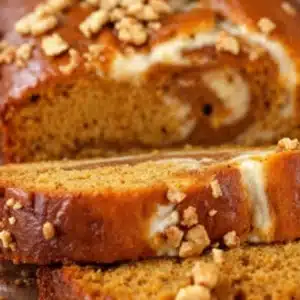
My husband took a bite of the first batch I made, chewed slowly, and then just looked at me. Not the “this is good” nod, but the kind of look where you’re waiting for the other shoe to drop. “Are you sure these are healthy?” he asked. That’s the moment I knew I had actually done it. I had been on a quiet mission for weeks, blending Greek yogurt into everything I could, trying to get a protein-packed breakfast that didn’t taste like a compromise. These Healthy Pumpkin Protein Muffins with Greek Yogurt were my third attempt, and honestly, the first two went straight into the trash. They were either too dense, too dry, or just weirdly sweet in a way that felt fake. But this one—this one made him question if I was lying about the ingredients.
The trick, I found, was not trying to hide the Greek yogurt but letting it do its job. It adds moisture without making the muffin wet, and it gives the crumb that tender, almost velvety texture you usually only get from a stick of butter. When you combine that with the earthy sweetness of pumpkin and a touch of warm spice, you get a muffin that feels like a treat. I remember pulling them out of the oven, the whole kitchen smelling like autumn, and thinking, “If I can get this texture without any oil, I’m never going back.” That first bite confirmed it. The edges were slightly crisp, the center was soft, and there was no weird aftertaste. It was just a really good pumpkin muffin that happened to have a serious protein punch.
Why You’ll Love This Recipe
I’ve tested this recipe more times than I care to admit, and each batch taught me something new. The first time, I used nonfat Greek yogurt and the muffins were a little tough. The second time, I swapped in a different protein powder, and they turned out rubbery. But by the third round, I had cracked the code. This version uses full-fat or 2% Greek yogurt for moisture, a high-quality vanilla protein powder that blends seamlessly, and just the right amount of pumpkin puree to keep everything tender. It is the kind of recipe that makes you feel like you’ve outsmarted the system—you get a bakery-style muffin that actually keeps you full until lunch.
- Quick & Easy: From mixing bowl to oven in under 10 minutes. The batter comes together in one bowl, no mixer required.
- Simple Ingredients: You probably already have pumpkin puree, Greek yogurt, eggs, and flour in your kitchen. No weird health-food store finds needed.
- Perfect for Meal Prep: These muffins freeze beautifully and reheat in 20 seconds. Grab one on your way out the door for a satisfying breakfast or post-workout snack.
- Crowd-Pleaser: I’ve served these to kids, picky eaters, and gym friends, and nobody has guessed they’re protein-packed. They just ask for the recipe.
- Unbelievably Delicious: The combination of pumpkin, cinnamon, and a hint of maple syrup creates a flavor that is comforting without being heavy. The Greek yogurt keeps the crumb moist and tender.
What really sets this recipe apart is the texture. Most protein muffins I’ve tried are either dry and crumbly or dense and gummy. This one hits that sweet spot—light enough to feel like a treat but sturdy enough to hold together. The Greek yogurt is the secret weapon here. It adds a subtle tang that complements the pumpkin, and the protein powder disappears into the batter without leaving any chalky residue. If you’ve ever been disappointed by a “healthy” muffin, this is the recipe that will change your mind.
What Ingredients You Will Need
This recipe relies on a short list of pantry staples and a few key ingredients that do all the heavy lifting. Each one plays a specific role in creating that perfect texture and flavor.
- Pumpkin Puree (1 cup, 245g): Use 100% pure pumpkin puree, not pumpkin pie filling. The pie filling has added sugar and spices that will throw off the balance. I prefer Libby’s brand for its consistent thickness and smooth texture. If you have fresh pumpkin, roast and puree it, but make sure to drain any excess liquid.
- Greek Yogurt (1/2 cup, 120g): Full-fat or 2% Greek yogurt works best here. The fat content adds moisture and richness without making the muffins heavy. I use Fage 5% for its thick, creamy texture. Do not use nonfat Greek yogurt—it will make the muffins dry and tough. If you are dairy-free, a thick coconut yogurt will work, but the texture will be slightly different.
- Vanilla Protein Powder (1 scoop, about 30g): Choose a high-quality whey or plant-based protein powder. I recommend a vanilla flavor that is sweetened with stevia or monk fruit. Avoid protein powders with artificial aftertastes. My go-to is Orgain Simple Vanilla Protein Powder—it blends smoothly and doesn’t clump. If you use an unflavored protein powder, add an extra tablespoon of maple syrup or honey.
- Almond Flour (1 cup, 112g): Almond flour adds moisture and a tender crumb. It also keeps the muffins gluten-free if you use certified gluten-free oat flour. Do not use almond meal, which is coarser and will make the muffins gritty. I recommend Bob’s Red Mill Super-Fine Almond Flour.
- Oat Flour (1/2 cup, 60g): You can buy oat flour or make your own by blending rolled oats in a food processor until fine. Oat flour adds structure and a slight sweetness. If you are gluten-free, use certified gluten-free oats.
- Eggs (2 large, room temperature): Eggs provide structure and help the muffins rise. Room temperature eggs incorporate more easily into the batter. If you forget to take them out of the fridge, place them in a bowl of warm water for 5 minutes.
- Maple Syrup (1/4 cup, 60ml): Pure maple syrup adds natural sweetness without refined sugar. It also helps keep the muffins moist. You can substitute honey or agave nectar if needed.
- Coconut Oil (2 tablespoons, 30ml, melted): A small amount of healthy fat adds moisture and helps the muffins stay tender. You can substitute melted butter or avocado oil.
- Pumpkin Pie Spice (2 teaspoons): You can use store-bought or make your own blend with cinnamon, nutmeg, ginger, and cloves. I make my own with 1 teaspoon cinnamon, 1/2 teaspoon nutmeg, 1/4 teaspoon ginger, and 1/4 teaspoon cloves.
- Baking Soda (1 teaspoon): This helps the muffins rise and creates a light texture. Make sure your baking soda is fresh—test it by dropping a pinch into vinegar; it should fizz immediately.
- Salt (1/4 teaspoon): A pinch of salt balances the sweetness and enhances the flavors.
- Optional Mix-Ins: 1/4 cup dark chocolate chips or 1/4 cup chopped pecans add texture and flavor. I love adding a handful of mini chocolate chips for a little indulgence.
Equipment Needed
You don’t need a fancy kitchen to make these muffins, but a few key tools will make the process smoother. A standard 12-cup muffin tin is essential—I use a non-stick one from Wilton that I’ve had for years. If your tin tends to stick, line the cups with parchment paper liners. I prefer using silicone muffin liners because they peel off easily and are reusable.
A large mixing bowl and a sturdy whisk are all you need for the batter. I recommend a glass or stainless steel bowl—plastic bowls can absorb odors and flavors over time. A rubber spatula is helpful for scraping down the sides of the bowl and folding in any mix-ins.
For measuring, use dry measuring cups for the flours and wet measuring cups for the pumpkin puree and maple syrup. A kitchen scale is even better for accuracy, especially with the almond flour and oat flour. I use a simple OXO scale that I’ve had for years, and it makes a huge difference in consistency.
If you don’t have a muffin tin, you can bake the batter in a greased 8×8 inch baking dish for about 20-25 minutes. The texture will be slightly different, but it still works. An ice cream scoop is great for portioning the batter evenly into the muffin cups—it keeps things neat and ensures even baking.
Preparation Method
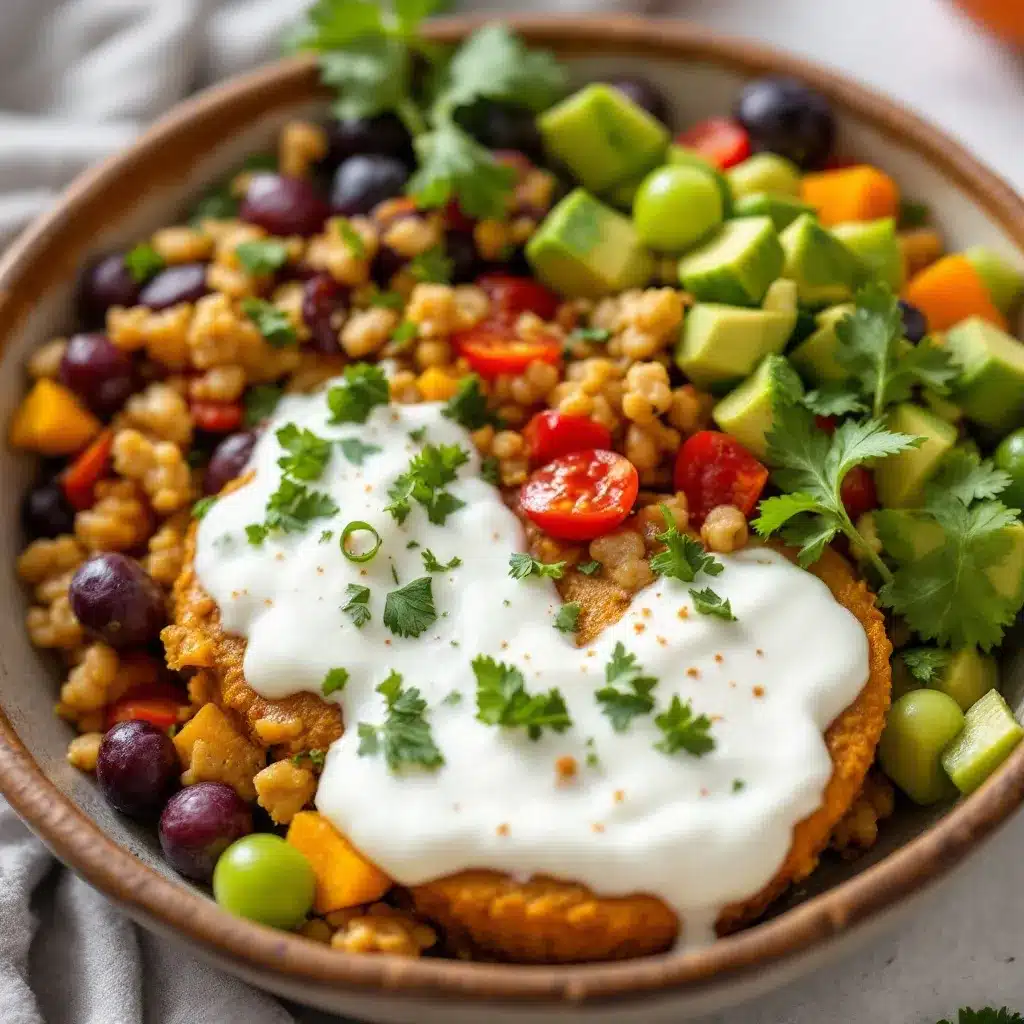
- Preheat your oven to 350°F (175°C). Position the rack in the center of the oven. Line a 12-cup muffin tin with parchment paper liners or grease the cups well with coconut oil. I’ve learned the hard way that paper liners can stick to protein muffins, so parchment liners are worth the extra cost.
- Mix the dry ingredients. In a large bowl, whisk together the almond flour, oat flour, pumpkin pie spice, baking soda, and salt. Make sure there are no lumps in the almond flour—it tends to clump if it’s been sitting in the pantry. Break up any clumps with your fingers or a fork.
- Mix the wet ingredients. In a separate medium bowl, whisk together the pumpkin puree, Greek yogurt, eggs, maple syrup, melted coconut oil, and vanilla extract (if your protein powder doesn’t already have it). Whisk until smooth and well combined. The mixture should be thick but pourable. If it looks curdled, don’t worry—that’s just the yogurt reacting to the coconut oil.
- Combine wet and dry ingredients. Pour the wet mixture into the dry mixture and stir gently with a rubber spatula until just combined. Do not overmix! Overmixing will develop the gluten in the oat flour and make the muffins tough. A few small lumps are perfectly fine. The batter will be thick and slightly sticky.
- Fold in the protein powder. Add the vanilla protein powder and fold it in gently. Make sure it is fully incorporated without any white streaks. If the batter seems too thick, add a tablespoon of milk (dairy or non-dairy) to loosen it up. If it seems too thin, add another tablespoon of almond flour.
- Portion the batter. Use an ice cream scoop or a large spoon to divide the batter evenly among the 12 muffin cups. Fill each cup about 3/4 full. The batter will not rise as much as regular muffins, so don’t be tempted to overfill. If you want taller muffins, fill the cups almost to the top and reduce the number of muffins to 10.
- Add toppings (optional). Sprinkle a few dark chocolate chips or chopped pecans on top of each muffin. This adds a nice visual contrast and a little extra texture. Press the toppings gently into the batter so they don’t fall off during baking.
- Bake. Place the muffin tin in the preheated oven and bake for 18-22 minutes. The muffins are done when a toothpick inserted into the center comes out clean or with a few moist crumbs. If the toothpick has wet batter on it, bake for another 2-3 minutes. The tops should be golden brown and slightly springy to the touch.
- Cool. Let the muffins cool in the tin for 5 minutes. This allows them to set and makes them easier to remove. Then transfer them to a wire rack to cool completely. If you try to remove them too early, they might fall apart. Patience is key here, and I speak from experience.
- Serve or store. Enjoy the muffins warm or at room temperature. They are delicious on their own, but a little pat of butter or a drizzle of honey takes them over the top.
Cooking Tips & Techniques
The first time I made these, I used a cheap protein powder that had a weird artificial vanilla flavor. The muffins smelled great while baking, but the taste was off-putting. I learned that the quality of your protein powder matters more than anything else in this recipe. Spend a little extra on a brand that uses simple ingredients and natural sweeteners. Your taste buds will thank you.
Another mistake I made early on was overmixing the batter. I was so used to making traditional muffins where you mix until smooth that I did the same here. The result was a batch of dense, hockey-puck-like muffins that nobody wanted to eat. Now I mix until the flour is just moistened, and I stop the second I see no more dry streaks. A few lumps are your friend.
If you want to make these muffins dairy-free, use a thick coconut yogurt in place of the Greek yogurt. Just make sure it’s unsweetened and has a similar consistency. I’ve also used a dairy-free protein powder with good results, but the texture was slightly more crumbly. Adding an extra tablespoon of coconut oil helped.
Timing is everything with these muffins. I always set my timer for 18 minutes and check them. If they need more time, I add 2 minutes at a time. Ovens vary widely, and I’ve had friends tell me their muffins were done at 16 minutes while mine take a full 22. Get to know your oven and trust the toothpick test over the timer.
One trick I’ve picked up is to let the batter rest for 5 minutes before baking. This allows the oat flour to absorb some of the moisture, which results in a more tender muffin. It also gives the baking soda a chance to activate, leading to a better rise. It’s a small step that makes a noticeable difference.
Variations & Adaptations
These muffins are incredibly versatile, and I’ve tried several variations over the months. For a chocolate version, replace 2 tablespoons of almond flour with unsweetened cocoa powder and add 1/4 cup dark chocolate chips. The chocolate and pumpkin combination is surprisingly good, and the Greek yogurt keeps it from being too heavy.
For a nut-free option, use all oat flour instead of almond flour. The texture will be slightly denser, but still delicious. I’ve also used whole wheat pastry flour with good results, though the muffins were a bit more cake-like. If you go that route, reduce the oat flour to 1/4 cup and add 1/4 cup whole wheat pastry flour.
If you want to boost the protein even further, add a tablespoon of collagen peptides along with the protein powder. This adds about 10 grams of protein without changing the flavor or texture. I’ve done this for post-workout snacks, and it works beautifully.
For a lower-carb version, use all almond flour and skip the oat flour. The muffins will be more delicate, so handle them carefully. You can also reduce the maple syrup to 2 tablespoons and add a few drops of liquid stevia for sweetness. This version works well for keto diets if you use a keto-friendly protein powder.
I once made a batch with fresh cranberries folded into the batter, and it was a game-changer. The tartness of the cranberries balanced the sweetness of the maple syrup perfectly. Just chop the cranberries roughly and fold them in gently. If you use frozen cranberries, don’t thaw them first—add them straight to the batter to prevent them from bleeding.
Serving & Storage Suggestions
These muffins are best served warm, fresh from the oven. The edges are slightly crisp, and the center is soft and tender. I love splitting one open and spreading a little salted butter on it while it’s still warm. The butter melts into the crumb, and it’s pure comfort. If you’re watching calories, a drizzle of honey or a smear of almond butter works just as well.
For a more indulgent breakfast, serve the muffins alongside a bowl of Greek yogurt topped with fresh fruit and a sprinkle of granola. The protein from the muffins and yogurt will keep you full for hours. I’ve also packed them for road trips and picnics—they travel well and don’t get mushy.
To store, keep the muffins in an airtight container at room temperature for up to 3 days. If you live in a humid climate, refrigerate them to prevent mold. The muffins will stay fresh in the fridge for up to a week. Just let them come to room temperature before serving, or reheat them in the microwave for 15-20 seconds.
These muffins freeze beautifully. Place them in a single layer on a baking sheet and freeze for an hour, then transfer them to a freezer-safe bag or container. They will keep for up to 3 months. To reheat, microwave one for 20-30 seconds, or pop it in a 350°F oven for 5-7 minutes. The texture will be just as good as fresh.
I’ve noticed that the flavors develop over time. The muffins are good on day one, but they are even better on day two. The pumpkin and spice flavors meld together, and the texture becomes more tender. If you can resist eating them all right away, let them sit overnight for the best experience.
Nutritional Information & Benefits
Each muffin contains approximately 180 calories, 12 grams of protein, 8 grams of fat, and 18 grams of carbohydrates. The exact numbers will vary depending on your protein powder and mix-ins, but this gives you a good baseline. That’s a solid macronutrient profile for a breakfast or snack that actually tastes like a treat.
The Greek yogurt and protein powder provide a significant protein boost, which helps with muscle repair and keeps you feeling full longer. Pumpkin is rich in vitamin A, fiber, and antioxidants, which support eye health and immune function. Almond flour adds healthy fats and vitamin E, while oat flour provides complex carbohydrates for sustained energy.
These muffins are naturally gluten-free if you use certified gluten-free oats, and they can be made dairy-free with simple substitutions. They are also refined sugar-free, relying on maple syrup for sweetness. If you have nut allergies, substitute the almond flour with additional oat flour. The only potential allergen is eggs, but I’ve heard of successful substitutions using flax eggs (though I haven’t tested that myself).
From a wellness perspective, I love that these muffins offer a balanced source of protein, healthy fats, and complex carbs. They are perfect for a post-workout snack, a quick breakfast, or a mid-afternoon pick-me-up. They satisfy that craving for something sweet and comforting without the sugar crash that comes from traditional muffins.
Conclusion
These Healthy Pumpkin Protein Muffins with Greek Yogurt have become a staple in my kitchen, and I have a feeling they will become one in yours too. They are proof that you don’t have to sacrifice flavor for nutrition. The texture is tender, the flavor is warm and comforting, and the protein content makes them a smart choice for any time of day. Whether you’re meal-prepping for a busy week or just want a healthier alternative to your usual breakfast, these muffins deliver every time.
I encourage you to make these your own. Swap the chocolate chips for pecans, add a pinch of cardamom, or drizzle them with a simple glaze. The base recipe is forgiving, and the possibilities are endless. If you try them, let me know how they turn out. I love hearing about your adaptations and successes. Leave a comment below, share your photos, and tag me on social media. Happy baking, and remember—you deserve a muffin that tastes as good as it makes you feel.
Frequently Asked Questions
Can I use a different type of protein powder?
Yes, but the texture may vary. Whey protein tends to work best because it blends smoothly and adds structure. Plant-based protein powders can be more absorbent, so you may need to add an extra tablespoon of milk to the batter. Avoid using collagen peptides alone, as they don’t provide the same structure.
Can I make these muffins without almond flour?
Absolutely. Substitute the almond flour with an equal amount of oat flour or whole wheat pastry flour. The texture will be slightly denser and less tender, but they will still be delicious. If you are nut-free, this is a great option.
How do I know when the muffins are done?
Insert a toothpick into the center of a muffin. If it comes out clean or with a few moist crumbs, they are done. If the toothpick has wet batter, bake for another 2-3 minutes. The tops should be golden brown and spring back when lightly pressed.
Can I use fresh pumpkin instead of canned?
Yes, but you need to roast and puree the pumpkin first. Make sure to drain any excess liquid by placing the puree in a fine-mesh strainer lined with cheesecloth for about 30 minutes. Fresh pumpkin puree is often more watery than canned, which can affect the texture of the muffins.
Can I make these muffins vegan?
I haven’t tested a vegan version, but you can try substituting the eggs with flax eggs (1 tablespoon ground flaxseed mixed with 3 tablespoons water per egg). Use a vegan protein powder and dairy-free yogurt. The texture may be denser, but it should still work. Let me know if you try it!
Pin This Recipe!
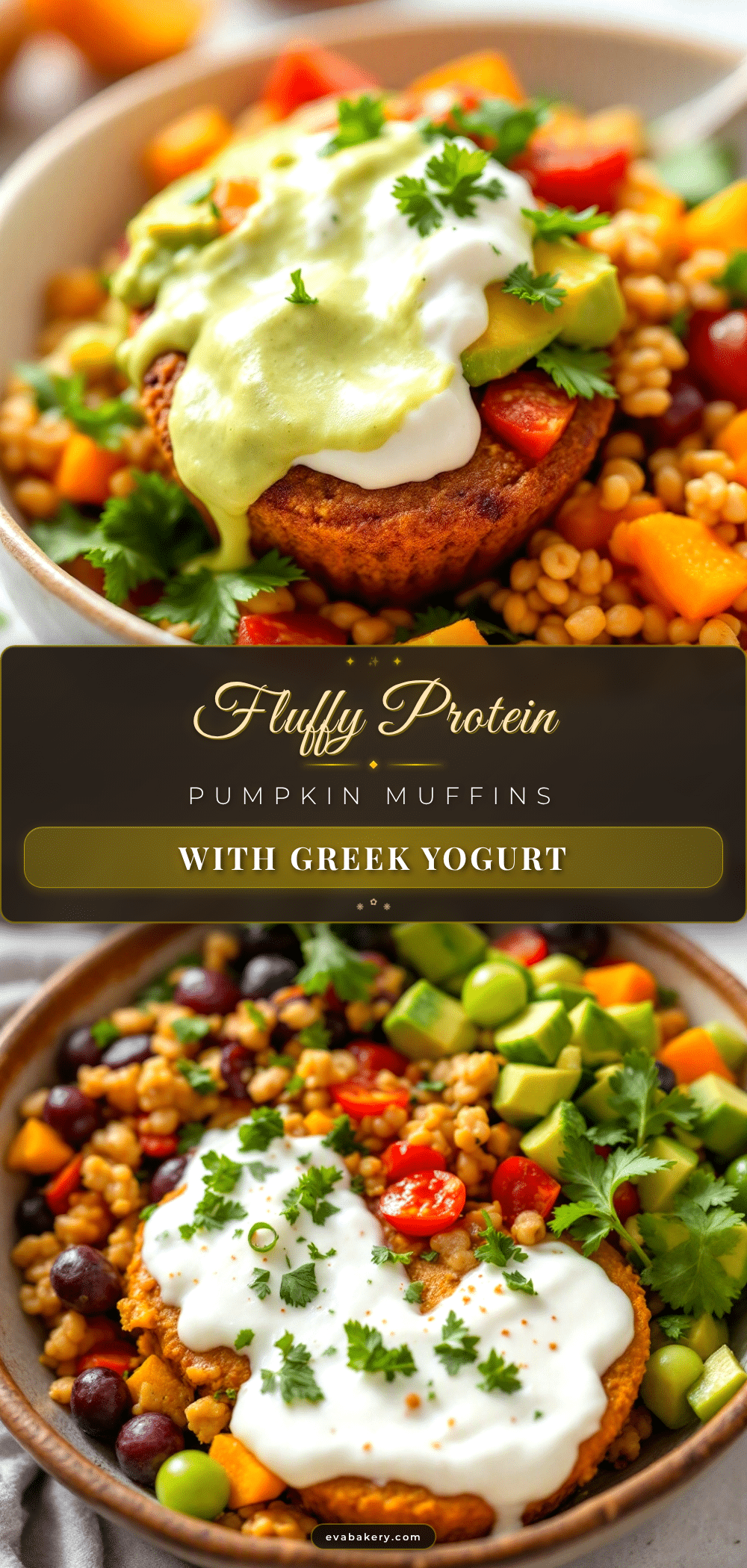
Healthy Pumpkin Protein Muffins with Greek Yogurt
These Healthy Pumpkin Protein Muffins with Greek Yogurt are moist, tender, and packed with protein. They taste like a treat but keep you full until lunch, making them perfect for meal prep or a quick breakfast.
- Prep Time: 10 minutes
- Cook Time: 20 minutes
- Total Time: 30 minutes
- Yield: 12 muffins 1x
- Category: Breakfast
- Cuisine: American
Ingredients
- 1 cup (245g) pumpkin puree (100% pure, not pie filling)
- 1/2 cup (120g) Greek yogurt (full-fat or 2%)
- 1 scoop (about 30g) vanilla protein powder (e.g., Orgain Simple Vanilla)
- 1 cup (112g) almond flour (super-fine, e.g., Bob’s Red Mill)
- 1/2 cup (60g) oat flour (certified gluten-free if needed)
- 2 large eggs (room temperature)
- 1/4 cup (60ml) pure maple syrup
- 2 tablespoons (30ml) coconut oil (melted)
- 2 teaspoons pumpkin pie spice (or homemade blend: 1 tsp cinnamon, 1/2 tsp nutmeg, 1/4 tsp ginger, 1/4 tsp cloves)
- 1 teaspoon baking soda
- 1/4 teaspoon salt
- Optional: 1/4 cup dark chocolate chips or 1/4 cup chopped pecans
Instructions
- Preheat your oven to 350°F (175°C). Position the rack in the center. Line a 12-cup muffin tin with parchment paper liners or grease well with coconut oil.
- In a large bowl, whisk together the almond flour, oat flour, pumpkin pie spice, baking soda, and salt. Break up any clumps in the almond flour.
- In a separate medium bowl, whisk together the pumpkin puree, Greek yogurt, eggs, maple syrup, melted coconut oil, and vanilla extract (if your protein powder doesn’t already have it) until smooth and well combined.
- Pour the wet mixture into the dry mixture and stir gently with a rubber spatula until just combined. Do not overmix; a few small lumps are fine.
- Fold in the vanilla protein powder gently until fully incorporated. If the batter seems too thick, add a tablespoon of milk; if too thin, add another tablespoon of almond flour.
- Use an ice cream scoop or large spoon to divide the batter evenly among the 12 muffin cups, filling each about 3/4 full.
- If desired, sprinkle dark chocolate chips or chopped pecans on top, pressing them gently into the batter.
- Bake for 18-22 minutes, until a toothpick inserted into the center comes out clean or with a few moist crumbs. The tops should be golden brown and springy to the touch.
- Let the muffins cool in the tin for 5 minutes, then transfer to a wire rack to cool completely.
- Serve warm or at room temperature. Store in an airtight container at room temperature for up to 3 days, refrigerate for up to a week, or freeze for up to 3 months.
Notes
Use full-fat or 2% Greek yogurt for best moisture; nonfat will make muffins dry. Quality of protein powder matters—choose one with natural sweeteners. Let batter rest 5 minutes before baking for a more tender muffin. Muffins taste even better on day two.
Nutrition
- Serving Size: 1 muffin
- Calories: 180
- Sugar: 8
- Sodium: 200
- Fat: 8
- Saturated Fat: 3
- Carbohydrates: 18
- Fiber: 3
- Protein: 12
Keywords: pumpkin muffins, protein muffins, Greek yogurt muffins, healthy muffins, gluten-free muffins, meal prep breakfast