Let me tell you, the aroma of simmering Arborio rice mingling with the vibrant scent of fresh peas, tender asparagus, and sweet spring onions wafting through my kitchen is enough to make anyone’s mouth water. The first time I made this creamy spring risotto with fresh vegetables, I was instantly hooked—the kind of moment where you pause, take a deep breath, and just smile because you know you’re onto something truly special. It was a rainy Saturday afternoon years ago, and I was knee-high to a grasshopper when my grandmother used to cook something similar. This recipe reminded me of those cozy family dinners, full of warmth and laughter.
Honestly, my family couldn’t stop sneaking spoonfuls off the stove (and I can’t really blame them). You know what makes this risotto dangerously easy? It’s got that rich, velvety texture, the burst of fresh veggies, and a subtle zing of lemon that just brightens everything up. Perfect for potlucks, a sweet treat for your kids, or to brighten up your Pinterest cookie board with something savory and wholesome. I’ve tested this creamy spring risotto with fresh vegetables multiple times (in the name of research, of course), and it’s become a staple for family gatherings and casual weeknight dinners alike. It really feels like a warm hug on a plate, and trust me, you’re going to want to bookmark this one.
Why You’ll Love This Recipe
This creamy spring risotto with fresh vegetables isn’t just another rice dish—it’s the best version you’ll ever try, and here’s why:
- Quick & Easy: Comes together in under 40 minutes, perfect for busy weeknights or last-minute cravings.
- Simple Ingredients: No fancy grocery trips needed; you likely already have everything in your kitchen or local market.
- Perfect for Spring & Early Summer: Showcases fresh, seasonal vegetables that bring brightness and color to your plate.
- Crowd-Pleaser: Always gets rave reviews from kids and adults alike, whether at brunch or dinner.
- Unbelievably Delicious: The creamy texture combined with the fresh crunch of vegetables is pure, nostalgic comfort food.
What sets this creamy spring risotto with fresh vegetables apart is the special touch of stirring in a little Parmesan and a splash of lemon juice at the end. This isn’t just comfort food; it’s comfort food reimagined—lighter, fresher, but with all the soul-soothing satisfaction you crave. Whether you’re impressing guests without breaking a sweat or turning a simple meal into something memorable, this recipe has your back.
What Ingredients You Will Need
This recipe uses simple, wholesome ingredients to deliver bold flavor and satisfying texture without the fuss. Most are pantry staples or fresh market finds, making it a breeze to whip up.
- Arborio rice – 1 ½ cups (300 g) (for that signature creamy risotto texture; I recommend Carnaroli for best results)
- Vegetable broth – About 5 cups (1.2 liters), kept warm (homemade or low-sodium store-bought)
- Unsalted butter – 3 tablespoons, divided (adds richness and silkiness)
- Extra virgin olive oil – 2 tablespoons (for sautéing and flavor)
- Yellow onion – 1 small, finely chopped (provides a gentle sweetness)
- Garlic cloves – 2, minced (adds depth)
- Fresh asparagus – 1 cup (about 150 g), trimmed and cut into 1-inch pieces (spring star!)
- Fresh peas – 1 cup (150 g) (use frozen if fresh aren’t available, just thaw first)
- Spring onions – 3, thinly sliced (for that mild onion crunch)
- Dry white wine – ½ cup (120 ml) (optional but recommended for a subtle zing)
- Parmesan cheese – ¾ cup (75 g), freshly grated (for creamy, cheesy goodness)
- Fresh lemon juice – 1 tablespoon (brightens the whole dish)
- Salt and freshly ground black pepper – to taste
- Fresh parsley – 2 tablespoons, chopped (for garnish and fresh herby note)
Pro tip: If you want a dairy-free option, swap butter with vegan margarine and Parmesan with nutritional yeast or a vegan cheese alternative.
Equipment Needed
- Large heavy-bottomed skillet or sauté pan: A wide pan helps the rice cook evenly without crowding.
- Medium saucepan: To keep the vegetable broth warm while cooking.
- Wooden spoon or silicone spatula: For stirring the risotto gently without breaking the grains.
- Measuring cups and spoons: Accurate measurements matter here, especially for liquids.
- Fine grater: For grating fresh Parmesan cheese.
If you don’t have a wide skillet, a deep frying pan or even a Dutch oven works fine—just make sure there’s enough surface area for the rice to cook evenly. I’ve used both non-stick and stainless steel pans with great results, but avoid super-light pans that can burn the rice easily. Keep your wooden spoons well-oiled to avoid cracking, and if you’re budget-conscious, a heavy cast-iron pan often doubles as your best friend for risottos.
Preparation Method

- Warm your broth: Pour the vegetable broth into a medium saucepan and bring it to a gentle simmer over low heat. Keep it warm on the stove throughout the cooking process. (About 5 minutes)
- Sauté aromatics: In your large skillet or sauté pan, heat 1 tablespoon of unsalted butter and the olive oil over medium heat. Add the finely chopped onion and cook, stirring occasionally, until translucent and soft—about 4-5 minutes. Add the minced garlic and cook for another 30 seconds until fragrant.
- Toast the rice: Add the Arborio rice to the pan, stirring constantly to coat each grain with the butter and oil mixture. Toast the rice for about 2 minutes until it looks slightly translucent around the edges but still opaque in the center. This step helps build the risotto’s signature creamy texture.
- Deglaze with wine: Pour in the dry white wine (if using), stirring and scraping the bottom of the pan. Cook until the wine is mostly absorbed, about 2-3 minutes. (If skipping wine, start with warm broth instead.)
- Add broth gradually: Begin adding the warm vegetable broth one ladle (about ½ cup or 120 ml) at a time. Stir frequently and allow the rice to absorb most of the liquid before adding the next ladle. This slow addition and stirring technique coax out the rice’s natural starches, creating that creamy consistency. (This process takes about 20-25 minutes.)
- Add vegetables: When the rice has absorbed about half the broth and is starting to soften (around 10-12 minutes in), stir in the asparagus pieces, peas, and spring onions. Continue adding broth ladle by ladle, stirring gently, until the rice is tender but still has a slight bite (al dente). The vegetables will cook perfectly during this time.
- Finish with butter, cheese, and lemon: Once the rice is creamy and cooked through, remove the pan from heat. Stir in the remaining 2 tablespoons of butter, the grated Parmesan cheese, and fresh lemon juice. Season with salt and freshly ground black pepper to taste.
- Garnish and serve: Sprinkle with chopped fresh parsley and serve immediately. Risotto waits for no one, so plate it up while it’s warm and creamy!
Note: If the risotto thickens too much before serving, stir in a splash of warm broth or water to loosen it up. You want it creamy, not clumpy.
Cooking Tips & Techniques
Risotto can be a little intimidating, but honestly, with this creamy spring risotto with fresh vegetables, you’re set for success. Here are some tips I’ve picked up over the years:
- Keep broth warm: Adding cold broth can shock the rice and slow down cooking, which messes with the creaminess.
- Stir often but gently: Stirring prevents sticking and helps release the rice’s starch, but don’t overdo it or you’ll break the grains.
- Don’t rush the ladle additions: Patience pays off here. Let each ladle absorb fully before adding the next.
- Choose the right rice: Arborio or Carnaroli rice are your best bets for that luscious, creamy texture. Long-grain rice won’t behave the same way.
- Watch your seasoning: Season at the end because the broth and cheese add saltiness.
- Don’t overcook vegetables: Adding them halfway through ensures they stay vibrant and slightly crisp, not mushy.
I once tried rushing the process by dumping all the broth at once—big mistake. The risotto turned out gummy and sad. Trust me, those 30 minutes of stirring are worth every second. Also, multitasking works if you prep your veggies beforehand; otherwise, stay focused on the rice to prevent burning.
Variations & Adaptations
This creamy spring risotto with fresh vegetables is a great canvas for tweaking to your taste or dietary needs. Here are a few ways I’ve made it my own:
- Seasonal swaps: Instead of asparagus and peas, try fresh mushrooms, baby zucchini, or tender baby spinach. In summer, fresh cherry tomatoes add a juicy pop.
- Dairy-free option: Use vegan butter and nutritional yeast in place of Parmesan for a creamy, cheesy flavor without dairy.
- Protein boost: Stir in cooked shrimp, shredded chicken, or crispy pancetta for a heartier meal.
- Herb variations: Swap parsley for fresh basil or tarragon to change up the flavor profile.
- Broth alternatives: Chicken broth works well if you’re not vegetarian, or mushroom broth for an earthy twist.
Personally, I once made this risotto with lemon zest and mint for a refreshing spring vibe—my guests loved the brightness! Feel free to get creative; this recipe welcomes your ideas with open arms.
Serving & Storage Suggestions
Risotto is best served immediately, warm and creamy, straight from the pan. I like to garnish with a little extra grated Parmesan and a crack of black pepper before plating. Pair it with a crisp green salad or roasted veggies for a complete meal. A chilled glass of Sauvignon Blanc or a light sparkling water with lemon complements the fresh flavors beautifully.
If you have leftovers (which is rare), store them in an airtight container in the refrigerator for up to 2 days. When reheating, add a splash of broth or water and gently warm on the stove while stirring to bring back that creamy texture. Microwave reheating works too, but watch closely to prevent drying out.
Keep in mind, risotto thickens as it cools, so don’t worry if it looks dense at first; a little stirring and warming will bring it back to life. The flavors often deepen overnight, making leftovers surprisingly delicious.
Nutritional Information & Benefits
This creamy spring risotto with fresh vegetables is a nourishing dish packed with wholesome ingredients. One serving (about 1 cup or 250 g) contains approximately:
| Calories | 320 kcal |
|---|---|
| Carbohydrates | 45 g |
| Protein | 8 g |
| Fat | 8 g |
| Fiber | 4 g |
The fresh vegetables provide vitamins A and C, fiber, and antioxidants that support immune health. Arborio rice is a good source of complex carbohydrates, giving you steady energy. Using vegetable broth keeps the dish light and vegetarian-friendly, and swapping in vegan alternatives can make it dairy-free and suitable for different diets.
From a wellness perspective, this risotto feels indulgent but balances creamy comfort with fresh, seasonal goodness—perfect if you’re mindful of eating clean without sacrificing flavor.
Conclusion
If you’re looking for a dish that feels like a warm, comforting hug but still bright and fresh enough for spring, this creamy spring risotto with fresh vegetables is your new go-to. It’s easy to make, uses simple ingredients, and delivers big on flavor and texture. Honestly, I love how flexible it is—you can customize it for any season, dietary need, or occasion.
Give it a try, tweak it to suit your pantry or tastes, and don’t be shy about sharing how it turned out! This risotto has been a favorite in my kitchen for years, and I’m betting it’ll become one in yours too. So grab your pan, and let’s get cooking—you won’t regret it.
And hey, if you enjoyed this recipe, leave a comment below or share your favorite variations. I love hearing from you!
FAQs About Creamy Spring Risotto with Fresh Vegetables
Can I make risotto ahead of time?
Risotto is best fresh, but you can make it a day ahead and gently reheat with some added broth or water to restore creaminess.
What’s the best rice for risotto?
Arborio or Carnaroli rice works best because their high starch content creates that creamy texture risotto is known for.
Can I use frozen vegetables?
Yes! Frozen peas or asparagus are fine—just thaw and add them at the same stage as fresh veggies.
Is it possible to make this risotto vegan?
Absolutely. Use vegan butter or olive oil and swap Parmesan for nutritional yeast or a vegan cheese alternative.
How do I know when the risotto is done?
The rice should be tender but still have a slight bite (al dente), and the texture should be creamy but not soupy.
Pin This Recipe!
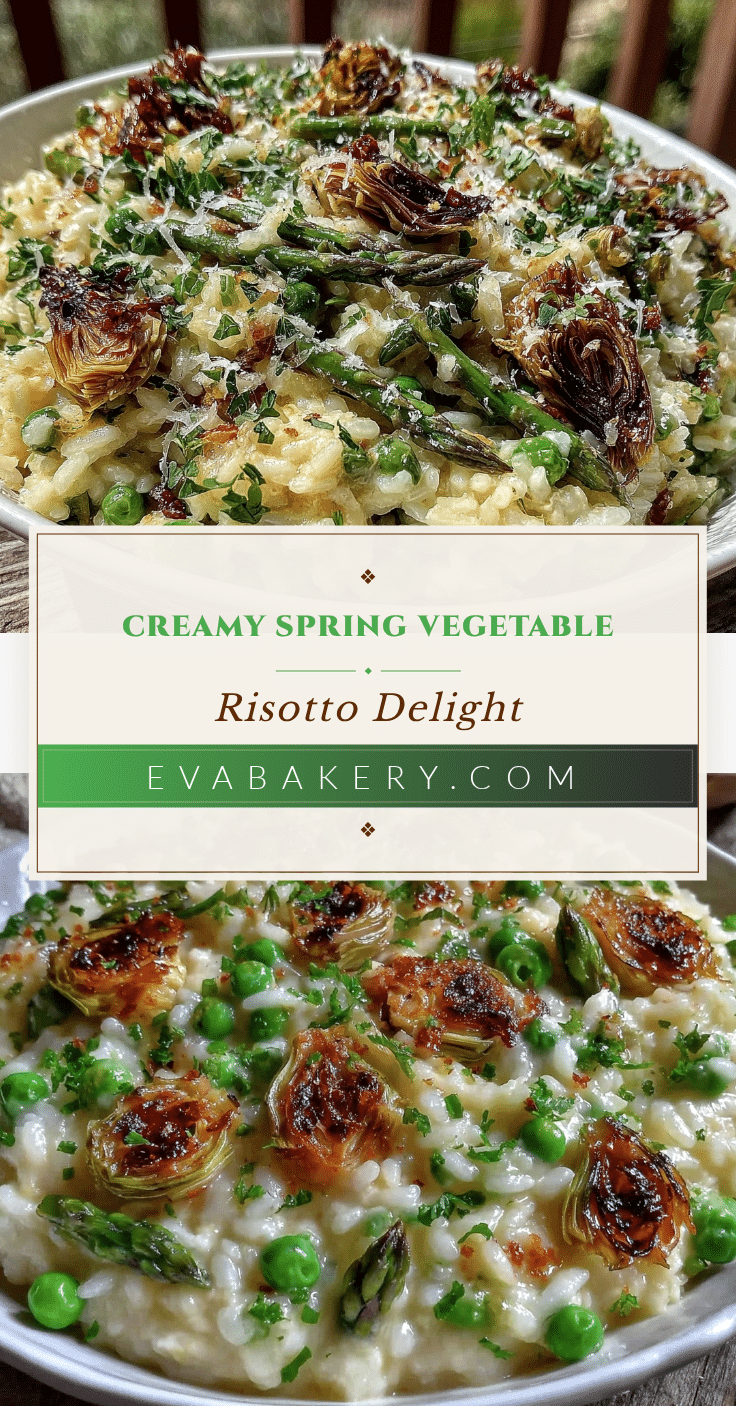
Creamy Spring Risotto with Fresh Vegetables

A rich and velvety risotto featuring fresh spring vegetables like peas, asparagus, and spring onions, finished with Parmesan and a splash of lemon juice for brightness. Perfect for a comforting yet fresh meal.
- Prep Time: 10 minutes
- Cook Time: 30 minutes
- Total Time: 40 minutes
- Yield: 4 servings 1x
- Category: Main Course
- Cuisine: Italian
Ingredients
- 1 ½ cups Arborio rice (300 g)
- About 5 cups vegetable broth (1.2 liters), kept warm
- 3 tablespoons unsalted butter, divided
- 2 tablespoons extra virgin olive oil
- 1 small yellow onion, finely chopped
- 2 garlic cloves, minced
- 1 cup fresh asparagus, trimmed and cut into 1-inch pieces (about 150 g)
- 1 cup fresh peas (150 g) or thawed frozen peas
- 3 spring onions, thinly sliced
- ½ cup dry white wine (120 ml) (optional)
- ¾ cup freshly grated Parmesan cheese (75 g)
- 1 tablespoon fresh lemon juice
- Salt and freshly ground black pepper, to taste
- 2 tablespoons fresh parsley, chopped
Instructions
- Warm your vegetable broth in a medium saucepan over low heat and keep it warm throughout cooking (about 5 minutes).
- In a large heavy-bottomed skillet or sauté pan, heat 1 tablespoon of unsalted butter and the olive oil over medium heat. Add the finely chopped onion and cook, stirring occasionally, until translucent and soft, about 4-5 minutes. Add the minced garlic and cook for another 30 seconds until fragrant.
- Add the Arborio rice to the pan, stirring constantly to coat each grain with the butter and oil mixture. Toast the rice for about 2 minutes until slightly translucent around the edges but still opaque in the center.
- Pour in the dry white wine (if using), stirring and scraping the bottom of the pan. Cook until the wine is mostly absorbed, about 2-3 minutes. If skipping wine, start with warm broth instead.
- Begin adding the warm vegetable broth one ladle (about ½ cup or 120 ml) at a time. Stir frequently and allow the rice to absorb most of the liquid before adding the next ladle. Continue this slow addition and stirring for about 20-25 minutes.
- When the rice has absorbed about half the broth and is starting to soften (around 10-12 minutes), stir in the asparagus pieces, peas, and spring onions. Continue adding broth ladle by ladle, stirring gently, until the rice is tender but still has a slight bite (al dente).
- Once the rice is creamy and cooked through, remove the pan from heat. Stir in the remaining 2 tablespoons of butter, the grated Parmesan cheese, and fresh lemon juice. Season with salt and freshly ground black pepper to taste.
- Sprinkle with chopped fresh parsley and serve immediately. If the risotto thickens too much before serving, stir in a splash of warm broth or water to loosen it up.
Notes
Keep the broth warm to maintain creaminess. Stir gently and frequently to release starch without breaking the rice grains. Add broth gradually and be patient for best texture. If risotto thickens before serving, loosen with warm broth or water. For dairy-free, substitute butter with vegan margarine and Parmesan with nutritional yeast or vegan cheese.
Nutrition
- Serving Size: 1 cup (about 250 g)
- Calories: 320
- Sugar: 3
- Sodium: 400
- Fat: 8
- Saturated Fat: 4
- Carbohydrates: 45
- Fiber: 4
- Protein: 8
Keywords: risotto, spring vegetables, creamy risotto, Arborio rice, vegetarian, easy dinner, fresh peas, asparagus, Parmesan, lemon juice