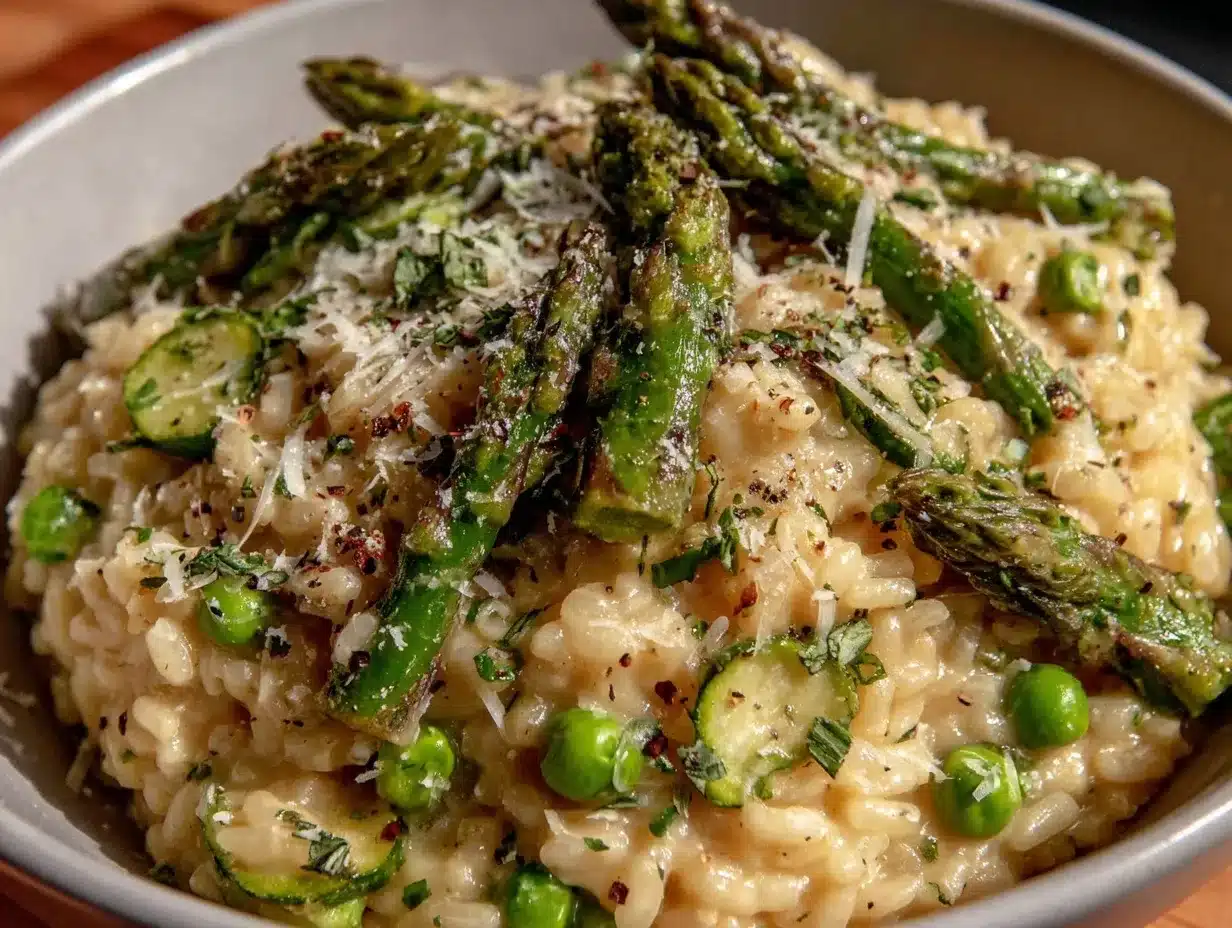
Let me tell you, the scent of simmering Arborio rice mingling with tender spring peas, asparagus, and a chorus of fresh herbs wafting from my stove is enough to make anyone’s mouth water. The first time I stirred this creamy spring vegetable risotto, I was instantly hooked—the kind of moment where you pause, take a deep breath, and just smile because you know you’re onto something truly special. It’s been a few springs since then, but every time I make this dish, it reminds me of those early days of gardening when I was knee-high to a grasshopper, helping my grandma pick fresh herbs from her little backyard patch.
I stumbled upon this recipe during a rainy weekend when I wanted something comforting yet bright and fresh. Honestly, it’s dangerously easy to make, delivering pure, nostalgic comfort with those silky textures and vibrant flavors. My family couldn’t stop sneaking spoonfuls off the pot, and I can’t really blame them. Whether it’s a casual weeknight or a special weekend dinner, this creamy spring vegetable risotto with fresh herbs is perfect for potlucks, a sweet treat for your kids, or simply to brighten up your Pinterest recipe board with a splash of color and flavor.
After testing this recipe a handful of times (in the name of research, of course), it’s become a staple at family gatherings and a go-to for gifting dinner to friends. It feels like a warm hug on a plate, and you’re going to want to bookmark this one for your spring and early summer menus.
Why You’ll Love This Creamy Spring Vegetable Risotto Recipe with Fresh Herbs
Having spent years in the kitchen perfecting risottos, I can confidently say this recipe hits all the right notes. It’s not just another risotto—this one balances creaminess and freshness in a way that’s hard to beat. Here’s why this creamy spring vegetable risotto is a winner:
- Quick & Easy: It comes together in under 45 minutes, perfect for busy weeknights or last-minute cravings.
- Simple Ingredients: No fancy grocery trips needed; you likely have most of these pantry staples and fresh spring veggies at hand.
- Perfect for Spring & Early Summer: It highlights seasonal produce like peas and asparagus, making your meal taste like the season itself.
- Crowd-Pleaser: Always gets rave reviews from kids and adults alike, thanks to its creamy texture and bright herbaceous notes.
- Unbelievably Delicious: The slow-cooked rice absorbs flavorful broth while fresh herbs add a vibrant punch, creating a next-level comfort food experience.
What makes this recipe stand apart? It’s the method: slowly toasting the rice before adding warm broth little by little, coaxing out that signature creaminess without a drop of cream. Plus, blending fresh herbs right in at the end makes the flavor pop. Honestly, this risotto isn’t just good—it’s the kind that makes you close your eyes after the first bite and savor every mouthful. It’s comfort food reimagined—lighter, fresher, but with all the soul-soothing satisfaction you crave. Whether you want to impress guests without stress or turn a simple meal into something memorable, this recipe has your back.
What Ingredients You Will Need for Creamy Spring Vegetable Risotto with Fresh Herbs
This recipe uses simple, wholesome ingredients that deliver bold flavor and a satisfyingly creamy texture without fuss. Most are pantry staples or fresh spring veggies you can find at your local market or farmer’s stand. Here’s what you’ll want on hand:
- Arborio rice – 1 ½ cups (about 300g), the star for creamy risotto texture (I recommend Lundberg brand for consistent results)
- Vegetable broth – 5 cups (1.2 liters), kept warm on the stove (homemade or low-sodium store-bought works great)
- White onion – 1 small, finely chopped (adds gentle sweetness)
- Garlic cloves – 2, minced (for that subtle savory kick)
- Asparagus – 1 bunch (about 12 spears), trimmed and cut into 1-inch pieces (fresh, bright, and crisp)
- Fresh peas – 1 cup (about 150g), shelled or frozen (sweet pop of spring goodness)
- Dry white wine – ½ cup (120ml), optional but adds lovely depth (like a Pinot Grigio)
- Unsalted butter – 3 tablespoons (about 45g), divided (for richness and silkiness)
- Parmesan cheese – ¾ cup (80g), freshly grated (adds savory umami – I suggest Parmigiano-Reggiano)
- Fresh herbs – ¼ cup chopped parsley, 2 tablespoons chopped chives, and 1 tablespoon chopped tarragon (or swap with basil or mint depending on what you have)
- Olive oil – 2 tablespoons (extra virgin for flavor)
- Salt & freshly ground black pepper – to taste (season carefully, as broth and cheese add saltiness)
- Lemon zest – from 1 lemon (optional, for a bright finishing touch)
For substitutions: use gluten-free vegetable broth and check your Parmesan for gluten if needed. If dairy-free, swap butter with vegan margarine and Parmesan with nutritional yeast or a vegan cheese alternative. In summer, you can swap peas for fresh shelled beans or sugar snap peas for some crunch. For a nuttier flavor, add toasted pine nuts or slivered almonds on top.
Equipment Needed
- Large heavy-bottomed skillet or sauté pan – 10 to 12-inch diameter, essential for even cooking and stirring.
- Medium saucepan – to keep vegetable broth warm throughout cooking.
- Wooden spoon or silicone spatula – for stirring the risotto gently without breaking the grains.
- Chef’s knife and cutting board – for prepping vegetables and herbs.
- Grater – to freshly grate Parmesan cheese and lemon zest.
- Ladle – to add warm broth gradually in measured amounts.
If you don’t have a heavy-bottomed pan, a deep non-stick skillet works fine but be mindful of hotspots. I’ve tried risotto in a regular pan, but it tends to stick or cook unevenly. Investing in a good sauté pan really makes a difference (and lasts forever if you keep it dry and seasoned). For budget-friendly options, stainless steel pans from brands like Cuisinart or Tramontina offer great value.
Preparation Method
- Warm your broth: Pour 5 cups (1.2 liters) of vegetable broth into a medium saucepan and keep it on low heat to stay hot but not boiling. This step is key because adding cold broth can slow the cooking and affect the creamy texture.
- Sauté aromatics: In your large skillet, heat 1 tablespoon olive oil and 1 tablespoon butter over medium heat. Add the chopped onion and cook until translucent and soft, about 4–5 minutes. Toss in minced garlic and cook for another 1 minute until fragrant, but don’t let it brown or burn.
- Toast the rice: Add the Arborio rice (1 ½ cups / 300g) to the pan and stir well to coat every grain in the buttery oil. Cook for 2–3 minutes until the edges turn translucent but the center remains opaque. You’ll notice a nutty aroma developing here—that’s a good sign!
- Deglaze with wine: Pour in ½ cup (120ml) dry white wine and stir constantly until the wine is almost completely absorbed. If you’re skipping the wine, start adding broth now.
- Add broth gradually: Begin adding warm broth one ladle (about ½ cup / 120ml) at a time. Stir gently but continuously, waiting until the liquid is nearly absorbed before adding the next ladle. This slow absorption coax the rice to release its starch, creating that creamy risotto texture. This step takes about 20–25 minutes.
- Cook the vegetables: When you have about 10 minutes left, stir in the asparagus pieces and peas. They’ll cook just enough to stay tender and bright green without turning mushy.
- Finish with butter, cheese, and herbs: Once the rice is tender but still has a slight bite (al dente), remove the pan from heat. Stir in 2 tablespoons butter, grated Parmesan (¾ cup / 80g), chopped parsley, chives, and tarragon. Add lemon zest if using. Season with salt and freshly ground black pepper to taste.
- Rest and serve: Let the risotto rest for 2 minutes; it will thicken slightly. Serve immediately for the best creamy texture.
Tip: If your risotto seems too thick before serving, stir in a splash of warm broth or water to loosen it up. Don’t rush the stirring—it’s the secret to creamy risotto, so put on some music and enjoy the process!
Cooking Tips & Techniques for Perfect Risotto
The art of risotto is all about patience and attention. Here’s what I’ve learned from many batches—some successes, some honest fails—that will help you nail this creamy spring vegetable risotto:
- Keep broth warm: Adding cold liquid shocks the rice and slows cooking. Warm broth lets the rice cook evenly and release starch effortlessly.
- Stir gently but often: You don’t have to stir nonstop like a mad scientist, but frequent stirring prevents sticking and encourages creaminess.
- Use the right rice: Arborio or Carnaroli rice is your best bet. Long grain or jasmine won’t give you that signature creamy texture.
- Don’t rush the ladle additions: Wait until the previous broth is mostly absorbed before adding more. This step is what unlocks that velvety mouthfeel.
- Season carefully: Broth and Parmesan already add saltiness. Taste before adding extra salt to avoid over-seasoning.
- Cook veggies at the right time: Add delicate spring veggies late in cooking to keep their fresh color and bite.
- Practice makes perfect: My first risotto was gummy and sticky, but after a few tries, I learned to trust the process and enjoy the stirring.
Honestly, once you get the hang of this method, you’ll be whipping up creamy risottos anytime you want comfort food that feels fancy but is totally doable.
Variations & Adaptations
This creamy spring vegetable risotto is wonderfully flexible, so you can tweak it to suit your dietary needs, seasonal veggies, or flavor cravings:
- Vegan version: Swap butter for vegan margarine or olive oil, and use nutritional yeast or a vegan cheese instead of Parmesan. Make sure your broth is vegan-friendly.
- Gluten-free: Naturally gluten-free if you use gluten-free broth; double-check labels to be safe.
- Seasonal swaps: In late summer, swap asparagus and peas for zucchini, cherry tomatoes, or fresh corn kernels. In early spring, fiddle with ramps or fiddlehead ferns if you can find them.
- Protein boost: Stir in cooked shrimp, grilled chicken, or crispy pancetta at the end for a heartier meal.
- Herb variations: Experiment with fresh basil, mint, or dill instead of the usual parsley and tarragon to change the flavor profile up.
I once added toasted pine nuts and a sprinkle of lemon thyme for a slightly nutty and citrusy twist that wowed my dinner guests. Don’t hesitate to get creative—the risotto base is your blank canvas.
Serving & Storage Suggestions
Serve your creamy spring vegetable risotto hot and fresh for the best experience. It pairs beautifully with a crisp green salad or a glass of chilled Sauvignon Blanc or Pinot Grigio. A light drizzle of good olive oil on top just before serving adds an extra touch of luxury.
Leftovers can be stored in an airtight container in the refrigerator for up to 2 days. To reheat, add a splash of broth or water and gently warm in a pan over low heat, stirring often to bring back the creamy texture. Risotto tends to thicken as it cools, so loosening it up when reheating is key.
Flavors deepen after sitting for a few hours, making it a great make-ahead dish for busy days or entertaining. Just remember, risotto is best loved fresh, so plan accordingly if you’re serving guests.
Nutritional Information & Benefits
This creamy spring vegetable risotto is a balanced dish that offers a good mix of carbs, protein, and fats, plus a generous helping of vitamins and minerals from fresh vegetables and herbs. Per serving (based on 4 servings), you can expect approximately:
| Calories | 350-400 kcal |
|---|---|
| Protein | 10-12g |
| Carbohydrates | 50-55g |
| Fat | 12-15g |
| Fiber | 4-5g |
Key benefits include antioxidants and vitamin C from asparagus and peas, calcium and protein from Parmesan, and the digestive benefits of fresh herbs. It’s naturally gluten-free and can easily be adapted for dairy-free diets. I love this dish because it feels wholesome without being heavy—perfect for spring when you want something comforting but light.
Conclusion
This creamy spring vegetable risotto with fresh herbs is one of those recipes that feels like a little celebration of the season every time you make it. It’s comforting yet fresh, simple yet impressive, and honestly, it’s a dish you’ll want to keep coming back to. Whether you customize it with your favorite herbs or add a protein twist, it’s a versatile and satisfying meal that works for any occasion.
I love making this risotto because it reminds me of family, fresh gardens, and those cozy moments when cooking turns into pure joy. Give it a try, tweak it your way, and be sure to share your thoughts or your own spins in the comments—I’d love to hear how it turns out for you! Happy cooking!
FAQs About Creamy Spring Vegetable Risotto with Fresh Herbs
Can I make this risotto ahead of time?
Yes, you can make it ahead and store it in the fridge for up to 2 days. Reheat gently with a splash of broth to restore creaminess, but it’s best enjoyed fresh.
What if I don’t have white wine?
No worries! Simply skip the wine and start adding warm broth after toasting the rice. The risotto will still be delicious and creamy.
Can I use frozen vegetables for this recipe?
Absolutely. Frozen peas and asparagus work well—just add them a little earlier to ensure they cook through without losing their texture.
How do I know when the risotto is done?
The rice should be tender but still have a slight bite (al dente). It should be creamy and loose, not dry or mushy.
What herbs work best if I don’t have parsley, chives, or tarragon?
Basil, mint, or dill can be great substitutes. Feel free to mix and match based on your taste and what’s fresh in your kitchen.
Pin This Recipe!
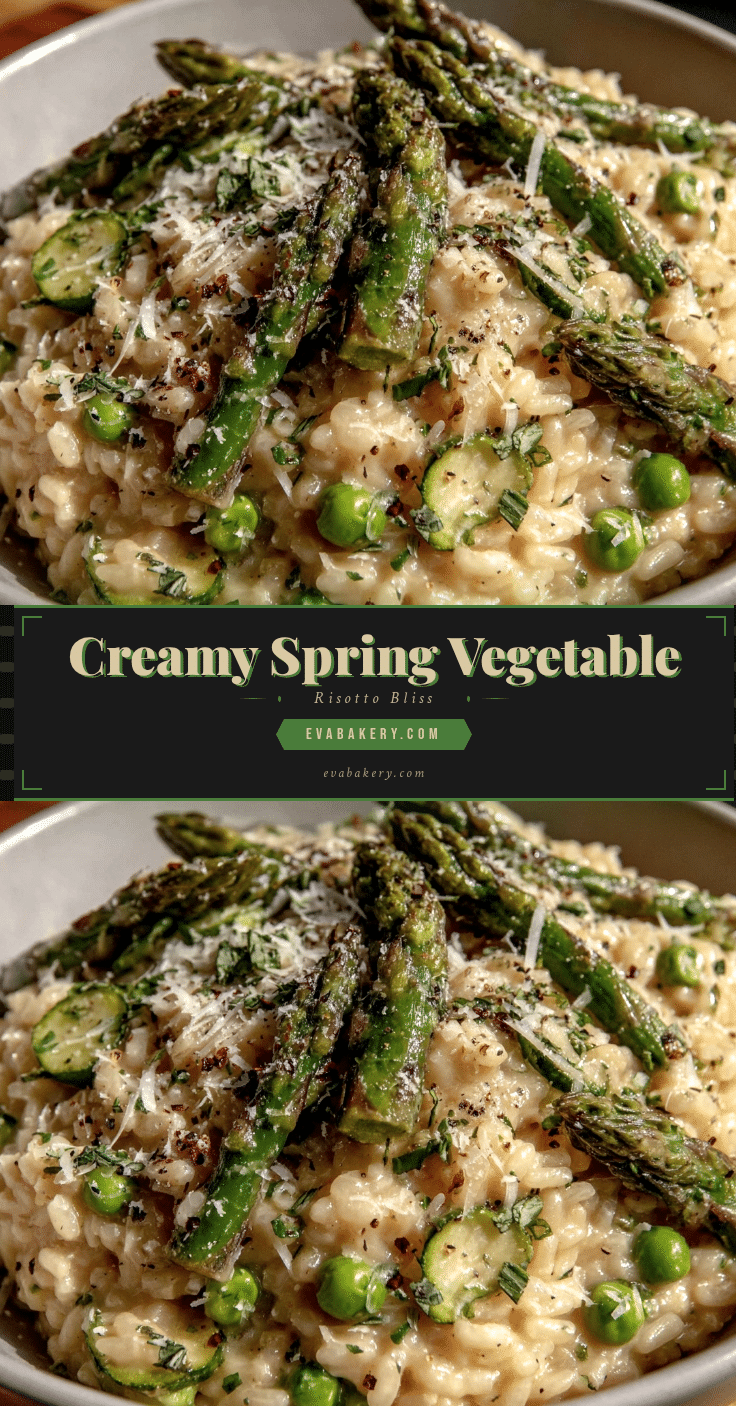
Creamy Spring Vegetable Risotto Recipe with Fresh Herbs

A creamy and fresh risotto featuring Arborio rice, spring peas, asparagus, and a blend of fresh herbs. Perfect for spring and early summer, this dish is comforting, easy to make, and full of vibrant flavors.
- Prep Time: 10 minutes
- Cook Time: 35 minutes
- Total Time: 45 minutes
- Yield: 4 servings 1x
- Category: Main Course
- Cuisine: Italian
Ingredients
- 1 ½ cups Arborio rice (about 300g)
- 5 cups vegetable broth (1.2 liters), kept warm
- 1 small white onion, finely chopped
- 2 garlic cloves, minced
- 1 bunch asparagus (about 12 spears), trimmed and cut into 1-inch pieces
- 1 cup fresh peas (about 150g), shelled or frozen
- ½ cup dry white wine (120ml), optional
- 3 tablespoons unsalted butter (about 45g), divided
- ¾ cup freshly grated Parmesan cheese (80g)
- ¼ cup chopped fresh parsley
- 2 tablespoons chopped fresh chives
- 1 tablespoon chopped fresh tarragon
- 2 tablespoons extra virgin olive oil
- Salt and freshly ground black pepper, to taste
- Lemon zest from 1 lemon, optional
Instructions
- Warm your broth: Pour 5 cups (1.2 liters) of vegetable broth into a medium saucepan and keep it on low heat to stay hot but not boiling.
- Sauté aromatics: In a large skillet, heat 1 tablespoon olive oil and 1 tablespoon butter over medium heat. Add the chopped onion and cook until translucent and soft, about 4–5 minutes. Add minced garlic and cook for another 1 minute until fragrant, without browning.
- Toast the rice: Add Arborio rice to the pan and stir to coat every grain in the buttery oil. Cook for 2–3 minutes until edges turn translucent but center remains opaque.
- Deglaze with wine: Pour in ½ cup dry white wine and stir constantly until almost completely absorbed. If skipping wine, start adding broth now.
- Add broth gradually: Add warm broth one ladle (about ½ cup) at a time, stirring gently but continuously. Wait until liquid is nearly absorbed before adding the next ladle. Continue for about 20–25 minutes.
- Cook the vegetables: When about 10 minutes of cooking remain, stir in asparagus pieces and peas. Cook until tender and bright green.
- Finish with butter, cheese, and herbs: Remove pan from heat when rice is tender but al dente. Stir in remaining 2 tablespoons butter, grated Parmesan, chopped parsley, chives, and tarragon. Add lemon zest if using. Season with salt and pepper to taste.
- Rest and serve: Let risotto rest for 2 minutes to thicken slightly. Serve immediately.
Notes
Keep broth warm to ensure even cooking and creamy texture. Stir gently but frequently to prevent sticking and encourage creaminess. Add vegetables late to keep them tender and bright. If risotto is too thick before serving, stir in a splash of warm broth or water. For dairy-free, substitute butter with vegan margarine and Parmesan with nutritional yeast or vegan cheese. Use gluten-free broth for gluten-free version.
Nutrition
- Serving Size: 1 cup risotto per se
- Calories: 375
- Sugar: 4
- Sodium: 600
- Fat: 13.5
- Saturated Fat: 7
- Carbohydrates: 52.5
- Fiber: 4.5
- Protein: 11
Keywords: risotto, spring vegetables, asparagus, peas, creamy risotto, fresh herbs, easy dinner, vegetarian, gluten-free