I still remember the first time I made vegetable samosas at home. It was a chaotic Sunday afternoon, and I was craving that perfect balance of crispy, flaky pastry wrapped around a spicy, flavorful veggie filling. But every recipe I found online either called for deep frying or felt way too complicated. I didn’t have hours to dedicate to making samosas, especially with my kids bouncing around the kitchen asking for snacks every five minutes.
So I set out to create a baked version that wouldn’t skimp on that iconic crispiness or the flaky, buttery crust but would be way less messy and more family-friendly. After testing this recipe about a dozen times (and yes, burning a few samosas along the way), I finally landed on a method that works every single time. The best part? Even my pickiest eaters ask for seconds—and sometimes thirds.
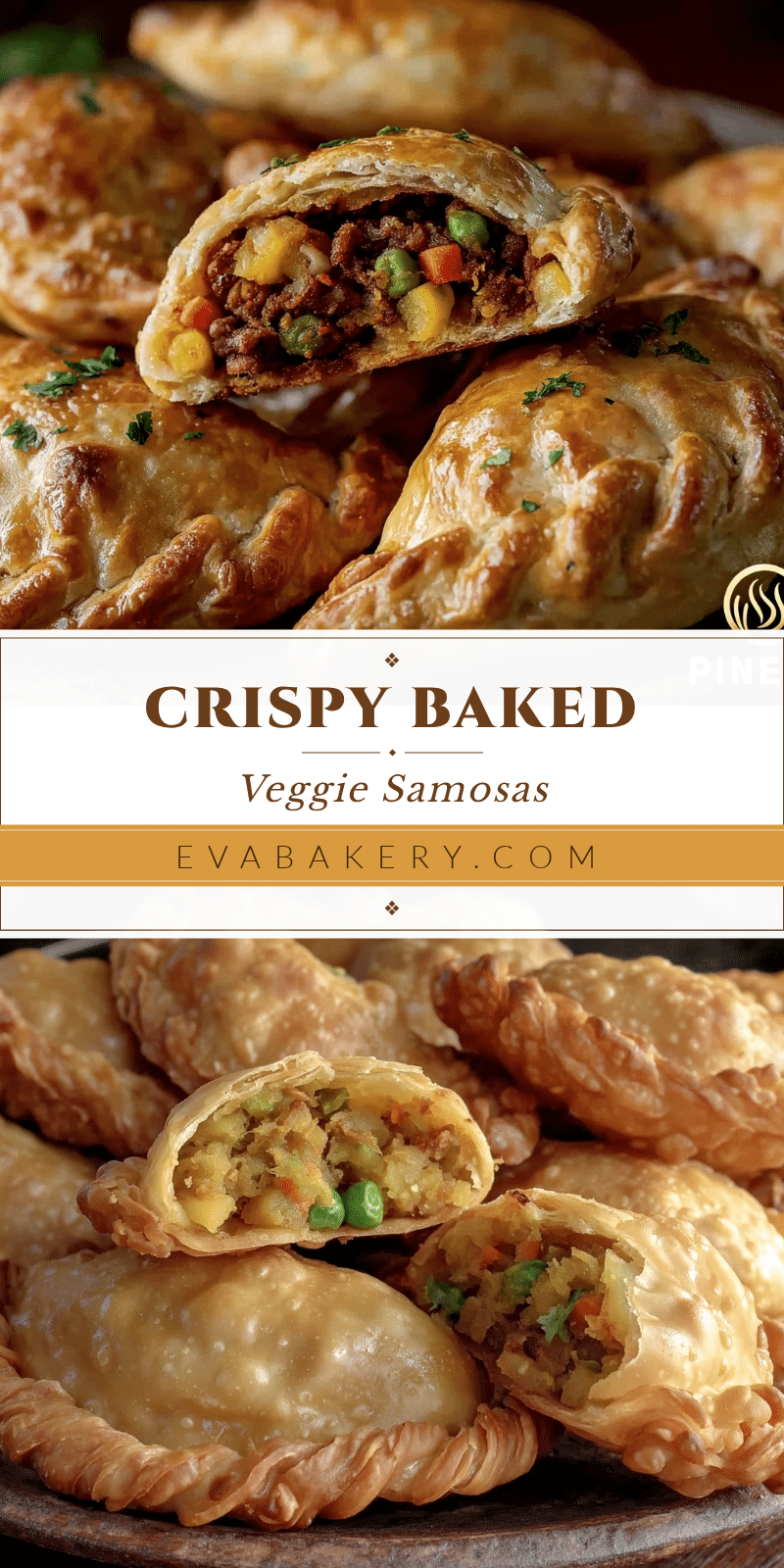
This vegetable samosas baked recipe gives you that golden, crunchy pastry you love, but without the deep-fried guilt. The filling is packed with fresh veggies, warming spices, and just enough heat to keep things interesting but not overwhelming. It’s the kind of snack you can pull together quickly for a family gathering, a weeknight appetizer, or even a cozy weekend treat.
And honestly, once you bite into one, you might find yourself craving these samosas as much as I do—just a heads-up.
Why This Recipe Works
Real talk: baked samosas often get a bad rap for being dry or lacking that satisfying crunch you get from frying. But this recipe? It’s different.
- Crispy, flaky pastry without frying — I’ve tried everything from store-bought puff pastry to homemade dough, and the key is a simple, buttery dough rolled thin and brushed with just the right amount of oil. It bakes up golden and flaky every time, no grease splatters required.
- Flavor-packed vegetable filling — The filling isn’t just veggies thrown together. It’s a carefully balanced mix of potatoes, peas, carrots, and warming spices like cumin, coriander, and a touch of garam masala. The veggies are cooked just right—soft but not mushy—so every bite bursts with flavor.
- Family-friendly and customizable — My kids love these samosas, and I’ve adjusted the spice level so it’s mild enough for little ones but still tasty for adults. Plus, you can swap in your favorite veggies or add some heat if you’re feeling bold.
- Perfect for meal prep and parties — These samosas freeze beautifully and reheat quickly in the oven. I often make a batch ahead of time for weekend snacks or to bring to a potluck. They’re always the first to disappear.
- Less mess, less fuss — No frying means no oil splatters, no heavy cleanup, and a lighter dish overall. You get the best of both worlds—taste and convenience.
Honestly, once you try these baked vegetable samosas, you might never want to deep fry them again.
Ingredients Breakdown
Here’s the thing about this recipe: most of the ingredients are pantry staples, but I’m picky about a few key items because they make or break the final texture and flavor.
For the Dough:
- All-purpose flour (2 cups / 240g) — The base of the dough. This gives the samosas structure and that flaky texture. I stick with regular all-purpose flour here because it’s easy to work with and gives the best balance of tenderness and crispness.
- Cold butter (6 tablespoons / 85g, cubed) — The secret weapon for flaky pastry. Cold butter creates little pockets in the dough while baking, which puff up and give that irresistible flakiness. I use unsalted so I can control the salt level.
- Cold water (about ½ cup / 120ml) — Binds the dough together. Add gradually to avoid a sticky mess. Cold water keeps the butter from melting prematurely, which is key for flaky layers.
- Salt (½ teaspoon) — Enhances flavor in the dough. Don’t skip it!
For the Vegetable Filling:

- Potatoes (2 medium, about 300g, peeled and diced) — The filling’s hearty base. I boil them until just tender so they hold their shape but mash easily when mixed.
- Frozen peas (½ cup / 75g) — Adds sweetness and color. I always keep a bag in the freezer for recipes like this.
- Carrots (1 medium, finely diced) — Adds crunch and sweetness. Finely chopping them ensures they cook evenly and blend well with the potatoes.
- Onion (1 small, finely chopped) — Brings savory depth. I sauté it until translucent for sweetness.
- Garlic (2 cloves, minced) — Adds aromatic richness.
- Fresh ginger (1 tablespoon, minced) — Gives the filling a bright, zesty kick.
- Spices — Cumin seeds (1 teaspoon), ground coriander (1 teaspoon), garam masala (½ teaspoon), turmeric (¼ teaspoon), and red chili powder (¼ teaspoon, optional). These spices build layers of flavor without overpowering.
- Fresh cilantro (2 tablespoons, chopped) — Stirred in at the end for freshness.
- Salt and pepper — To taste.
- Oil (2 tablespoons) — For sautéing. Neutral oil like vegetable or canola works fine.
Optional Add-ins:
- Green chilies (1 small, finely chopped) — For extra heat if you like it spicy.
- Cashews (¼ cup, chopped and toasted) — Adds crunch and richness.
Quick note: If you want a shortcut, you can use store-bought puff pastry instead of making the dough from scratch. It’s not quite the same, but it still bakes up beautifully and saves time.
Equipment You’ll Need
You don’t need a fancy kitchen to make these vegetable samosas baked to perfection. Here’s what I use every time:
- Mixing bowls — One for the dough, one for the filling. Easy and keeps things clean.
- Rolling pin — To roll out the dough thinly. If you don’t have one, a clean wine bottle works in a pinch.
- Baking sheet — For baking the samosas. I line mine with parchment paper to avoid sticking and make cleanup a breeze.
- Pastry brush — To brush oil or egg wash on the samosas for that golden crust.
- Skillet or sauté pan — For cooking the filling.
- Sharp knife — For chopping veggies and cutting dough.
Optional but handy:
- Food processor — For making the dough faster, but mixing by hand works just fine.
- Cooling rack — Helps the samosas stay crisp as they cool.
Step-by-Step Instructions
Alright, let’s get into how to make these vegetable samosas baked till golden and flaky. I’m walking you through every step, including the little tips that make a big difference.
- Make the dough (10 minutes + chilling)
In a large bowl, combine the all-purpose flour and salt. Add the cold, cubed butter and use your fingertips to rub it into the flour until the mixture resembles coarse crumbs with pea-sized bits of butter visible. Don’t overwork it—those butter bits are what create flakiness.
Gradually add cold water, a tablespoon at a time, mixing gently with a fork or your hand until the dough just comes together. It should be soft but not sticky.
Form the dough into a ball, wrap it in plastic wrap, and chill in the fridge for at least 30 minutes. This resting time firms up the butter and relaxes the gluten for easier rolling. - Prepare the filling (15-20 minutes)
While the dough chills, boil the diced potatoes in salted water until just tender (about 8-10 minutes). Drain and set aside.
Heat oil in a skillet over medium heat. Add cumin seeds and let them sizzle for 30 seconds.
Add chopped onion, garlic, and ginger. Sauté until the onion is translucent and fragrant (about 4-5 minutes).
Stir in carrots and cook for another 3 minutes.
Add peas, boiled potatoes, and all the ground spices (coriander, garam masala, turmeric, chili powder). Mix well and cook for 5 minutes, stirring occasionally.
Season with salt and pepper, turn off heat, and stir in chopped fresh cilantro. Let the filling cool slightly. - Roll and shape the samosas (20-25 minutes)
Preheat your oven to 400°F (200°C). Line a baking sheet with parchment paper.
Divide the dough into 8 equal portions. On a lightly floured surface, roll each portion into a thin oval or circle, about 6 inches in diameter.
Cut each circle in half to form two semi-circles.
Take one semi-circle, brush the straight edge lightly with water, and fold it into a cone shape, pressing the edges together to seal.
Fill the cone with 2-3 tablespoons of the vegetable filling.
Brush the open edges with water and pinch them together tightly to seal the samosa. Repeat with remaining dough and filling. - Bake the samosas (20-25 minutes)
Place the samosas on the prepared baking sheet, spacing them about 1 inch apart.
Lightly brush the samosas with oil or an egg wash (1 beaten egg with a splash of water) for a golden finish.
Bake for 20-25 minutes, turning them halfway through, until the pastry is crisp and golden brown.
Remove from oven and let cool slightly on a wire rack before serving.
Total time: About 1 hour, including chilling.
Expert Tips & Troubleshooting
Making samosas can feel intimidating, but these tips will save you from the headaches I’ve had:
- Keep the butter cold when making dough. Warm butter makes the dough sticky and tough instead of flaky. Work quickly and chill the dough well.
- Don’t overfill the samosas. Use just enough filling to stuff the cone without bursting the pastry. Overfilling leads to breaks and leaks.
- Seal edges with water, not flour paste. Water works great and doesn’t add extra flavor or change the texture.
- Brush with oil or egg wash. This gives the samosas that beautiful golden color and extra crispness.
- If the edges crack while rolling, let the dough rest longer. Dry dough is brittle; a quick rest fixes that.
- Use a hot, preheated oven. Baking at 400°F gets the pastry crisp quickly without drying the filling.
- Don’t skip the cooling step. Samosas are easier to handle and taste better after resting for 10 minutes.
If you find your samosas aren’t as crispy as you hoped, try baking them a few minutes longer or placing them on a wire rack to allow air circulation underneath.
Variations & Substitutions
Once you have the basic vegetable samosas baked recipe down, you can get creative:
- Spicy kick: Add finely chopped green chilies or a pinch of cayenne pepper to the filling for extra heat.
- Cheese lovers: Mix in some crumbled paneer or shredded mozzarella with the veggies for a melty surprise.
- Gluten-free dough: Use a gluten-free flour blend and add xanthan gum to mimic the stretchy texture. Dough will be a bit more delicate but still works.
- Sweet potato filling: Swap potatoes for mashed sweet potatoes and add a dash of cinnamon for a sweeter, autumnal version.
- Use phyllo or puff pastry: For a shortcut, wrap the filling in store-bought phyllo sheets or puff pastry. Bake as directed but watch carefully as baking time may be shorter.
- Muffin tin samosas: Instead of shaping cones, press the dough into muffin tins and fill with the veggie mixture. Fold over, seal, and bake for easy bites.
If you want some inspiration for pairing these samosas at your next party, I love serving them alongside my refreshing champagne punch or with a platter of crispy prosciutto-wrapped asparagus bites. Both balance the spices beautifully!
Serving & Storage
I usually serve these vegetable samosas warm, fresh out of the oven, with a side of tangy tamarind chutney or cooling mint yogurt dip. But they’re just as good at room temperature, making them perfect for picnics or packed lunches.
Storage:
- Room temperature: Store samosas in an airtight container for up to 2 days. They’ll lose some crispness but still taste great.
- Refrigerator: Keep in an airtight container for 3-4 days. Reheat in the oven at 350°F (175°C) for 10 minutes to bring back crispness.
- Freezer: Freeze uncooked samosas on a baking sheet until solid, then transfer to a freezer bag. Bake directly from frozen, adding 5-7 minutes to baking time. They freeze really well and are great for meal prep.
If you want to refresh leftover samosas, avoid the microwave unless you’re in a rush—it makes the pastry soggy. Instead, reheat in a toaster oven or air fryer for best results.
Nutrition Information
Here’s a rough estimate per samosa (based on 12 servings):
| Calories | 150 |
|---|---|
| Protein | 3g |
| Carbohydrates | 22g |
| Dietary Fiber | 3g |
| Sugars | 3g |
| Total Fat | 6g |
| Saturated Fat | 3.5g |
| Sodium | 180mg |
This recipe provides a balanced snack with complex carbs and healthy fats from the butter. The vegetable filling adds fiber and vitamins. Just remember, these are still indulgent treats—best enjoyed in moderation!
Final Thoughts
So there you have it: vegetable samosas baked with a crispy, flaky pastry that your whole family will crave. I know I’ve rambled on about the details, but when a recipe hits just right, I can’t help myself. This one is my go-to for gatherings, snack cravings, or when I want to impress without sweating over a fryer.
The best part? You can make these your own. Play with the filling, try different spice blends, or swap the dough for puff pastry if you’re short on time. Either way, you’ll end up with a golden, crunchy treat that’s as satisfying as it is delicious.
I’d love to hear how your samosas turn out or what variations you tried. Drop a comment below—I check them daily and am always happy to help troubleshoot or share tips.
Happy baking! And if your kitchen smells half as amazing as mine does right now, you’re in for a real treat.
FAQs
Can I use store-bought puff pastry instead of making dough?
Yes! Puff pastry works great and saves loads of time. Just thaw it according to package instructions and cut into circles or squares to wrap the filling. The texture is a bit different—lighter and flakier—but still delicious. Keep an eye on baking time; it might be shorter since puff pastry browns faster.
How do I keep samosas from bursting open while baking?
Make sure you don’t overfill the samosas and seal the edges well with water. Press edges firmly and pinch tightly. Also, rolling the dough evenly and not too thin helps it hold the filling better. If you see cracks forming, the dough might be too dry—try resting it a bit longer next time.
Can I make the filling ahead of time?
Absolutely. The filling stores well in the fridge for 2-3 days. Just cool it completely before storing, and assemble the samosas when you’re ready. This makes it easy to prep samosas quickly for parties or snacks.
How do I reheat leftover samosas without losing crispiness?
Oven or toaster oven reheating is best. Preheat to 350°F (175°C) and warm for 8-10 minutes. This crisps the pastry back up without drying out the filling. Avoid microwaving unless you’re in a rush—it tends to make the pastry soggy.
Can I freeze assembled samosas before baking?
Yes! Place assembled samosas on a parchment-lined baking sheet and freeze until solid (about 1-2 hours). Then transfer to a freezer bag. When ready to bake, no need to thaw—just add 5-7 minutes to the baking time. This is my favorite way to meal prep.
What’s the best way to adjust the spice level for kids?
Keep the chili powder low or omit it entirely for a milder version. You can also reduce garam masala or add a pinch of sugar to balance the flavors. The filling still tastes delicious and comforting without the heat.
Can I make samosas with gluten-free flour?
Yes, with some tweaks. Use a 1:1 gluten-free baking flour blend that contains xanthan gum. The dough will be more delicate, so handle gently. You might want to chill the dough longer and roll it thicker to prevent cracking. The texture won’t be exactly the same but still tasty.
Pin This Recipe!
Vegetable Samosas Baked Recipe Easy Crispy Flaky Pastry Your Family Will Crave

A baked version of vegetable samosas with crispy, flaky pastry and a flavorful vegetable filling, perfect for family-friendly snacks without the mess of frying.
- Prep Time: 40 minutes
- Cook Time: 25 minutes
- Total Time: 1 hour
- Yield: 12 samosas 1x
- Category: Appetizer
- Cuisine: Indian
Ingredients
- 2 cups (240g) all-purpose flour
- 6 tablespoons (85g) cold unsalted butter, cubed
- ½ cup (120ml) cold water, approximately
- ½ teaspoon salt
- 2 medium potatoes (about 300g), peeled and diced
- ½ cup (75g) frozen peas
- 1 medium carrot, finely diced
- 1 small onion, finely chopped
- 2 cloves garlic, minced
- 1 tablespoon fresh ginger, minced
- 1 teaspoon cumin seeds
- 1 teaspoon ground coriander
- ½ teaspoon garam masala
- ¼ teaspoon turmeric
- ¼ teaspoon red chili powder (optional)
- 2 tablespoons neutral oil (vegetable or canola)
- 2 tablespoons fresh cilantro, chopped
- Salt and pepper to taste
- Optional add-ins: 1 small green chili, finely chopped; ¼ cup cashews, chopped and toasted
- Optional for brushing: oil or egg wash (1 beaten egg with a splash of water)
Instructions
- Make the dough: In a large bowl, combine all-purpose flour and salt. Add cold, cubed butter and rub into the flour with fingertips until mixture resembles coarse crumbs with pea-sized butter bits.
- Gradually add cold water, one tablespoon at a time, mixing gently until dough just comes together. Form into a ball, wrap in plastic wrap, and chill in fridge for at least 30 minutes.
- Prepare the filling: Boil diced potatoes in salted water until just tender (8-10 minutes). Drain and set aside.
- Heat oil in a skillet over medium heat. Add cumin seeds and let sizzle for 30 seconds.
- Add chopped onion, garlic, and ginger; sauté until onion is translucent (4-5 minutes).
- Add carrots and cook for 3 minutes.
- Add peas, boiled potatoes, ground coriander, garam masala, turmeric, and chili powder; mix well and cook for 5 minutes, stirring occasionally.
- Season with salt and pepper, turn off heat, and stir in chopped cilantro. Let filling cool slightly.
- Preheat oven to 400°F (200°C). Line a baking sheet with parchment paper.
- Divide dough into 8 equal portions. Roll each portion into a thin oval or circle about 6 inches in diameter on a lightly floured surface.
- Cut each circle in half to form two semi-circles.
- Take one semi-circle, brush the straight edge lightly with water, and fold into a cone shape, pressing edges to seal.
- Fill cone with 2-3 tablespoons of vegetable filling.
- Brush open edges with water and pinch tightly to seal. Repeat with remaining dough and filling.
- Place samosas on prepared baking sheet about 1 inch apart.
- Lightly brush samosas with oil or egg wash for golden finish.
- Bake for 20-25 minutes, turning halfway through, until pastry is crisp and golden brown.
- Remove from oven and let cool slightly on a wire rack before serving.
Notes
[‘Keep butter cold when making dough to ensure flakiness.’, ‘Do not overfill samosas to prevent bursting during baking.’, ‘Seal edges with water, not flour paste.’, ‘Brush samosas with oil or egg wash for a golden, crispy crust.’, ‘If dough cracks while rolling, let it rest longer.’, ‘Use a hot, preheated oven at 400°F for best crispness.’, ‘Cool samosas on a wire rack before serving to maintain crispiness.’, ‘Samosas freeze well; bake directly from frozen adding 5-7 minutes to baking time.’, ‘Reheat leftover samosas in oven or toaster oven to retain crispiness; avoid microwave.’]
Nutrition
- Serving Size: 1 samosa
- Calories: 150
- Sugar: 3
- Sodium: 180
- Fat: 6
- Saturated Fat: 3.5
- Carbohydrates: 22
- Fiber: 3
- Protein: 3
Keywords: vegetable samosas, baked samosas, crispy samosas, flaky pastry, Indian snacks, vegetarian appetizer, easy samosas, healthy samosas