Dripping ketchup onto the counter while simultaneously trying to keep a toddler from unrolling the toilet paper for the third time that morning—that’s where this recipe started. I had a pound and a half of ground beef thawing in the sink, a half-empty bottle of brown sugar from last Christmas baking, and absolutely no plan for dinner. My mom used to make meatloaf every other Tuesday like clockwork, but hers was always… fine. Edible. A little dry. The kind of thing you ate because it was on your plate, not because you craved it.
I wanted something different. Something that made people actually look forward to meatloaf night. So I started experimenting, and honestly, the first few tries were disasters. Too wet, too dry, fell apart on the cutting board like a sandcastle at high tide. But then I remembered this brown sugar glaze my aunt used on ham for Easter—sticky, sweet, with just a hint of tang from mustard. I figured, why not try it on meatloaf? Best decision I ever made in a kitchen full of bad ones.
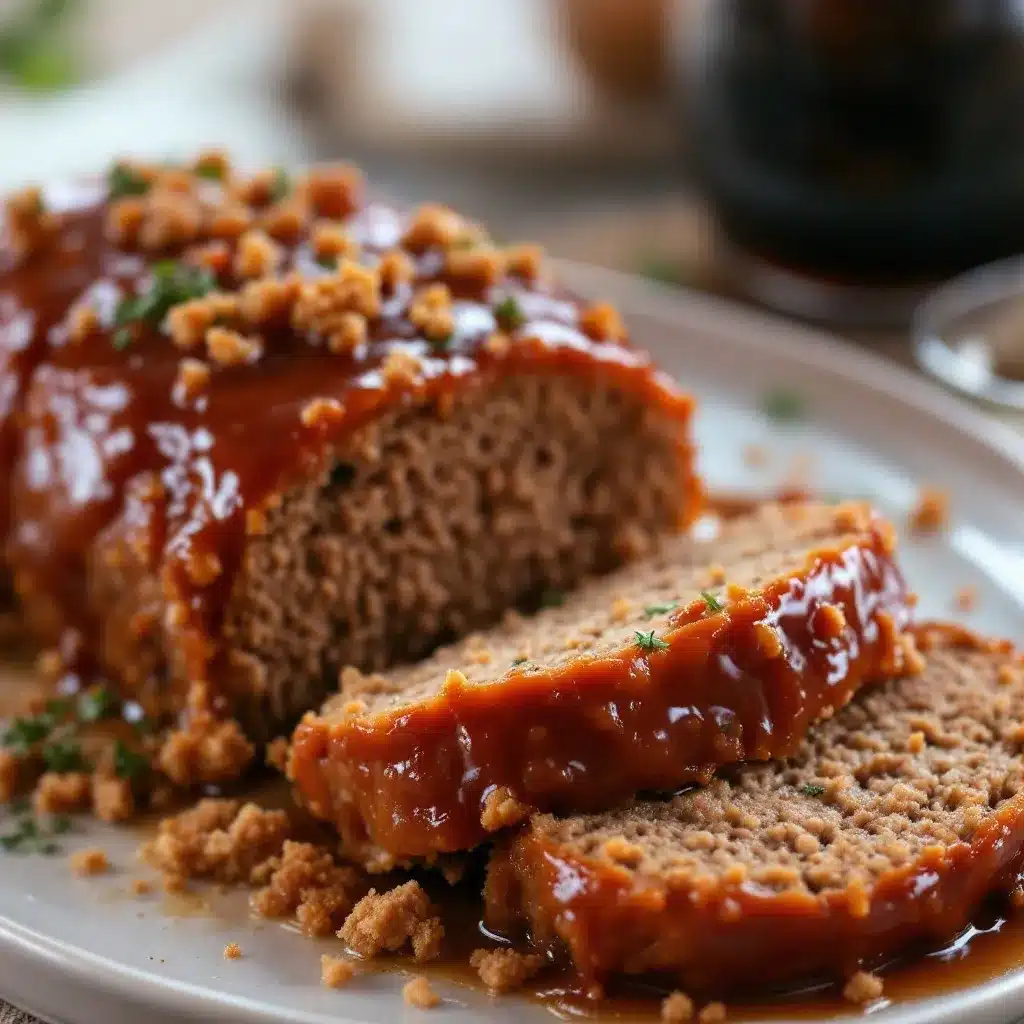
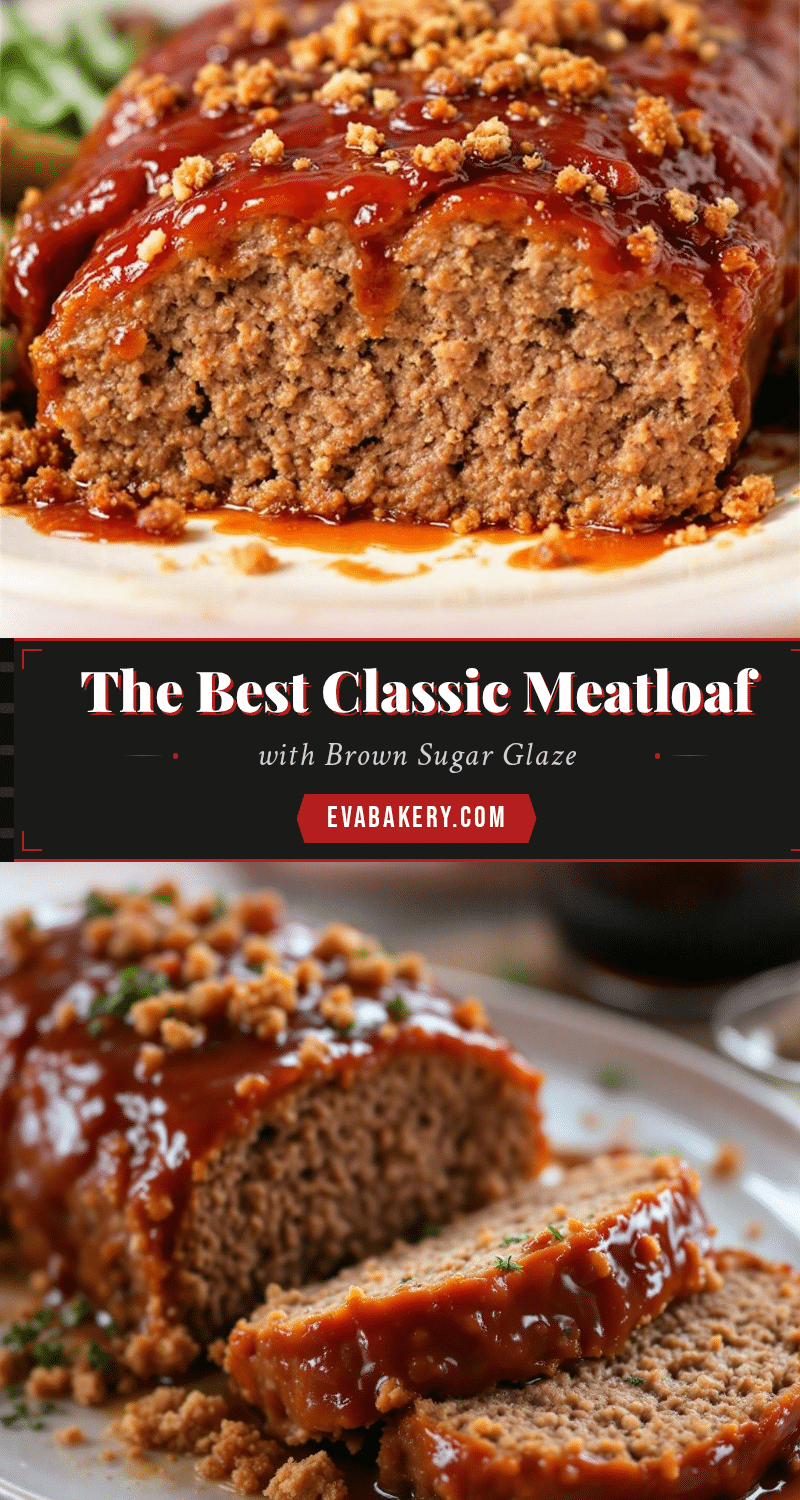
This Best Classic Meatloaf with Brown Sugar Glaze is the one that finally got my family to stop groaning when I said “meatloaf.” It’s juicy, it’s flavorful, and that glaze? It caramelizes on top into this almost-candied crust that makes every bite worth waiting for. No dry, sad meatloaf here. Just the kind of dinner that makes you close your eyes for a second after that first forkful.
Why You’ll Love This Recipe
After testing this recipe about seven times (my neighbors were very happy recipients), I can tell you with confidence—this is the one. Here’s why this Best Classic Meatloaf with Brown Sugar Glaze is going to become your new go-to:
- Incredibly Juicy: The secret is a panade—a mixture of milk and breadcrumbs that keeps the meat tender and moist. No more dry, crumbly meatloaf.
- That Brown Sugar Glaze: Sweet, tangy, and sticky. It bakes into a beautiful caramelized crust that adds texture and flavor you just can’t get from plain ketchup.
- Simple Pantry Ingredients: You probably already have everything you need. Ground beef, eggs, breadcrumbs, ketchup, brown sugar—nothing fancy required.
- Perfect for Weeknights: About 15 minutes of hands-on prep, then the oven does the work. You can make a salad or roast some veggies while it bakes.
- Crowd-Pleaser: Kids love the sweet glaze, adults love the savory-sweet balance. It’s one of those rare dishes that makes everyone at the table happy.
- Leftovers Are Amazing: Cold meatloaf sandwiches the next day? Yes, please. Slice it thick, put it on bread with a little mayo—pure comfort.
This isn’t just another meatloaf recipe. It’s the one that changed my mind about meatloaf entirely. It’s comfort food that actually delivers on the promise—satisfying, nostalgic, but somehow better than you remember.
What Ingredients You Will Need
This recipe uses simple, everyday ingredients that work together to create something special. The magic is in the combination and the technique, not in hard-to-find items.
- Ground Beef (1 ½ lbs / 680g): I recommend 80/20 ground chuck. The fat content keeps the meatloaf moist and flavorful. Leaner blends (like 93/7) will result in a drier loaf, so stick with 80/20 if you can. I’ve tested this with ground turkey too, and it works—just add an extra tablespoon of olive oil to compensate for the lack of fat.
- Breadcrumbs (¾ cup / 90g): Plain or Italian-style both work. Panko breadcrumbs give a lighter texture, while traditional breadcrumbs make it a bit denser. I’ve used both and honestly prefer panko for the texture.
- Whole Milk (½ cup / 120ml): This soaks into the breadcrumbs to create a panade, which is the secret to a tender meatloaf. You can use 2% milk or even unsweetened almond milk in a pinch, but whole milk gives the best results.
- Large Eggs (2): They bind everything together. Make sure they’re at room temperature so they mix in evenly.
- Yellow Onion (1 medium, finely diced): About 1 cup. Sauté it first until translucent—raw onion releases too much water and can make the meatloaf soggy. I learned this the hard way.
- Garlic (3 cloves, minced): Fresh garlic is best. The jarred stuff works in a pinch, but fresh gives a brighter flavor.
- Ketchup (⅓ cup / 80ml): For the meat mixture. It adds sweetness and acidity. I use Heinz, but any brand works.
- Worcestershire Sauce (2 tablespoons / 30ml): Adds deep umami flavor. Don’t skip it—it makes a difference. Lea & Perrins is my go-to.
- Dijon Mustard (1 tablespoon / 15ml): Adds a subtle tang that balances the sweetness of the glaze. You can use yellow mustard in a pinch.
- Dried Thyme (1 teaspoon): Earthy and aromatic. Fresh thyme works too—use 1 tablespoon, finely chopped.
- Salt (1 ½ teaspoons) and Black Pepper (½ teaspoon): Season generously. Meatloaf can be bland if you skimp on salt.
For the Brown Sugar Glaze:
- Ketchup (½ cup / 120ml): The base of the glaze.
- Brown Sugar (⅓ cup / 70g, packed): Light or dark brown sugar works. Dark brown sugar gives a deeper, more molasses-like flavor.
- Apple Cider Vinegar (1 tablespoon / 15ml): Adds acidity to balance the sweetness. White vinegar works too.
- Dijon Mustard (1 teaspoon): For a little kick.
- Garlic Powder (½ teaspoon): Adds savory depth to the sweet glaze.
Equipment Needed
You don’t need a lot of fancy equipment for this one. Here’s what you’ll need:
- Large Mixing Bowl: Big enough to get your hands in there and mix everything together. I use a stainless steel bowl—it’s lightweight and easy to clean.
- 9×5-inch Loaf Pan: The standard size for meatloaf. If you don’t have one, you can shape the meatloaf free-form on a lined baking sheet. I actually prefer the baking sheet method sometimes because the glaze caramelizes on the sides too.
- Baking Sheet (optional but recommended): If you shape the meatloaf free-form, line a baking sheet with parchment paper or foil for easy cleanup.
- Chef’s Knife and Cutting Board: For dicing the onion and mincing the garlic. A sharp knife makes the job faster and safer.
- Small Skillet: For sautéing the onion and garlic. A non-stick or stainless steel pan works fine.
- Small Bowl: For mixing the glaze ingredients together.
- Pastry Brush or Spoon: For applying the glaze. A brush gives a more even coat, but a spoon works just fine.
- Meat Thermometer (optional but recommended): To check for doneness. The USDA recommends 160°F (71°C) for ground beef. I pull mine at 155°F and let it rest—it continues cooking and stays juicier.
- Parchment Paper or Aluminum Foil: For lining the pan or baking sheet. Makes cleanup so much easier.
I’ve made this meatloaf with just a bowl, a knife, and a loaf pan. It’s not complicated. But a meat thermometer? That’s the one thing I’d recommend buying if you don’t have one. It takes the guesswork out of cooking meat.
Preparation Method
Let me walk you through this step by step. Trust me, it’s easier than you think.
- Preheat your oven to 350°F (175°C). Line your loaf pan with parchment paper, leaving some overhang on the sides—this makes lifting the meatloaf out so much easier. Or line a baking sheet with foil if you’re going free-form.
- Sauté the aromatics. Heat 1 tablespoon of olive oil in a small skillet over medium heat. Add the finely diced onion and cook for 4-5 minutes until translucent and soft. Add the minced garlic and cook for another 30 seconds until fragrant. Set aside to cool slightly. This step is important—raw onion releases too much moisture and can make your meatloaf soggy.
- Make the panade. In your large mixing bowl, combine the breadcrumbs and milk. Let it sit for 5 minutes until the breadcrumbs have absorbed the milk and become a thick paste. This is your panade, and it’s the secret to a tender meatloaf.
- Mix the meatloaf base. To the panade, add the eggs, ketchup, Worcestershire sauce, Dijon mustard, dried thyme, salt, and pepper. Whisk together until well combined. Add the cooled sautéed onions and garlic.
- Add the ground beef. Crumble the ground beef into the bowl. Using your hands (I promise, it’s the best way), gently mix everything together. Don’t overmix—you want to combine it just until no streaks of raw meat remain. Overworking the meat makes it tough. Your hands should feel the mixture coming together, but stop the moment it’s uniform.
- Shape the meatloaf. Transfer the mixture to your prepared loaf pan and press it gently into an even shape. Don’t pack it down too firmly—you want it to hold together, not be dense. If using a baking sheet, shape it into a loaf about 8 inches long and 4 inches wide.
- Make the glaze. In a small bowl, whisk together the ketchup, packed brown sugar, apple cider vinegar, Dijon mustard, and garlic powder until smooth. It should be thick but spreadable.
- Apply the first layer of glaze. Spread about half of the glaze evenly over the top and sides of the meatloaf. Reserve the remaining glaze for later.
- Bake for 45 minutes. Place the meatloaf on the middle rack. After 45 minutes, remove it from the oven and apply the remaining glaze. Return to the oven and bake for another 15-20 minutes, until the internal temperature reaches 155°F (68°C) for medium-well. The glaze should be bubbly and caramelized.
- Rest before slicing. This is crucial. Let the meatloaf rest in the pan for 10-15 minutes. During this time, the internal temperature will rise to 160°F (71°C), and the juices will redistribute throughout the loaf. If you slice it too soon, it will fall apart.
- Slice and serve. Use the parchment paper to lift the meatloaf out of the pan. Transfer to a cutting board and slice into 1-inch thick pieces. Spoon any juices from the pan over the slices.
Sensory cue: When it’s done, the glaze should be sticky and dark, almost like a candy coating. The meatloaf should be firm to the touch but still give slightly when pressed. When you slice into it, the interior should be moist but not raw-looking, with no pink remaining.
Cooking Tips & Techniques
I’ve made enough meatloaf to fill a small freezer, and I’ve learned a few things along the way. Here are my best tips:
- Don’t skip the panade. This mixture of breadcrumbs and milk is what keeps your meatloaf from turning into a dry, crumbly mess. It’s non-negotiable. I once tried to skip it because I was out of milk, and the result was a sad, dense brick of disappointment.
- Use a light touch when mixing. Overmixing ground meat develops the proteins and makes it tough. Mix just until combined—stop the moment you don’t see any more streaks of raw meat. Your hands are the best tool for this because you can feel when it’s ready.
- Let it rest. I cannot stress this enough. The 10-minute rest is not optional. It’s the difference between a meatloaf that holds together beautifully and one that crumbles into a pile of sad meat chunks on your plate.
- Double the glaze. Seriously. Make extra and serve it on the side. People love to spoon extra glaze over their slices. I’ve started making 1.5x the glaze recipe just to have extra for dipping.
- Line your pan. Parchment paper with overhang makes lifting the meatloaf out so much easier. No more fighting to get the first slice out of the pan. Foil works too, but parchment doesn’t stick as much.
- Check the temperature. A meat thermometer is your best friend here. Insert it into the center of the loaf—if it reads 155°F (68°C), you’re good to pull it out and let it rest. It will climb to 160°F (71°C) during resting.
- Watch for grease. If you’re using 80/20 beef, there will be some rendered fat in the pan. You can pour it off before glazing the second time, or just let it cook off. If you’re baking on a sheet pan, the fat will spread out and crisp up the edges—which is actually delicious.
Variations & Adaptations
One of the best things about this Best Classic Meatloaf with Brown Sugar Glaze is how adaptable it is. Here are some variations I’ve tried and loved:
- Turkey Meatloaf: Swap the ground beef for ground turkey (93/7 blend works best). Add 2 tablespoons of olive oil to the mixture to keep it moist. Turkey meatloaf can be drier, so watch the internal temperature—pull it at 160°F (71°C) and let it rest.
- Gluten-Free Version: Use gluten-free breadcrumbs or crushed gluten-free crackers (I like almond flour crackers). The panade works the same way. Make sure your Worcestershire sauce is gluten-free—Lea & Perrins is, but some brands aren’t.
- Spicy Kick: Add 1-2 tablespoons of sriracha or your favorite hot sauce to the meat mixture, and a pinch of cayenne pepper to the glaze. The sweet-spicy combination is amazing. I did this for a Super Bowl party and it disappeared in minutes.
- Cheese-Stuffed Meatloaf: Press half the meat mixture into the pan, create a shallow well down the center, and fill it with shredded cheddar or mozzarella. Top with the remaining meat mixture and seal the edges. The cheese melts into a gooey center. It’s indulgent and so good.
- Bacon-Wrapped Meatloaf: After shaping the meatloaf, wrap 4-5 slices of bacon around it, tucking the ends underneath. The bacon adds smoky flavor and keeps the meatloaf extra moist. Bake as directed—the bacon will crisp up nicely.
- Mini Meatloaves: Divide the mixture into a 12-cup muffin tin (greased or lined with parchment strips). Bake for 20-25 minutes at 350°F (175°C), glazing halfway through. Perfect for portion control or meal prep. Kids love these.
- Italian-Style: Add 1 teaspoon dried oregano, ½ teaspoon dried basil, and ¼ cup grated Parmesan cheese to the meat mixture. Swap the brown sugar glaze for a simple tomato-basil sauce on top.
Serving & Storage Suggestions
This meatloaf is versatile enough for a casual weeknight dinner or a special Sunday supper. Here’s how to serve and store it:
Serving: Slice the meatloaf into 1-inch thick pieces and serve warm, with extra glaze spooned over the top. It pairs beautifully with mashed potatoes (the gravy situation is real), roasted green beans, or a simple side salad. For a cozy meal, I love serving it with fluffy mini quiches on the side for a brunch-style dinner that feels special but isn’t fussy. The meatloaf also makes incredible sandwiches the next day—slice it cold, toast some bread, add a little mayo and maybe some pickles. Pure comfort.
Storage: Let the meatloaf cool completely before storing. Wrap it tightly in plastic wrap or aluminum foil, or place slices in an airtight container. It will keep in the refrigerator for up to 4 days. The flavors actually meld and deepen overnight, so leftovers taste even better the next day.
Freezing: This meatloaf freezes beautifully. You can freeze it whole (wrapped in plastic wrap, then foil, then placed in a freezer bag) for up to 3 months. Or slice it first and freeze individual portions—perfect for quick lunches. To thaw, transfer to the refrigerator overnight. Reheat in a 350°F (175°C) oven for about 15-20 minutes (for slices) or 30-40 minutes (for a whole loaf), covered with foil to prevent drying.
Reheating: The best way to reheat is in the oven. Place slices on a baking sheet, cover loosely with foil, and warm at 300°F (150°C) for 10-15 minutes. The microwave works in a pinch, but the texture won’t be as good. If you’re in a hurry, slice the meatloaf thin and reheat in a skillet over medium heat with a splash of water or beef broth—it steams and reheats evenly.
Nutritional Information & Benefits
Here’s the estimated nutritional breakdown for one serving (1/6 of the recipe, about 6 ounces):
| Nutrient | Amount |
|---|---|
| Calories | 385 |
| Protein | 28g |
| Fat | 22g |
| Saturated Fat | 8g |
| Carbohydrates | 18g |
| Fiber | 1g |
| Sugar | 12g |
| Sodium | 680mg |
This meatloaf is a good source of protein and iron from the beef. The eggs add B vitamins and choline, which supports brain health. The onions and garlic provide antioxidants and anti-inflammatory compounds. While it’s not a low-calorie dish, it’s a satisfying, nutrient-dense meal that fits well into a balanced diet. If you’re watching your sodium, you can reduce the salt to 1 teaspoon and use low-sodium ketchup. For a lighter option, pair it with roasted vegetables instead of mashed potatoes. For a festive gathering, consider serving it alongside elegant caviar deviled eggs for a surf-and-turf appetizer spread that’s sure to impress.
Conclusion
This Best Classic Meatloaf with Brown Sugar Glaze is the recipe that changed my mind about meatloaf. It’s juicy, it’s flavorful, and that sweet-tangy glaze makes every bite feel special. It’s the kind of meal that brings people to the table—no fuss, no stress, just good food made with love.
I really hope you give this one a try. Whether you’re making it for a busy weeknight, a Sunday dinner, or just because you’re craving something comforting, it delivers every time. And don’t be afraid to make it your own—swap in different seasonings, try the bacon-wrapped version, or stuff it with cheese. That’s the beauty of a good meatloaf recipe. It’s forgiving, it’s flexible, and it always tastes better the next day.
If you make this, I’d love to hear how it turned out. Leave a comment below and let me know what you think—did you add any twists? Did the glaze work as well for you as it did for me? And if you’re looking for more comforting classics, check out our full recipe collection for more inspiration. Happy cooking, friends!
Frequently Asked Questions
Can I make this meatloaf ahead of time?
Absolutely. You can assemble the meatloaf (without the glaze) up to 24 hours in advance. Cover it tightly and refrigerate. When you’re ready to bake, add the glaze and follow the baking instructions—you may need to add 5-10 minutes since you’re starting from cold.
Why is my meatloaf falling apart?
Most likely, it’s one of two things: not enough binder (eggs and breadcrumbs) or not letting it rest after baking. Make sure you’re using the full amount of panade and let the meatloaf rest for at least 10 minutes before slicing. If it’s still falling apart, try adding an extra egg next time.
Can I use ground pork or a meatloaf mix?
Yes! A mix of ground beef, pork, and veal (often sold as “meatloaf mix”) works beautifully. The pork adds extra fat and flavor. If using a mix, follow the same recipe—no adjustments needed.
How do I know when the meatloaf is done without a thermometer?
Without a thermometer, look for these signs: the meatloaf should be firm to the touch, the juices should run clear (not pink), and the glaze should be dark and caramelized. A knife inserted into the center should come out hot to the touch. But honestly, a meat thermometer is worth the investment—it takes all the guesswork out.
Can I double this recipe?
Absolutely. Double all the ingredients and bake in two loaf pans, or shape into one large free-form loaf on a baking sheet. If using two pans, bake for the same amount of time. If making one large loaf, add 15-20 minutes to the baking time and check the internal temperature.
Pin This Recipe!
Best Classic Meatloaf with Brown Sugar Glaze
This juicy, flavorful meatloaf features a sweet and tangy brown sugar glaze that caramelizes into an almost-candied crust. Made with simple pantry ingredients, it’s the perfect weeknight dinner that even meatloaf skeptics will love.
- Prep Time: 15 minutes
- Cook Time: 60 minutes
- Total Time: 1 hour 15 minutes
- Yield: 6 servings 1x
- Category: Main Course
- Cuisine: American
Ingredients
- 1 ½ lbs (680g) ground beef (80/20 ground chuck recommended)
- ¾ cup (90g) breadcrumbs (plain or Italian-style; panko preferred)
- ½ cup (120ml) whole milk
- 2 large eggs, room temperature
- 1 medium yellow onion, finely diced (about 1 cup)
- 3 cloves garlic, minced
- ⅓ cup (80ml) ketchup
- 2 tablespoons (30ml) Worcestershire sauce
- 1 tablespoon (15ml) Dijon mustard
- 1 teaspoon dried thyme
- 1 ½ teaspoons salt
- ½ teaspoon black pepper
- 1 tablespoon olive oil (for sautéing)
- For the Brown Sugar Glaze:
- ½ cup (120ml) ketchup
- ⅓ cup (70g) packed brown sugar (light or dark)
- 1 tablespoon (15ml) apple cider vinegar
- 1 teaspoon Dijon mustard
- ½ teaspoon garlic powder
Instructions
- Preheat oven to 350°F (175°C). Line a 9×5-inch loaf pan with parchment paper, leaving overhang on the sides, or line a baking sheet with foil for free-form shaping.
- Heat 1 tablespoon olive oil in a small skillet over medium heat. Add finely diced onion and cook for 4-5 minutes until translucent. Add minced garlic and cook for 30 seconds until fragrant. Set aside to cool slightly.
- In a large mixing bowl, combine breadcrumbs and milk. Let sit for 5 minutes until breadcrumbs absorb the milk and form a thick paste (panade).
- To the panade, add eggs, ketchup, Worcestershire sauce, Dijon mustard, dried thyme, salt, and pepper. Whisk until well combined. Stir in cooled sautéed onions and garlic.
- Crumble ground beef into the bowl. Using your hands, gently mix until just combined—no streaks of raw meat remain. Do not overmix.
- Transfer mixture to prepared loaf pan and press gently into an even shape, or shape into an 8×4-inch loaf on the baking sheet. Do not pack too firmly.
- In a small bowl, whisk together glaze ingredients: ketchup, brown sugar, apple cider vinegar, Dijon mustard, and garlic powder until smooth.
- Spread about half of the glaze evenly over the top and sides of the meatloaf. Reserve remaining glaze.
- Bake for 45 minutes. Remove from oven and apply remaining glaze. Return to oven and bake for another 15-20 minutes, until internal temperature reaches 155°F (68°C) for medium-well.
- Let meatloaf rest in the pan for 10-15 minutes. Internal temperature will rise to 160°F (71°C) during resting.
- Use parchment paper to lift meatloaf out of pan. Transfer to cutting board and slice into 1-inch thick pieces. Spoon any pan juices over slices before serving.
Notes
Don’t skip the panade—it keeps the meatloaf moist. Use a light touch when mixing to avoid tough meatloaf. Let the meatloaf rest for at least 10 minutes before slicing. Double the glaze for extra to serve on the side. For turkey meatloaf, add 2 tablespoons olive oil to keep it moist. For gluten-free, use gluten-free breadcrumbs and ensure Worcestershire sauce is gluten-free.
Nutrition
- Serving Size: 1 slice (1/6 of reci
- Calories: 385
- Sugar: 12
- Sodium: 680
- Fat: 22
- Saturated Fat: 8
- Carbohydrates: 18
- Fiber: 1
- Protein: 28
Keywords: meatloaf, brown sugar glaze, classic meatloaf, comfort food, ground beef recipe, easy dinner, weeknight meal