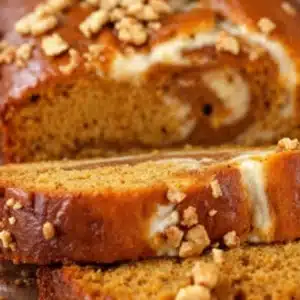
I burned this pumpkin French toast casserole three times before I finally figured out what I was doing wrong. Not slightly-overcooked-the-edges-are-a-tiny-bit-crispy burned. I mean smoke-filling-the-kitchen, scraping-blackened-bits-off-the-dish, ordering-pizza-as-a-backup burned. The first time, I got distracted by a phone call and left it in too long. The second time, I thought I could wing the custard ratio and ended up with something that resembled sweet scrambled eggs more than French toast. The third time, I was so confident I had it right that I invited my in-laws over for brunch. That was the worst one—because I had witnesses.
Here’s the thing about baked French toast casseroles: they look forgiving, but they’re not. They’re finicky about moisture, timing, and temperature in ways that regular stovetop French toast just isn’t. And when you add pumpkin puree into the mix? You’re suddenly dealing with extra density, extra moisture, and a custard that wants to either curdle or turn gummy if you look at it wrong.
I kept coming back to it because I wanted a holiday brunch dish I could make the night before. Something that would let me sleep in on Thanksgiving morning instead of standing at the stove flipping slices of bread while everyone else drank coffee and judged my spatula technique. That’s what I was really after—not just a recipe, but a morning where I got to sit down and enjoy it too.
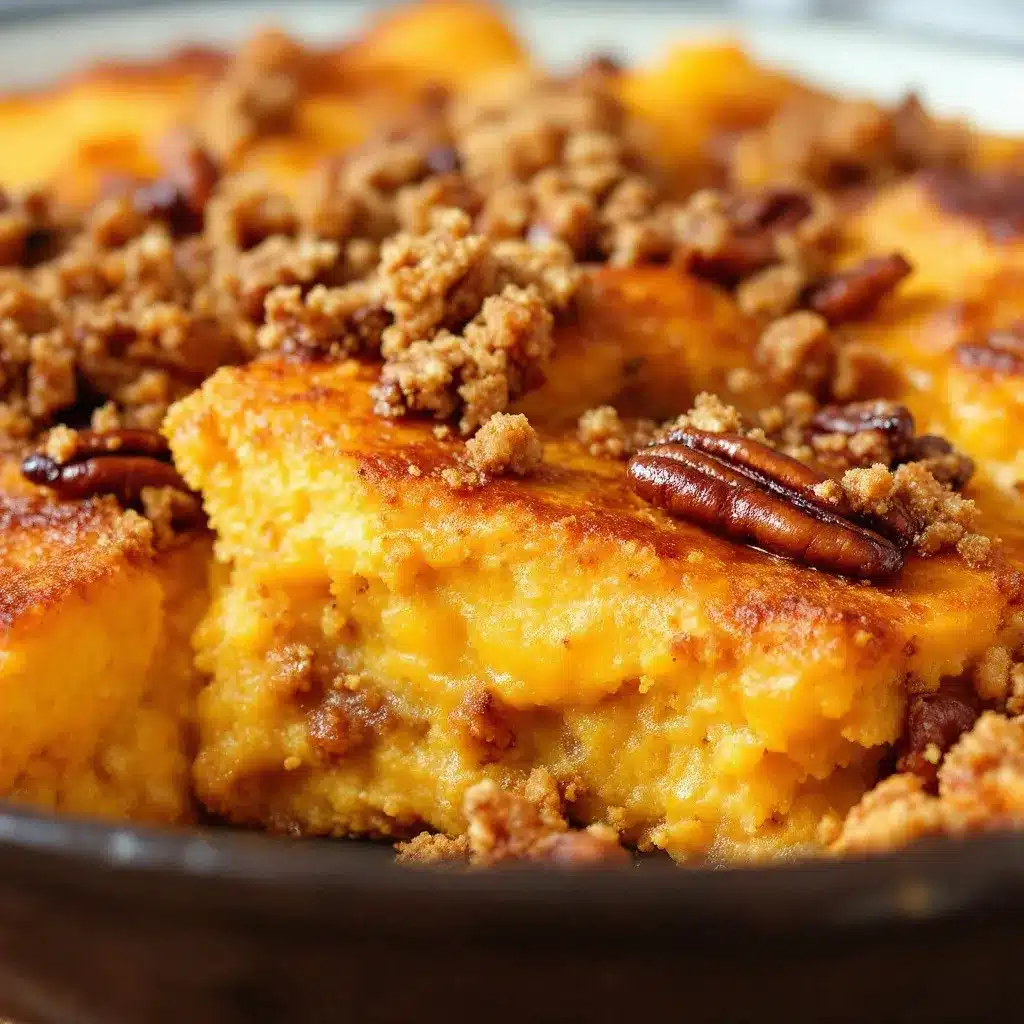
So I went back to basics. I tested the custard ratio seven different times. I tried different breads, different soaking times, different baking temperatures. I wrote down every failure in a notebook that now looks like a crime scene investigation document. And finally, I got it—a baked pumpkin French toast casserole with a pecan streusel topping that actually stays crunchy, a custard that stays creamy, and a flavor that tastes like autumn in a baking dish.
This is that recipe. No smoke alarms required.
Why You’ll Love This Recipe
This isn’t just another breakfast casserole that sounds good on paper but turns out soggy in real life. I’ve tested this thing into the ground, and here’s what makes it worth your time:
- Make-Ahead Magic : Assemble it the night before, pop it in the fridge, and bake it fresh in the morning. You get to be a guest at your own brunch.
- Pumpkin That Actually Works : The pumpkin puree blends into the custard without making it watery or heavy—something I struggled with for weeks before getting the ratio right.
- Crunchy Streusel That Stays Crunchy : Most streusel toppings turn into a sad, soggy paste on baked French toast. This one stays crisp because of how and when you add it. I’ll explain below.
- Simple Pantry Ingredients : Nothing weird. No obscure extracts or specialty flours. You probably have most of this already if you bake even occasionally.
- Crowd-Sized Without the Work : This feeds 8-10 people without you flipping individual slices. Perfect for Thanksgiving brunch, Christmas morning, or any time you have houseguests.
- It Tastes Like Effort (But Isn’t) : The pecan streusel and pumpkin custard look and taste like you spent hours. But honestly? The hardest part is cubing the bread.
I’ve made this for my family’s Christmas brunch two years running now, and my sister—who is brutally honest about food—asked for the recipe both times. That’s my gold standard for approval right there.
What Ingredients You Will Need
This recipe uses straightforward ingredients, but a few of them matter more than you might think. I’ve noted where brand or type actually makes a difference based on my testing.
For the Custard
- 1 cup pumpkin puree (not pumpkin pie filling—make sure it’s 100% pure pumpkin. I prefer Libby’s for consistent texture)
- 1 ½ cups whole milk (2% works in a pinch, but whole milk gives the custard the richness it needs to hold up against the pumpkin)
- ½ cup heavy cream (don’t skip this—the fat content is what keeps the custard creamy instead of rubbery)
- 4 large eggs (room temperature if you remember, straight from the fridge if you don’t—I’ve tested both and the difference is minimal here)
- ½ cup brown sugar (packed. Light or dark both work; dark gives a deeper molasses note)
- 2 teaspoons vanilla extract (real vanilla, not imitation—you’ll taste the difference in a custard this simple)
- 1 ½ teaspoons pumpkin pie spice (store-bought is fine, or make your own with cinnamon, nutmeg, ginger, and cloves)
- ½ teaspoon cinnamon (I add extra because I’m a cinnamon obsessive—adjust to your preference)
- ¼ teaspoon salt (don’t skip this—salt balances the sweetness and makes the pumpkin flavor pop)
For the Bread Base
- 1 loaf (about 12-14 ounces) day-old brioche or challah (this is non-negotiable. Regular sandwich bread turns to mush. A good brioche holds its structure even after soaking overnight. I’ve also used a good-quality French bread in a pinch)
- 2 tablespoons melted butter (for greasing the dish and brushing the bread if you want extra golden edges)
For the Pecan Streusel Topping
- ½ cup all-purpose flour
- ½ cup brown sugar (packed)
- ½ cup rolled oats (old-fashioned, not quick-cooking—they hold up better during baking)
- ½ cup chopped pecans (I like to chop them by hand so I get a mix of fine pieces and chunky bits)
- ½ teaspoon cinnamon
- ¼ teaspoon salt
- 6 tablespoons cold unsalted butter (cut into small cubes)
One note about the pecans: toast them lightly before chopping if you have an extra five minutes. It brings out their oil and makes the streusel taste noticeably more nutty and complex. I’ve forgotten to do this before, and the casserole was still good—but toasting makes it great.
Equipment Needed
You don’t need anything fancy here, which is part of why I love this recipe for holiday mornings when I’m already hauling out roasting pans and serving platters.
- 9×13-inch baking dish (glass or ceramic works best—metal can brown the bottom too quickly)
- Large mixing bowl (for the custard)
- Medium bowl (for the streusel)
- Whisk (a sturdy one—you’re mixing pumpkin into liquid, which takes a bit of elbow grease)
- Pastry cutter or fork (for cutting butter into the streusel. I use my hands half the time because it’s faster)
- Knife and cutting board (for cubing the bread and chopping pecans)
- Plastic wrap or aluminum foil (for covering overnight)
If you don’t have a 9×13, you can use two smaller dishes—just check them earlier since they’ll bake faster. I’ve also made this in a deep 8×8 when I was halving the recipe for a smaller gathering, and it worked fine with a slightly longer bake time.
Preparation Method
Step 1: Prep the Bread
Cut your brioche or challah into 1-inch cubes. Don’t stress about getting them perfectly uniform—a mix of sizes actually gives the casserole better texture. Some pieces stay softer, some get a little crispy on the edges. Spread the cubes on a baking sheet and let them sit out for an hour or two if you have time. If you’re in a hurry (which I usually am), pop them in a 300°F oven for 8-10 minutes to dry them out slightly. You’re not toasting them—just removing some surface moisture so they absorb the custard without turning into paste.
Step 2: Make the Custard
In your large bowl, whisk together the pumpkin puree, whole milk, heavy cream, and eggs until smooth. The pumpkin likes to clump, so really get in there with your whisk—no shame in using a hand mixer if you want to speed things up. Add the brown sugar, vanilla, pumpkin pie spice, cinnamon, and salt. Whisk until everything is fully combined and the sugar has mostly dissolved. Taste the custard (yes, raw egg and all—I do it every time). It should taste slightly too sweet and very spiced. If it tastes bland now, it’ll taste bland after baking.
Step 3: Assemble the Casserole
Grease your 9×13 dish with the melted butter. Spread half the bread cubes evenly in the dish. Pour half the custard over them, pressing down gently with a spatula so every piece gets soaked. Add the remaining bread cubes, then pour the rest of the custard over the top. Press everything down again—gently but firmly. You want the bread to absorb the custard, not swim in it. Cover the dish tightly with plastic wrap and refrigerate for at least 4 hours, or overnight. The longer it sits, the better the custard penetrates the bread.
Step 4: Make the Streusel
In your medium bowl, combine the flour, brown sugar, rolled oats, chopped pecans, cinnamon, and salt. Add the cold butter cubes. Use a pastry cutter, fork, or your fingers to work the butter into the dry ingredients until the mixture looks like coarse sand with some pea-sized butter lumps remaining. Don’t overwork it—you want those little pockets of butter to melt in the oven and create crispy bits. Cover and refrigerate the streusel separately until you’re ready to bake.
Step 5: Bake
When you’re ready to bake, preheat your oven to 350°F. Remove the casserole from the fridge and let it sit on the counter for 20 minutes while the oven heats—this takes the chill off and helps it bake evenly. Sprinkle the cold streusel evenly over the top. Bake for 45-55 minutes, until the center is set (it should jiggle slightly but not slosh) and the top is golden brown. If the streusel is browning too fast, tent loosely with foil for the last 10-15 minutes.
Step 6: Rest and Serve
Let the casserole rest for 10 minutes after it comes out of the oven. I know you want to dig in immediately—I do too—but this rest is crucial. It lets the custard finish setting up so you get clean slices instead of a messy scoop. Serve warm, with maple syrup or a dusting of powdered sugar if you like.
Cooking Tips & Techniques
I learned most of these the hard way, so you don’t have to.
Don’t skip the overnight soak. I tried rushing this once with a 30-minute soak, and the bread was still dry in the middle after baking. The custard needs time to work its way into every nook and cranny of the bread. Four hours is the minimum; overnight is ideal.
Use day-old bread. Fresh brioche is too soft and will disintegrate. Day-old bread has lost just enough moisture to hold its shape while still absorbing the custard. If all you have is fresh bread, cube it and let it sit out uncovered for a few hours.
Watch your oven temperature. My oven runs hot, so I check the casserole at 40 minutes instead of 45. Get to know your oven’s personality—it matters here. The casserole is done when the center is set but still has a slight wobble. If you wait until it’s completely firm, it’ll be overbaked and dry.
Add the streusel right before baking. This was my biggest mistake in those early burned batches. I added the streusel the night before, and it absorbed moisture from the fridge and turned into a paste. Keep the streusel separate in the fridge and sprinkle it on right before the dish goes in the oven. That’s the secret to crunchy streusel.
Let it rest. I cannot emphasize this enough. The first time I made this successfully, I cut into it after 3 minutes and got a soupy mess. The second time, I waited 10 minutes and got perfect slices. Patience pays off here.
Variations & Adaptations
This recipe is flexible, and I’ve tried several variations depending on what I have on hand or who I’m feeding.
Gluten-Free Version : Use a good-quality gluten-free brioche or challah. I’ve had success with a gluten-free French bread from my local bakery. The custard and streusel work fine with gluten-free all-purpose flour and certified gluten-free oats. Just make sure the bread is sturdy enough to hold up to soaking—some gluten-free breads turn to mush faster than others.
Dairy-Free Version : Substitute the whole milk with full-fat oat milk or canned coconut milk (the unsweetened kind in the carton, not the can). Use a plant-based butter in the streusel—I like Miyoko’s for baking. The texture will be slightly less rich, but it’s still delicious. I tested this for a friend with dairy allergies and it passed the brunch test.
Nut-Free Version : Skip the pecans in the streusel and add an extra ¼ cup of oats instead. You’ll miss the nutty crunch, but the streusel will still be buttery and crisp. Or try pumpkin seeds (pepitas) for a different kind of crunch.
Extra Pumpkin Version : If you’re a pumpkin fanatic like me, increase the pumpkin puree to 1 ¼ cups and reduce the milk by ¼ cup to keep the custard from getting too thin. The pumpkin flavor will be more pronounced, and the texture will be slightly denser—almost like a bread pudding.
Maple Glaze Variation : For special occasions, I drizzle a simple maple glaze over the top after baking: whisk together ½ cup powdered sugar, 2 tablespoons maple syrup, and 1 tablespoon milk until smooth. Drizzle over the warm casserole right before serving. It’s extra, but sometimes extra is exactly right.
I’ve also made this with champagne glazed ham for Easter brunch, and the sweet-savory combo was a hit. If you’re planning a holiday spread, this casserole pairs beautifully with savory dishes.
Serving & Storage Suggestions
This casserole is best served warm, fresh from the oven, with a generous drizzle of maple syrup and maybe a dollop of whipped cream if you’re feeling fancy. I like to set out a few toppings and let everyone customize their own plate: extra pecans, a sprinkle of cinnamon, a dusting of powdered sugar.
For drinks, this pairs beautifully with coffee (obviously), but I’ve also served it alongside sparkling New Year’s sangria for a brunch that felt more like a celebration. The citrus notes in the sangria cut through the richness of the custard perfectly.
Storage: Leftovers keep in the refrigerator for up to 4 days in an airtight container. The streusel will soften over time, but the flavor stays great. To reheat, microwave individual portions for 30-45 seconds, or reheat the whole dish in a 300°F oven for 10-15 minutes.
Freezing: You can freeze the unbaked casserole (without streusel) for up to 3 months. Thaw overnight in the fridge, add the streusel, and bake as directed. I’ve also frozen baked leftovers—just wrap individual portions tightly and reheat in the microwave or oven.
One thing I’ve noticed: the flavors actually get better on day two. The pumpkin and spices meld together more, and the texture becomes even more pudding-like. I’ve been known to make this specifically for leftovers.
Nutritional Information & Benefits
I’m not a nutritionist, but I’ve run these numbers through standard recipe calculators, and here’s a rough estimate per serving (based on 10 servings):
- Calories: ~380
- Protein: 9g
- Fat: 18g
- Carbohydrates: 47g
- Fiber: 3g
- Sugar: 28g
Pumpkin puree is packed with vitamin A and fiber, so there’s at least some nutritional redeeming quality here. The pecans add healthy fats and a bit of protein. Is this a health food? No. But it’s a holiday brunch dish, and I firmly believe that food made with love and shared with people matters more than counting every gram of sugar.
If you’re watching your sugar intake, you can reduce the brown sugar in the custard to ⅓ cup and skip the maple syrup drizzle. The pumpkin and spices provide plenty of flavor on their own.
Conclusion
This baked pumpkin French toast casserole with pecan streusel is the breakfast dish I wish I’d had years ago—the one that lets me sleep in, sip my coffee, and actually enjoy the morning instead of scrambling around the kitchen. It’s forgiving enough for a beginner baker, impressive enough for company, and cozy enough for a quiet weekend at home.
If you try it, I’d love to hear how it goes. Leave a comment below and tell me if you made any tweaks—I’m always looking for new variations to test. Did you add chocolate chips? Swap the pecans for walnuts? Drizzle it with caramel sauce? Tell me everything.
And if you burn it the first time? Don’t give up. I burned mine three times before I got it right, and now I can’t imagine a holiday morning without it. You’ve got this.
Frequently Asked Questions
Can I use canned pumpkin pie filling instead of pure pumpkin?
No, don’t do that. Pumpkin pie filling is pre-sweetened and spiced, which will throw off the sugar and spice balance in the custard. Stick with 100% pure pumpkin puree. If you accidentally buy pie filling, you can still use it—just reduce the brown sugar to ¼ cup and skip the pumpkin pie spice.
Can I make this without the overnight soak?
Technically yes, but the texture won’t be as good. The bread needs time to absorb the custard fully, and 4 hours is the minimum I’d recommend. If you’re really in a hurry, use a more porous bread like challah and press it down firmly after pouring the custard. Bake within 30 minutes, but expect a slightly drier texture.
What if I don’t have brioche or challah?
French bread or a good-quality Italian bread works in a pinch. Avoid soft sandwich bread—it turns to mush. You want something with structure that can hold up to soaking. I’ve also used croissants (day-old, slightly stale) for an extra-buttery version, though they can be a bit messy to cube.
How do I know when the casserole is fully baked?
The center should be set but still have a slight jiggle—like a cheesecake that’s almost done. If you insert a knife into the center, it should come out mostly clean with maybe a little custard clinging to it. The top should be golden brown, and the edges should be bubbling slightly. If the center is still liquid, give it another 5-10 minutes.
Can I double this recipe for a crowd?
Absolutely. Double everything and bake in two 9×13 dishes. Don’t try to cram it all into one dish—it won’t cook evenly. You can bake both dishes at the same time on separate oven racks, rotating halfway through. The bake time might increase by 5-10 minutes since the oven is more crowded.
Pin This Recipe!
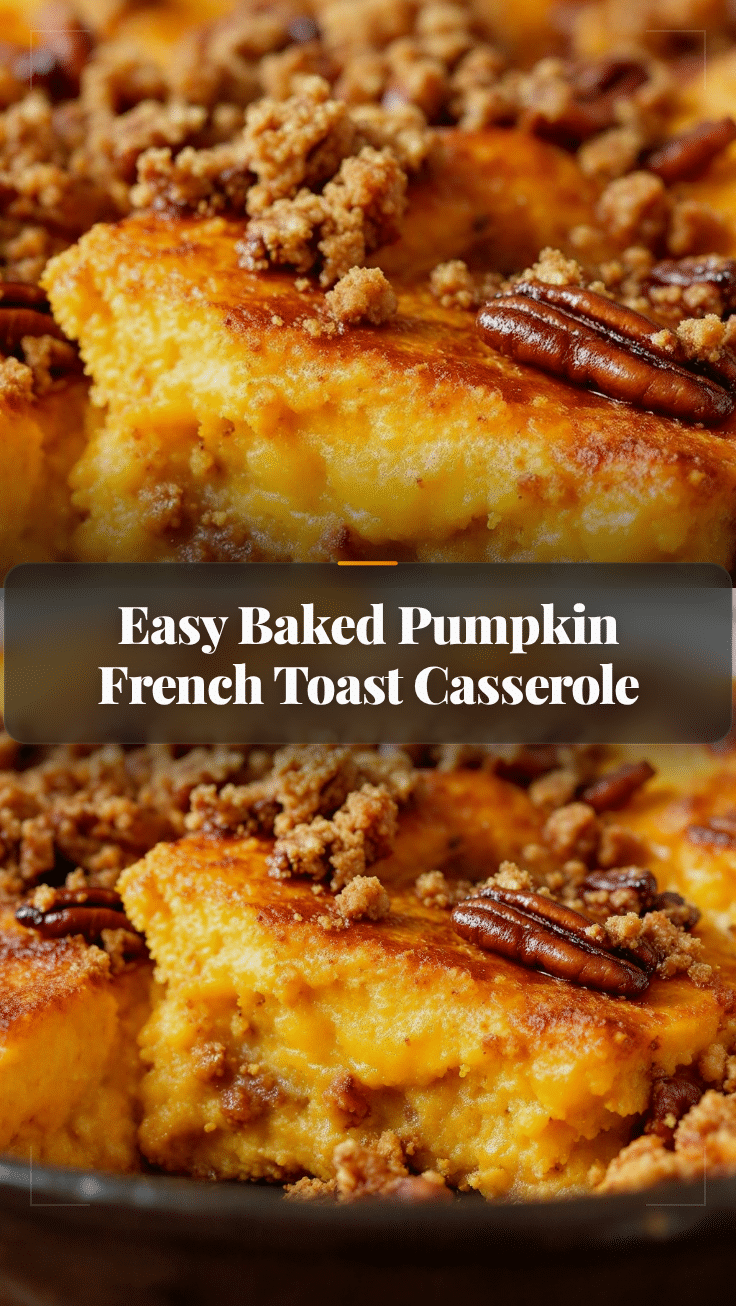
Easy Baked Pumpkin French Toast Casserole with Pecan Streusel
A make-ahead baked pumpkin French toast casserole with a crunchy pecan streusel topping. Perfect for holiday brunch, this custard-soaked brioche dish is creamy, spiced, and can be assembled the night before for a stress-free morning.
- Prep Time: 20 minutes
- Cook Time: 50 minutes
- Total Time: 8 hours 10 minutes (includes overnight soak)
- Yield: 8-10 servings 1x
- Category: Breakfast/Brunch
- Cuisine: American
Ingredients
- 1 cup pumpkin puree (not pumpkin pie filling)
- 1 ½ cups whole milk
- ½ cup heavy cream
- 4 large eggs
- ½ cup brown sugar (packed)
- 2 teaspoons vanilla extract
- 1 ½ teaspoons pumpkin pie spice
- ½ teaspoon cinnamon
- ¼ teaspoon salt
- 1 loaf (12-14 ounces) day-old brioche or challah, cut into 1-inch cubes
- 2 tablespoons melted butter (for greasing)
- ½ cup all-purpose flour
- ½ cup brown sugar (packed)
- ½ cup rolled oats (old-fashioned)
- ½ cup chopped pecans
- ½ teaspoon cinnamon
- ¼ teaspoon salt
- 6 tablespoons cold unsalted butter (cut into small cubes)
Instructions
- Cut brioche or challah into 1-inch cubes. Spread on a baking sheet and let sit out for 1-2 hours, or dry in a 300°F oven for 8-10 minutes.
- In a large bowl, whisk together pumpkin puree, whole milk, heavy cream, and eggs until smooth. Add brown sugar, vanilla, pumpkin pie spice, cinnamon, and salt. Whisk until fully combined and sugar is mostly dissolved.
- Grease a 9×13-inch baking dish with melted butter. Spread half the bread cubes in the dish. Pour half the custard over them, pressing down gently. Add remaining bread cubes and pour remaining custard over top. Press down gently. Cover tightly with plastic wrap and refrigerate for at least 4 hours or overnight.
- In a medium bowl, combine flour, brown sugar, rolled oats, chopped pecans, cinnamon, and salt. Add cold butter cubes. Use a pastry cutter, fork, or fingers to work butter into dry ingredients until mixture resembles coarse sand with some pea-sized butter lumps. Cover and refrigerate.
- When ready to bake, preheat oven to 350°F. Remove casserole from fridge and let sit for 20 minutes. Sprinkle cold streusel evenly over top.
- Bake for 45-55 minutes, until center is set (slight jiggle but not sloshing) and top is golden brown. Tent with foil if streusel browns too fast.
- Let casserole rest for 10 minutes before serving. Serve warm with maple syrup or powdered sugar if desired.
Notes
Don’t skip the overnight soak—it allows the custard to fully penetrate the bread. Add streusel right before baking to keep it crunchy. Let the casserole rest for 10 minutes after baking for clean slices. Day-old bread is essential; fresh bread will turn to mush. For gluten-free, use gluten-free brioche and gluten-free all-purpose flour. For dairy-free, use full-fat oat milk or unsweetened coconut milk and plant-based butter.
Nutrition
- Serving Size: 1 serving (based on
- Calories: 380
- Sugar: 28
- Sodium: 320
- Fat: 18
- Saturated Fat: 9
- Carbohydrates: 47
- Fiber: 3
- Protein: 9
Keywords: pumpkin French toast casserole, baked French toast, pecan streusel, make-ahead breakfast, holiday brunch, pumpkin recipe