The pork chops were thawing on the counter, and I had no plan. It was one of those gray Tuesday afternoons where dinner feels like a chore you didn’t sign up for. My fridge held half a bottle of apple cider from last weekend’s brunch, a sad-looking onion, and some thyme that was definitely on its last leg. I had been meaning to make something fancy, but honestly? I just wanted the whole thing to be over with minimal dishes.
So I grabbed my heaviest skillet, seared those chops until they were golden, and poured in the cider without measuring. I figured if it didn’t work, we’d order pizza. But then the smell hit me—that sweet-tart apple scent mixing with the savory pork, the thyme going slightly crispy on the edges. It smelled like fall in a pan. By the time the sauce had reduced into something glossy and rich, I knew I had stumbled onto something worth repeating.
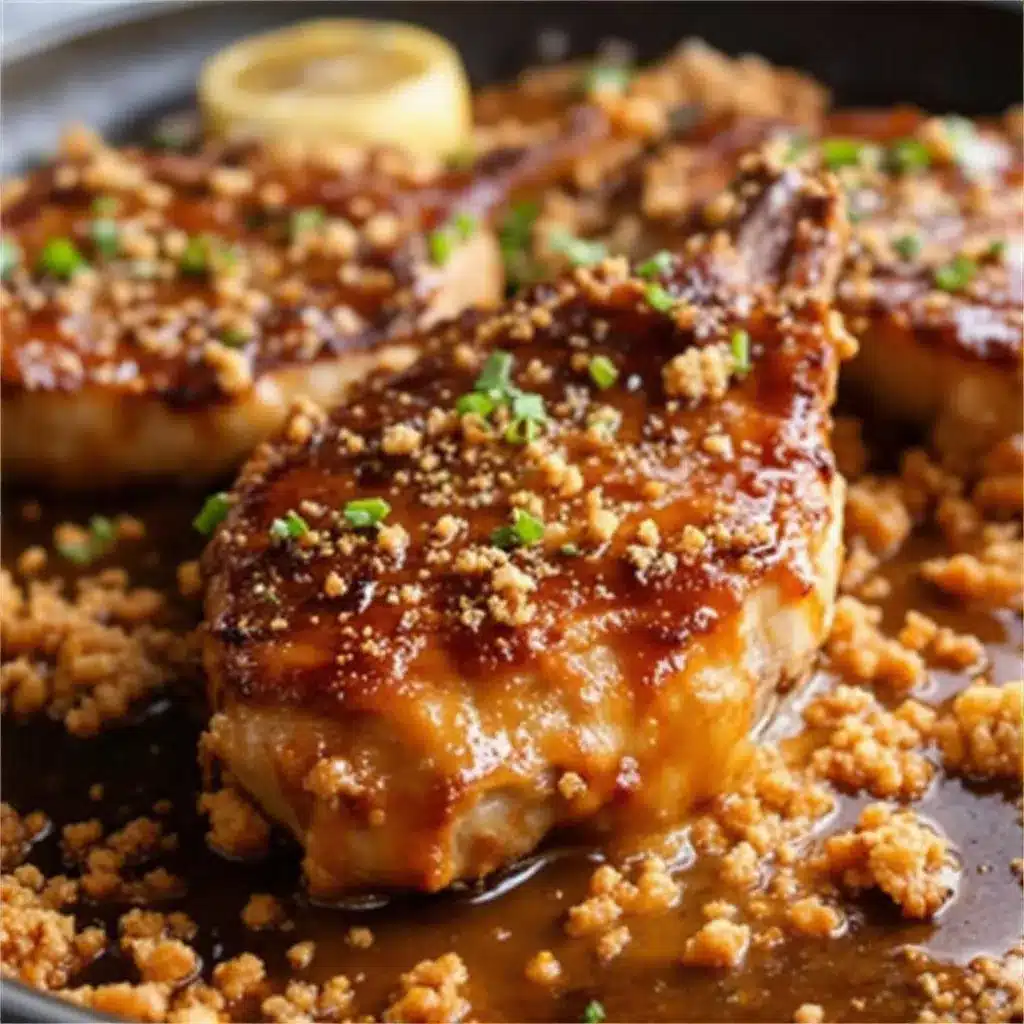
These Easy One-Pan Apple Cider Braised Pork Chops weren’t born from a recipe book or a family secret. They came from a lazy cook who didn’t want to wash extra dishes and happened to have the right ingredients at the right time. And honestly? That’s often where the best food comes from. This is the kind of dinner that makes you look like a hero without actually trying very hard.
Why You’ll Love This Recipe
Let’s be real—pork chops can be tricky. One minute they’re perfect, the next they’re dry and sad. This method changes everything. Braising them in apple cider keeps them ridiculously tender while the sauce practically makes itself. Here’s why this one’s a keeper:
- One Pan, Minimal Mess: You sear, braise, and serve from the same skillet. Less cleanup means more time actually enjoying your meal.
- Simple Ingredients: No trips to specialty stores. Apple cider, pork chops, onion, garlic, thyme—stuff you probably already have or can grab easily.
- Weeknight Friendly: From start to table in about 40 minutes. That’s faster than takeout if you count the delivery wait.
- Company-Worthy: The glossy, savory-sweet sauce looks and tastes like you spent hours. Nobody needs to know it took 15 minutes of actual work.
- Forgiving Technique: The braising liquid keeps the meat moist even if you get distracted. I’ve tested this. Multiple times.
What makes this recipe different is the balance. The apple cider isn’t too sweet because the savory elements—onion, garlic, thyme—keep things grounded. The pork gets fall-apart tender without losing its shape. And that sauce? It’s the kind you’ll want to spoon over mashed potatoes or crusty bread. I’ve made this for my family on busy weeknights and for dinner guests who didn’t know they were coming until an hour before. It works every single time.
What Ingredients You Will Need
This recipe relies on a handful of pantry-friendly ingredients that work together to create something surprisingly complex. Nothing fancy here—just smart combinations.
For the Pork Chops
- 4 bone-in pork chops, about 1-inch thick (bone-in adds flavor and helps prevent drying out)
- 1 tablespoon olive oil (for searing; avocado oil works too)
- 1 teaspoon salt (I prefer kosher for even seasoning)
- ½ teaspoon black pepper, freshly ground
- 1 tablespoon unsalted butter (adds richness to the sauce at the end)
For the Braising Liquid
- 1 ½ cups apple cider (unfiltered is best—it has more flavor; not apple juice, which is too sweet)
- 1 medium yellow onion, thinly sliced
- 3 cloves garlic, smashed (don’t bother mincing; they’ll soften during braising)
- 4 sprigs fresh thyme (or 1 teaspoon dried, but fresh really shines here)
- 1 tablespoon Dijon mustard (adds tang and helps emulsify the sauce)
- 1 bay leaf (optional but nice for depth)
Ingredient Tips: Look for pork chops with good marbling—lean chops can still dry out even with braising. If you only have boneless chops, reduce cooking time by about 5 minutes. For the apple cider, I like the unfiltered kind from the refrigerated section; it has a cloudier appearance and more apple flavor. One time I used a fancy spiced cider from a farmer’s market and it was incredible, but regular works just fine.
For substitutions: Use chicken broth instead of cider for a less sweet version (though you’ll lose some of the magic). Maple syrup or honey can replace the cider in a pinch, but dilute with a bit of water. And if you’re out of fresh thyme? Dried works, just use a teaspoon and add it with the cider.
Equipment Needed
- Large heavy-bottomed skillet or Dutch oven (12-inch with a lid is ideal; cast iron or stainless steel works best)
- Tongs (for flipping the pork without piercing the meat)
- Wooden spoon or spatula (for scraping up those browned bits)
- Sharp knife and cutting board (for slicing the onion)
- Measuring cups and spoons
- Meat thermometer (optional but highly recommended for perfect doneness)
If you don’t have a lid for your skillet, use a piece of aluminum foil tightly crimped around the edges. I’ve done this more times than I care to admit, and it works perfectly. A splatter screen can also work in a pinch. For budget-friendly options, I’ve made this in a nonstick skillet with decent results, though you won’t get as much browning on the meat.
Preparation Method
- Pat the pork chops dry with paper towels. This is non-negotiable—wet meat won’t brown properly. Season both sides generously with salt and pepper. Let them sit at room temperature for 15 minutes while you prep the onion and garlic.
- Heat the olive oil in your skillet over medium-high heat until it shimmers. Carefully place the pork chops in the pan—don’t crowd them. If your pan is too small, do this in batches. Sear for 3-4 minutes per side until deep golden brown. The chops should release easily from the pan; if they stick, they aren’t ready to flip. Transfer to a plate and set aside.
- Reduce heat to medium and add the sliced onion. Cook, stirring occasionally, for 4-5 minutes until softened and starting to brown. Scrape up any browned bits from the bottom of the pan—that’s flavor you want in the sauce. Add the smashed garlic cloves and cook for 1 minute until fragrant.
- Pour in the apple cider, scraping the pan again to release any remaining browned bits. Add the Dijon mustard, thyme sprigs, and bay leaf. Bring to a simmer and let it bubble for 2 minutes to reduce slightly.
- Return the pork chops to the pan, nestling them into the liquid. The cider should come about halfway up the sides of the chops. If it doesn’t, add a splash of water or broth. Cover the pan with a lid, reduce heat to low, and let it braise gently for 15-20 minutes. The liquid should be at a gentle simmer, not a rolling boil.
- Check for doneness using a meat thermometer—pork chops are safe at 145°F, but I pull them at 140°F because they’ll continue cooking as they rest. Transfer the chops to a plate and tent loosely with foil.
- Finish the sauce: Increase heat to medium-high and let the liquid bubble, stirring occasionally, until it reduces by about half and becomes syrupy—about 3-5 minutes. Remove the bay leaf and thyme stems. Swirl in the tablespoon of butter until melted and glossy. Taste and adjust seasoning with salt and pepper.
- Return the pork chops to the pan, spooning sauce over them. Let them rest in the warm sauce for 2-3 minutes before serving. This lets the flavors meld and the meat relax.
Sensory Cues: When searing, you’re looking for a deep amber color with crispy edges—think the color of a well-toasted marshmallow. The cider should smell sweet but also savory once it hits the pan. When the sauce reduces, you’ll see it coat the back of a spoon rather than running off like water. The pork should feel tender when pressed with a fork but not fall apart completely.
Cooking Tips & Techniques
I’ve messed up pork chops more times than I want to admit. Here’s what I’ve learned the hard way so you don’t have to.
Don’t skip the drying step. Moisture is the enemy of browning. I once rushed through this and ended up with gray, steamed pork instead of golden, caramelized goodness. Pat them dry, season, and let them sit. It makes a difference you can taste.
Let the meat rest before slicing. This is the hardest lesson for impatient cooks (guilty). If you cut into the pork right away, all those juices run out onto the cutting board instead of staying in the meat. Five minutes of resting time transforms good pork into great pork.
Watch your heat levels. I burned the first batch of onions because I left the heat too high. Medium heat is your friend here. The onions should soften and sweeten, not char. If they start browning too fast, lower the heat and add a splash of cider to cool things down.
Use a meat thermometer. I know, I know—another gadget. But pork chops have a narrow window between perfect and overcooked. A $10 instant-read thermometer takes the guesswork out completely. I’ve saved so many dinners since buying one.
Multitask smartly. While the pork braises, you can prep a side dish. Mashed potatoes work beautifully with this, or a simple green salad with a tangy vinaigrette to cut through the richness. I’ve also made these alongside some crispy bacon-wrapped dates for a full autumn-inspired spread.
Variations & Adaptations
This recipe is flexible enough to handle all kinds of tweaks. Here are some ways I’ve played with it:
- Apple-Cranberry Version: Add ½ cup fresh or dried cranberries to the braising liquid along with the cider. The tartness balances the sweetness beautifully. I did this for Thanksgiving one year and it was a hit.
- Herb Swap: No thyme? Use rosemary or sage. Rosemary is stronger, so use two sprigs instead of four. Sage pairs wonderfully with apple flavors—just add it in the last 5 minutes of cooking so it doesn’t get bitter.
- Dairy-Free Option: Skip the butter at the end and use a splash of full-fat coconut milk or a dairy-free butter alternative. The sauce won’t be quite as glossy, but it’s still delicious.
- Spiced Version: Add a cinnamon stick, 2 star anise pods, and a pinch of nutmeg to the braising liquid. This turns the dish into something almost dessert-like in its warmth. I serve this version with roasted sweet potatoes.
- Slow Cooker Adaptation: Sear the pork chops as directed, then transfer everything to a slow cooker. Cook on low for 4-5 hours or high for 2-3 hours. The sauce won’t reduce as much, so you’ll want to thicken it on the stove before serving.
- Gluten-Free: This recipe is naturally gluten-free as written. Just double-check your Dijon mustard—some brands contain wheat flour as a thickener.
One time I made this with pear cider instead of apple cider because that’s what my grocery store had. It was surprisingly good—slightly milder and more floral. Don’t be afraid to experiment with what you have.
Serving & Storage Suggestions
These pork chops are best served warm, right after the sauce finishes reducing. The sauce thickens as it cools, so if you’re serving a crowd, keep the pan on low heat until you’re ready.
What to Serve With Them: Mashed potatoes are the classic choice—the creamy texture soaks up that cider sauce perfectly. I also love them with roasted Brussels sprouts or a simple apple and fennel slaw. For something lighter, steamed green beans with a squeeze of lemon work beautifully. If you’re hosting, these pair wonderfully with a refreshing champagne punch for a complete fall menu.
Storage: Leftover pork chops keep in an airtight container in the refrigerator for up to 3 days. The flavors actually meld and deepen overnight, so leftovers might taste even better. Reheat gently in a covered skillet over low heat with a splash of water or cider to loosen the sauce. Avoid the microwave if possible—it tends to toughen the meat.
Freezing: These freeze well for up to 2 months. Cool completely, then transfer to a freezer-safe container with the sauce. Thaw overnight in the refrigerator and reheat as directed above. I’ve pulled these out on busy weeknights and it felt like cheating.
Flavor Development: The sauce will continue to thicken and intensify as it sits. If you’re making this ahead, under-reduce the sauce slightly and finish it just before serving. The apple flavor also mellows over time, becoming more savory—which is honestly delicious.
Nutritional Information & Benefits
Per serving (based on 4 servings, with sauce):
- Calories: 380
- Protein: 35g
- Fat: 18g
- Carbohydrates: 18g
- Fiber: 1g
- Sugar: 12g
- Sodium: 620mg
Health Benefits: Pork chops are an excellent source of high-quality protein and B vitamins, particularly B12 and niacin, which support energy metabolism. Apple cider contains antioxidants called polyphenols, and using fresh thyme adds a dose of vitamin C and vitamin A. This recipe is naturally gluten-free and can be made dairy-free with a simple swap.
Dietary Considerations: For a lower-sodium version, reduce the added salt and use low-sodium broth if adding liquid. The sugar content comes primarily from the apple cider—if you’re watching sugar intake, you can dilute the cider with water or use a sugar-free apple cider alternative. This recipe is not suitable for strict keto due to the carbohydrate content from the cider, but it works well for balanced, whole-foods eating patterns.
From my perspective, this is the kind of meal that feels indulgent but isn’t actually that heavy. It’s satisfying without being overwhelming, which is exactly what I want on a chilly evening.
Conclusion
These Easy One-Pan Apple Cider Braised Pork Chops have become my go-to for those nights when I want something that feels special without requiring a lot of effort. The combination of savory pork, sweet-tart cider, and aromatic herbs creates a dish that’s greater than the sum of its parts. And the fact that it all happens in one pan? That’s just the cherry on top.
I hope you give this recipe a try and make it your own. Maybe you’ll add extra thyme, or throw in some apple slices, or serve it over something unexpected. That’s the beauty of cooking—you get to decide. If you do make it, I’d love to hear how it turned out. Drop a comment below or tag me in your photos. And if you’re looking for more easy, one-pan dinners, check out the recipes section for more inspiration.
Happy cooking, friends. May your pork chops always be juicy and your dishes few.
Frequently Asked Questions
Can I use boneless pork chops for this recipe?
Yes, you can. Boneless chops cook faster, so reduce the braising time by about 5 minutes. Keep an eye on the internal temperature—pull them at 140°F for the best texture. Bone-in chops have more flavor and stay moister, but boneless works in a pinch.
What if I don’t have apple cider? Can I use apple juice?
You can, but the results will be sweeter and less complex. Apple juice lacks the tangy, fermented notes that make cider so good here. If using juice, add a tablespoon of apple cider vinegar or lemon juice to balance the sweetness. I’ve done this in a bind and it still tasted great.
How do I prevent the pork chops from drying out?
The braising liquid does most of the work here, but don’t overcook them. Use a meat thermometer and remove the chops from the pan when they hit 140°F. Let them rest in the warm sauce for a few minutes—they’ll come up to 145°F safely without drying out. Also, choose thicker chops (at least 1 inch) for best results.
Can I make this recipe dairy-free?
Absolutely. Skip the butter at the end or use a dairy-free butter alternative. The sauce will still be delicious, just slightly less glossy. Coconut cream works surprisingly well here too—add a tablespoon for richness.
How do I thicken the sauce if it’s too thin?
Let it simmer uncovered for a few more minutes. The sauce will reduce and concentrate naturally. If you’re in a hurry, whisk together 1 teaspoon cornstarch with 1 tablespoon cold water and stir it into the simmering sauce. It will thicken almost immediately. I prefer the natural reduction method for better flavor, but the cornstarch trick works when you’re short on time.
Pin This Recipe!

Easy One-Pan Apple Cider Braised Pork Chops

These Easy One-Pan Apple Cider Braised Pork Chops are a weeknight hero—tender, juicy pork chops braised in a sweet-tart apple cider sauce with onion, garlic, and thyme, all made in one skillet for minimal cleanup.
- Prep Time: 15 minutes
- Cook Time: 30 minutes
- Total Time: 45 minutes
- Yield: 4 servings 1x
- Category: Main Course
- Cuisine: American
Ingredients
- 4 bone-in pork chops, about 1-inch thick
- 1 tablespoon olive oil
- 1 teaspoon kosher salt
- ½ teaspoon freshly ground black pepper
- 1 tablespoon unsalted butter
- 1 ½ cups apple cider (unfiltered preferred)
- 1 medium yellow onion, thinly sliced
- 3 cloves garlic, smashed
- 4 sprigs fresh thyme (or 1 teaspoon dried)
- 1 tablespoon Dijon mustard
- 1 bay leaf (optional)
Instructions
- Pat the pork chops dry with paper towels. Season both sides generously with salt and pepper. Let them sit at room temperature for 15 minutes while you prep the onion and garlic.
- Heat the olive oil in your skillet over medium-high heat until it shimmers. Carefully place the pork chops in the pan—don’t crowd them. Sear for 3-4 minutes per side until deep golden brown. Transfer to a plate and set aside.
- Reduce heat to medium and add the sliced onion. Cook, stirring occasionally, for 4-5 minutes until softened and starting to brown. Scrape up any browned bits from the bottom of the pan. Add the smashed garlic cloves and cook for 1 minute until fragrant.
- Pour in the apple cider, scraping the pan again to release any remaining browned bits. Add the Dijon mustard, thyme sprigs, and bay leaf. Bring to a simmer and let it bubble for 2 minutes to reduce slightly.
- Return the pork chops to the pan, nestling them into the liquid. The cider should come about halfway up the sides of the chops. Cover the pan with a lid, reduce heat to low, and let it braise gently for 15-20 minutes.
- Check for doneness using a meat thermometer—pork chops are safe at 145°F, but pull them at 140°F because they’ll continue cooking as they rest. Transfer the chops to a plate and tent loosely with foil.
- Finish the sauce: Increase heat to medium-high and let the liquid bubble, stirring occasionally, until it reduces by about half and becomes syrupy—about 3-5 minutes. Remove the bay leaf and thyme stems. Swirl in the tablespoon of butter until melted and glossy. Taste and adjust seasoning with salt and pepper.
- Return the pork chops to the pan, spooning sauce over them. Let them rest in the warm sauce for 2-3 minutes before serving.
Notes
Don’t skip drying the pork chops for proper browning. Let the meat rest before slicing to keep juices in. Use a meat thermometer for perfect doneness. The sauce thickens as it cools; keep on low heat if serving a crowd. Leftovers keep in the fridge for up to 3 days and freeze for up to 2 months.
Nutrition
- Serving Size: 1 pork chop with sau
- Calories: 380
- Sugar: 12
- Sodium: 620
- Fat: 18
- Saturated Fat: 6
- Carbohydrates: 18
- Fiber: 1
- Protein: 35
Keywords: pork chops, apple cider, one-pan, braised, easy dinner, weeknight meal, fall recipe