The first time I smoked a brisket for a crowd, I had no idea what I was getting into. It was my buddy’s backyard birthday bash, and I volunteered to bring the “main event.” I’d done smaller cuts before, but this was a full 12-pound packer brisket—a beast. I spent hours reading about smoke rings and bark, watched countless videos, and even made a few rookie mistakes (like opening the smoker door too often). But when I finally sliced into that tender, smoky masterpiece, the juicy meat with its signature pink smoke ring and crackly bark stole the show. Everyone was raving, and I was hooked. Since then, I’ve smoked briskets for everything from family reunions to neighborhood block parties, dialing in a recipe that’s not only foolproof but perfect for feeding a crowd.
What makes this smoked brisket recipe stand out? It’s all about balancing smoky bark with melt-in-your-mouth tenderness, plus nailing that pink smoke ring that’s as much a badge of honor as it is a flavor booster. I’ve tested this method over a dozen times, tweaking the seasoning, temperature, and smoke time until it consistently delivers stunning results. Whether you’re a backyard BBQ novice or a seasoned pitmaster, this recipe will help you impress your guests without spending all day babysitting the smoker.
Ready to learn how to make smoked brisket for a crowd that everyone will be talking about? Let’s dive in.
Why This Recipe Works
This smoked brisket recipe has completely changed how I approach large gatherings. There are a few reasons I keep coming back to it, beyond just the flavor.
- Big Batch Friendly — Perfect for 10-12 people, this recipe scales easily. I’ve smoked two briskets back-to-back for larger parties without losing quality or flavor.
- Consistently Tender — Thanks to a low-and-slow cooking process paired with a well-controlled smoker temperature, the brisket comes out fork-tender every single time. No dry edges or chewy bites.
- Smoky Bark and Pink Smoke Rings — The seasoning rub and smoke wood combo produce that coveted deep bark. Plus, the smoke ring often confuses my friends into thinking it’s some secret BBQ magic.
- Hands-Off Cooking — Once your smoker is set up, this brisket demands minimal attention. I can prep the sides and drinks (like a sparkling champagne punch) while the brisket works its magic for hours.
- Flavor Versatility — This brisket pairs beautifully with classic BBQ sauces but also shines on its own. I’ve served it alongside everything from prosciutto-wrapped asparagus to simple coleslaw for a crowd-pleasing spread.
Honestly, this recipe has become my go-to when I want to wow a crowd without the stress. The smoky bark and tender pink smoke rings make the whole process feel worth every second.
Ingredients Breakdown
Here’s where the magic starts. You might think smoking a brisket is all about the meat and the smoker, but the right ingredients make all the difference.
For the Brisket
- Whole packer brisket (10-14 pounds) — This cut has both the flat and point muscles with fat in between, perfect for smoking. Look for USDA Choice grade or higher for better marbling and flavor.
- Yellow mustard (¼ cup) — Don’t worry, you won’t taste mustard in the final product. It acts as a glue to help the rub stick and helps develop the bark. I use regular deli-style mustard.
For the Rub
- Coarse kosher salt (3 tablespoons) — Essential for seasoning and bringing out the brisket’s natural flavors. I avoid fine salt since it can overpower.
- Freshly ground black pepper (3 tablespoons) — The classic Texas-style rub. I grind mine fresh for maximum aroma.
- Smoked paprika (1 tablespoon) — Adds subtle smoky depth and color to the bark.
- Garlic powder (1 tablespoon) — For that savory umami kick.
- Onion powder (1 tablespoon) — Balances the garlic and adds complexity.
- Brown sugar (1 tablespoon, optional) — I add this sparingly to help caramelize the bark without making it too sweet.
For Smoking
- Wood chunks or chips (oak, hickory, or pecan) — My favorite combo is oak for steady heat and hickory for a bold smoky flavor. Avoid fruit woods here, which are better for lighter meats.
- Water pan — Keeps the environment moist in the smoker, preventing the brisket from drying out over the long cook.
Optional Finishing
- BBQ sauce of choice — I usually serve this on the side. The brisket is flavorful enough to stand alone but a tangy sauce never hurts.
Pro tip: I always buy brisket a day ahead and trim excess fat at home. Leaving about ¼ inch fat cap helps keep it juicy but too much slows smoke penetration.
Equipment You’ll Need
You don’t need a professional pitmaster’s setup to make great smoked brisket for a crowd. Here’s what I use:
- Offset smoker or pellet smoker — I prefer an offset for the traditional experience, but a pellet smoker works great and is easier to maintain steady temps.
- Meat thermometer with probe — Essential for monitoring internal temperature without opening the smoker.
- Charcoal and wood chunks — For fuel and smoke flavor.
- Drip pan — To catch drippings and keep the smoker clean.
- Sharp slicing knife and cutting board — A must for carving the brisket after resting.
- Aluminum foil or butcher paper — For wrapping the brisket during the stall phase (more on that later).
No fancy gadgets required—just reliable tools that you probably already have or can borrow. If you’re new to smoking, a simple beef tenderloin recipe might help you get comfortable with meat temps before tackling a brisket.
Step-by-Step Instructions
- Day Before: Trim and Season (30 minutes)
Trim the brisket, leaving about ¼ inch fat cap. Pat dry with paper towels. Slather the entire brisket with yellow mustard—this helps the rub adhere and promotes bark formation. Combine your rub ingredients and coat the brisket evenly. Wrap in plastic and refrigerate overnight. This resting time lets the seasoning penetrate deeply. - Prepare Your Smoker (30 minutes)
Set up your smoker for indirect cooking at 225°F (107°C). Add charcoal and your preferred wood chunks (oak + hickory is my go-to). Place a water pan inside to maintain humidity. Preheat to steady temperature before adding the brisket. - Smoke the Brisket (5-6 hours)
Remove the brisket from the fridge 30 minutes before smoking to take off the chill. Place it fat-side up on the smoker grate. Insert your probe thermometer into the thickest part of the flat muscle. Maintain a steady 225°F smoke temperature. Resist the urge to open the smoker—the smoke ring forms best with consistent heat and smoke. Expect the brisket to hit a “stall” around 150-160°F where internal temp seems to stop rising. This is normal. - Wrap the Brisket (The Texas Crutch) (1-2 hours)
When the brisket hits 160°F internal, wrap it tightly in butcher paper or aluminum foil. This traps moisture and helps push through the stall faster while preserving bark and tenderness. Place it back on the smoker. - Finish Cooking to Target Temp (1-2 hours)
Continue smoking until the internal temperature reaches 203°F. Use the probe to check tenderness—when it slides in like butter with little resistance, you’re done. - Rest the Brisket (1 hour)
Remove the wrapped brisket and let it rest in a cooler or warm spot for at least 1 hour. Resting lets the juices redistribute and makes slicing cleaner. - Slicing and Serving
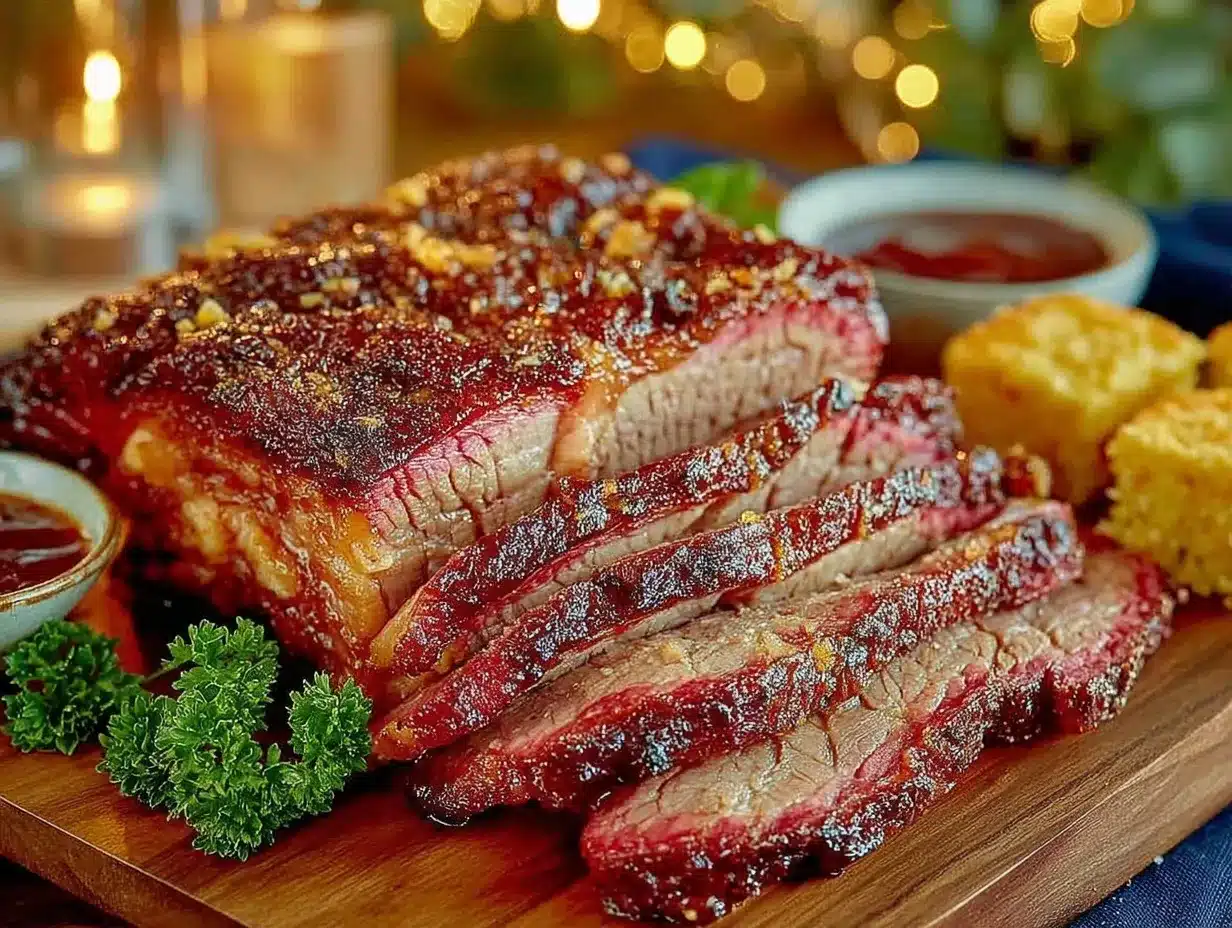
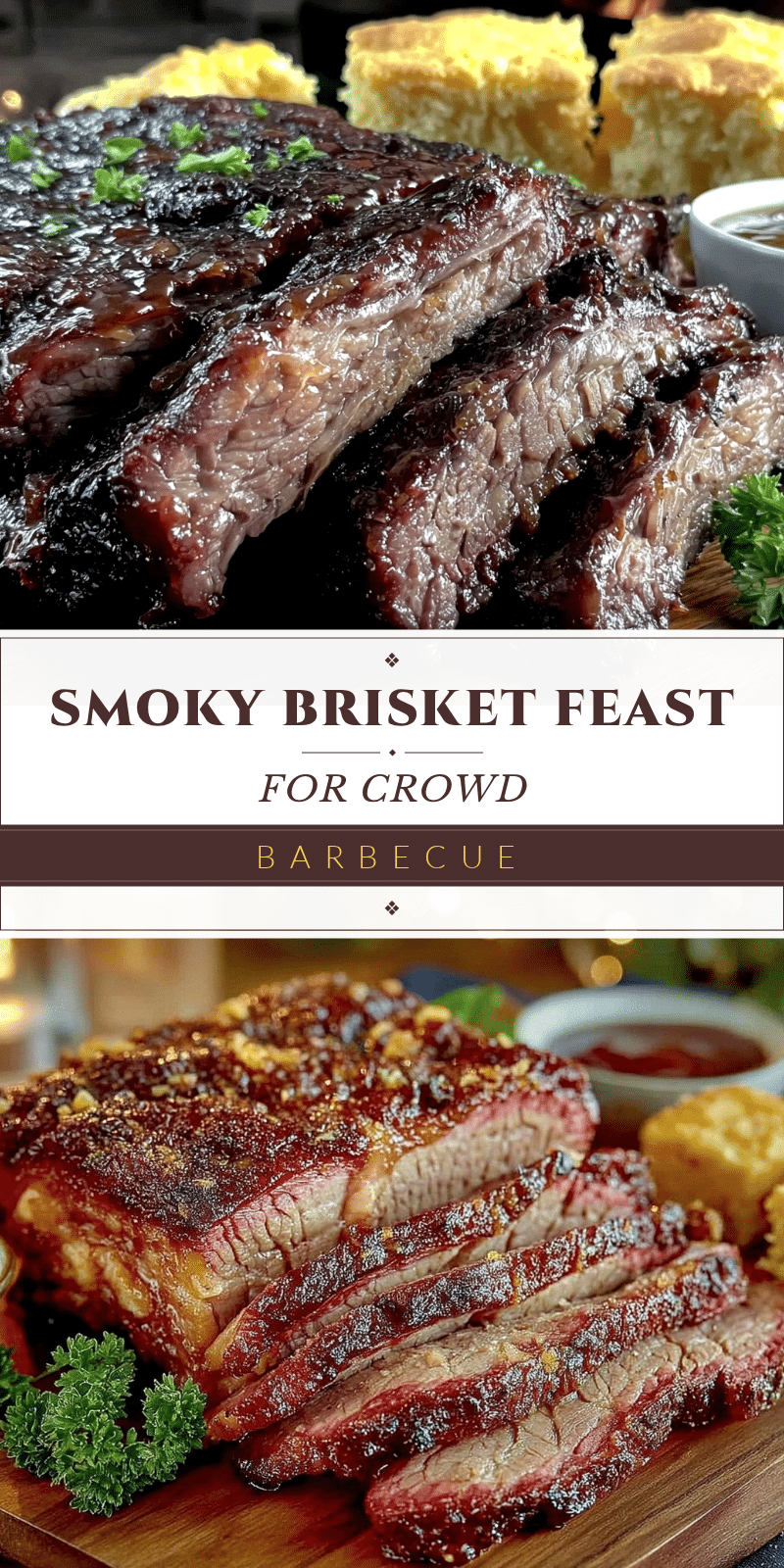
Unwrap and slice against the grain. The flat and point muscles have different grain directions, so adjust slicing accordingly. Arrange the slices on a warm platter, showing off the dark, smoky bark and that gorgeous pink smoke ring.
From start to finish, you’re looking at about 10-12 hours—but only 1-2 hours are active prep. The rest is hands-off, slow-smoke magic.
Expert Tips & Troubleshooting
Here’s where I share the lessons I learned the hard way so you don’t have to:
- Don’t skip the mustard — It’s the secret to the bark sticking well. I once tried going dry with just rub, and the bark was patchy.
- Keep smoker temps steady — Fluctuating temps lead to uneven cooking and can mess with smoke ring formation. Invest in a good thermometer and monitor frequently.
- Resist the urge to peek — Opening the smoker lets heat and smoke escape, prolonging cooking and risking uneven bark. I struggled with this the first time and paid in extra hours and dry spots.
- Wrap at the stall — The “Texas crutch” is a game-changer for tenderness and cooking time. Wrapping too early or too late can affect bark or moisture retention.
- Rest is crucial — Don’t slice immediately. I learned this the hard way when my brisket juices ran all over the cutting board.
- Use hardwoods — Avoid softwoods like pine which create unpleasant flavors and too much resin.
- Check your wood quality — Damp or green wood produces bitter smoke. I always store wood in a dry place.
Common issues I’ve seen (and fixed!) include dense meat from undercooking, bitter bark from over-smoking, and a lack of smoke ring from inconsistent temperatures. Patience and practice definitely pay off.
Variations & Substitutions
Once you’ve nailed the classic smoked brisket, try these tweaks I’ve tested and loved:
- Spicy Kick — Add 1 tablespoon cayenne pepper or chipotle powder to the rub for a smoky heat that wakes up your taste buds.
- Sweet & Smoky — Increase brown sugar to ¼ cup for a caramelized bark with a touch of sweetness.
- Different Wood Combinations — Mix pecan with oak for a slightly nuttier, milder smoke flavor. My guests loved this combo at a recent neighborhood block party.
- Texas-Style Dry — Skip the brown sugar and keep rub simple with just salt and pepper for a minimalist approach.
- Smoked Brisket Burnt Ends — Cube leftover point meat, toss in BBQ sauce, and smoke for another hour. Perfect for serving at parties.
If you don’t have a smoker, a charcoal grill with indirect heat and wood chips in a smoker box can work in a pinch. Check out my perfect beef tenderloin recipe for tips on managing indirect heat on a grill, which is a similar technique.
Serving & Storage
Here’s how I serve and store smoked brisket for a crowd without losing any of its magic:
Serving
- Sliced brisket is fantastic served warm on its own or with classic sides like baked beans, mac and cheese, or coleslaw.
- For a quick party hit, pile slices into slider buns with pickles and a swipe of BBQ sauce.
- Leftover brisket shines in tacos, salads, or even smoked brisket chili.
Storage
- Refrigerate: Wrap brisket tightly in foil or airtight containers. It keeps beautifully for 3-4 days. Reheat gently to avoid drying out.
- Freeze: Slice the brisket, wrap individual portions in plastic wrap, then foil, and freeze up to 3 months. Thaw overnight in the fridge and reheat in the oven at 300°F until warmed through.
- Rest before slicing again: Let leftovers come to room temperature before reheating for best texture.
For entertaining, I often pair brisket with easy crowd-pleasers like fluffy mini quiches or the elegant caviar deviled eggs to create a memorable spread without going overboard.
Nutrition Information
I’m not a nutritionist, but here’s a general idea for smoked brisket per 4-ounce serving (about 113g):
| Calories | 280 |
|---|---|
| Protein | 22g |
| Total Fat | 20g |
| Saturated Fat | 8g |
| Carbohydrates | 0g |
| Sodium | 450mg |
Brisket is high in protein and fat, so it’s a satisfying centerpiece for a meal. The fat content also helps keep the meat tender and flavorful during the long smoke. Just keep an eye on portion sizes if you’re watching calories or fat intake.
Final Thoughts
So that’s how I make smoked brisket for a crowd with smoky bark and tender pink smoke rings that wow every time. I know it sounds like a big commitment, but the payoff is worth it—especially when you see your guests’ faces as they bite into perfectly smoked, juicy slices. Plus, the hands-off nature lets you enjoy the party instead of being chained to the smoker.
I still remember that first brisket and how proud I felt carrying that giant slab through the backyard. This recipe has become my BBQ signature, and I’m confident it can be yours too. Don’t be afraid to experiment with rubs, woods, and sides to make it truly yours.
If you decide to give this a try, I’d love to hear how it goes! Drop a comment below or share your own tips and tricks. And if you want to round out your party menu, consider adding in some of my favorite crowd-pleasers like sparkling sangria or bacon-wrapped dates for a perfect balance of smoky, sweet, and festive flavors.
Happy smoking!
FAQs
Can I smoke a brisket without a dedicated smoker?
Yes! You can use a charcoal or gas grill set up for indirect heat with wood chips in a smoker box or foil pouch. It requires more attention to maintain temperature but works well. Check out my beef tenderloin cooking tips for advice on indirect grilling techniques that apply here too.
What causes the pink smoke ring in smoked brisket?
The pink smoke ring forms when nitrogen dioxide from the wood smoke reacts with the meat’s myoglobin, creating that signature pink hue just under the bark. Low and slow smoking with steady temps and real wood smoke is key. It’s a sign of well-smoked meat, but don’t worry if it’s faint—you’ll still get great flavor.
How do I know when the brisket is done?
Internal temperature is your best guide. Aim for about 203°F (95°C) in the thickest part, but tenderness matters more. Use a probe to check that it slides in and out with little resistance. If it feels tough, keep smoking and check every 15-20 minutes.
Can I prepare the brisket ahead of time?
Absolutely. I recommend trimming and seasoning the brisket the day before to let the rub penetrate. After smoking, you can slice and refrigerate or freeze leftovers. Reheat gently to keep it tender.
What wood should I use for smoking brisket?
Oak, hickory, and pecan are my favorites for brisket because they provide a robust, traditional BBQ flavor without overpowering. Avoid fruit woods like apple or cherry if you want a classic Texas-style taste, but they can be nice if you prefer milder smoke.
Can I use a smaller brisket for fewer people?
Yes, just adjust your cooking time accordingly. A 5-7 pound flat cut will cook faster but may be leaner and less forgiving. The principles—low and slow, rub, smoke, wrap, rest—stay the same.
Why is my brisket tough or dry?
Common causes are overcooking, undercooking, or skipping the wrap during the stall. Also, if you trim too much fat off, the meat can dry out. Use a thermometer, wrap at the right time, and rest well to avoid dryness. If you want to add a sauce, that can also help moisten slices.
Pin This Recipe!
Smoked Brisket for a Crowd Easy Recipe with Tender Pink Smoke Rings
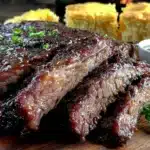
This smoked brisket recipe is perfect for feeding 10-12 people, delivering tender, juicy meat with a smoky bark and signature pink smoke ring through a low-and-slow smoking process.
- Prep Time: 30 minutes (plus overnight seasoning)
- Cook Time: 7-9 hours
- Total Time: 10-12 hours
- Yield: 10-12 servings
- Category: Main Course
- Cuisine: American, BBQ
Ingredients
- Whole packer brisket (10-14 pounds), USDA Choice grade or higher
- Yellow mustard (1/4 cup)
- Coarse kosher salt (3 tablespoons)
- Freshly ground black pepper (3 tablespoons)
- Smoked paprika (1 tablespoon)
- Garlic powder (1 tablespoon)
- Onion powder (1 tablespoon)
- Brown sugar (1 tablespoon, optional)
- Wood chunks or chips (oak, hickory, or pecan)
- Water pan
- BBQ sauce of choice (optional, for serving)
Instructions
- Day Before: Trim the brisket, leaving about 1/4 inch fat cap. Pat dry with paper towels. Slather the entire brisket with yellow mustard to help the rub adhere and promote bark formation. Combine rub ingredients and coat the brisket evenly. Wrap in plastic and refrigerate overnight to let seasoning penetrate.
- Prepare Your Smoker: Set up smoker for indirect cooking at 225°F. Add charcoal and preferred wood chunks (oak and hickory recommended). Place a water pan inside to maintain humidity. Preheat to steady temperature before adding brisket.
- Smoke the Brisket: Remove brisket from fridge 30 minutes before smoking. Place fat-side up on smoker grate. Insert probe thermometer into thickest part of flat muscle. Maintain steady 225°F smoke temperature. Avoid opening smoker door. Expect a stall around 150-160°F internal temperature.
- Wrap the Brisket (Texas Crutch): When brisket hits 160°F internal, wrap tightly in butcher paper or aluminum foil to trap moisture and push through stall faster. Place back on smoker.
- Finish Cooking: Continue smoking until internal temperature reaches 203°F. Check tenderness with probe; it should slide in like butter with little resistance.
- Rest the Brisket: Remove wrapped brisket and let rest in cooler or warm spot for at least 1 hour to redistribute juices.
- Slice and Serve: Unwrap and slice against the grain, adjusting for flat and point muscles. Arrange slices on warm platter showcasing bark and pink smoke ring.
Notes
[‘Buy brisket a day ahead and trim excess fat, leaving about 1/4 inch fat cap.’, ‘Use yellow mustard as a binder for rub and bark development.’, ‘Maintain steady smoker temperature at 225°F to ensure smoke ring formation and tenderness.’, ‘Avoid opening smoker door frequently to prevent heat and smoke loss.’, ‘Wrap brisket at stall (160°F) using Texas crutch method to speed cooking and retain moisture.’, ‘Rest brisket for at least 1 hour before slicing to redistribute juices.’, ‘Use hardwoods like oak, hickory, or pecan for best smoke flavor; avoid fruit woods for classic Texas style.’, ‘Store wood in dry place to avoid bitter smoke.’, ‘Leftovers can be refrigerated for 3-4 days or frozen up to 3 months.’]
Nutrition
- Serving Size: 4 ounces (about 113
- Calories: 280
- Sodium: 450
- Fat: 20
- Saturated Fat: 8
- Protein: 22
Keywords: smoked brisket, BBQ brisket, brisket recipe, smoked meat, Texas brisket, crowd recipe, smoked beef