“You sure that bark will hold?” my cousin joked, eyeing the smoker as I nervously checked the brisket’s progress. Honestly, I wasn’t sure either. The first time I tried smoking a Texas-style brisket, I was winging it — no grandpa’s secret recipe, no fancy equipment beyond a trusty offset smoker that had seen better days. The bark was patchy, the smoke ring barely visible, and the meat, well, let’s say it didn’t exactly melt in your mouth. But something about the rich, smoky aroma filling the backyard that afternoon kept me hooked.
Over the next month, I found myself obsessively tweaking rub blends, managing fire temperatures, and timing the smoke just right. I made this brisket for three family dinners, two backyard parties, and one impromptu neighborhood cookout (where it was devoured before I could even catch my breath). This recipe for flavorful Texas-style smoked brisket with perfect bark isn’t just about the end result—it’s about that satisfying ritual, the slow coaxing of flavors, and yes, the pride in that crusty bark that forms like a badge of honor.
So if you’re ever second-guessing your smoke skills, remember: even the best pitmasters started somewhere. This recipe stuck with me because it delivers on that promise of tender, smoky meat with a bark that snaps just right. It’s honest, straightforward, and it invites you to savor the process as much as the plate. What you get is a brisket with soul, the kind that makes you pause and nod quietly after the first bite, knowing you nailed it.
Why You’ll Love This Recipe
After countless smoke sessions and a dozen brisket experiments, this Texas-style smoked brisket recipe stands out for a few solid reasons. It’s been tested through fire (literally) and refined to bring you the best of traditional Texas BBQ without a million complicated steps.
- Quick & Easy: While smoking brisket isn’t exactly “fast,” this method simplifies the prep and fire management so you can enjoy more of the process and less stress.
- Simple Ingredients: No oddball spices or hard-to-find items here. You likely have most of what you need in your pantry or local butcher shop.
- Perfect for Gatherings: Whether it’s a casual weekend cookout or a festive party, this brisket brings people together with its soulful flavor.
- Crowd-Pleaser: Kids and adults alike keep coming back for more—there’s just something about that smoky bark and tender meat combo.
- Unbelievably Delicious: The bark has a perfect balance of spice and crunch, while the interior stays juicy and tender, a hallmark of great Texas BBQ.
This recipe isn’t just another brisket thrown on a smoker. The secret lies in the seasoning blend and the patience to nurture the bark to perfection, giving you that authentic Texas texture and flavor every time. And if you’re wondering how to pair it, this brisket shines alongside classic sides — or you could try it with the crispy prosciutto-wrapped asparagus bites I recently perfected for an easy appetizer that complements smoky meat beautifully.
What Ingredients You Will Need
This Texas-style smoked brisket recipe relies on straightforward, quality ingredients that come together to create that signature bark and deep smoky flavor. These are pantry staples or easy-to-source items, perfect if you’re just starting your BBQ journey.
- Brisket: 10-12 pounds whole packer brisket (includes both flat and point cuts) – look for well-marbled meat for best results
- Rub Ingredients:
- Coarse kosher salt (essential for crust formation)
- Coarse black pepper (freshly cracked for best aroma)
- Smoked paprika (adds subtle smoky depth)
- Garlic powder
- Onion powder
- Brown sugar (just a touch, to balance the spice)
- Cayenne pepper (optional, if you like a little heat)
- Wood: Post oak or hickory chips/chunks (classic Texas choice for that authentic smoke flavor)
- Injection (optional): Beef broth mixed with a splash of Worcestershire sauce to keep the meat juicy during the long smoke
- Mustard: Yellow mustard (used as a binder to help the rub stick and form bark)
For the rub, I usually blend my own mix from scratch—trust me, it makes a difference compared to store-bought blends. Coarse salt and pepper are non-negotiable in traditional Texas brisket, but I add a little smoked paprika for a subtle twist. If you want to go fully classic, just salt and pepper are enough, but this recipe gives you a little extra oomph.
If you want to switch things up, try swapping the brown sugar for maple sugar or use mesquite wood chips for a stronger smoke flavor. For a gluten-free version, all these ingredients are naturally safe, but just double-check your Worcestershire sauce as some brands contain gluten.
Equipment Needed
- Offset smoker or pellet smoker: I started with a basic offset smoker, but a pellet smoker works great for steady temps and less fuss.
- Meat thermometer: A must-have to monitor internal temperature and nail the perfect doneness.
- Charcoal and wood chunks: Good quality lump charcoal and post oak or hickory wood chunks are essential for that authentic smoke.
- Sharp knife: For trimming the brisket fat cap and slicing after cooking.
- Injection syringe (optional): For the broth injection, which helps keep the brisket moist.
- Aluminum foil or butcher paper: For wrapping the brisket mid-smoke to lock in moisture.
I used to rely on an old thermometer that barely worked, and trust me, that added a ton of stress. Investing in a good digital meat thermometer changed the game for me. If you don’t have an offset smoker, a charcoal grill set up for indirect heat can work in a pinch. For wrapping, butcher paper lets the bark breathe better than foil, but foil is fine if you prefer a moister finish.
Preparation Method
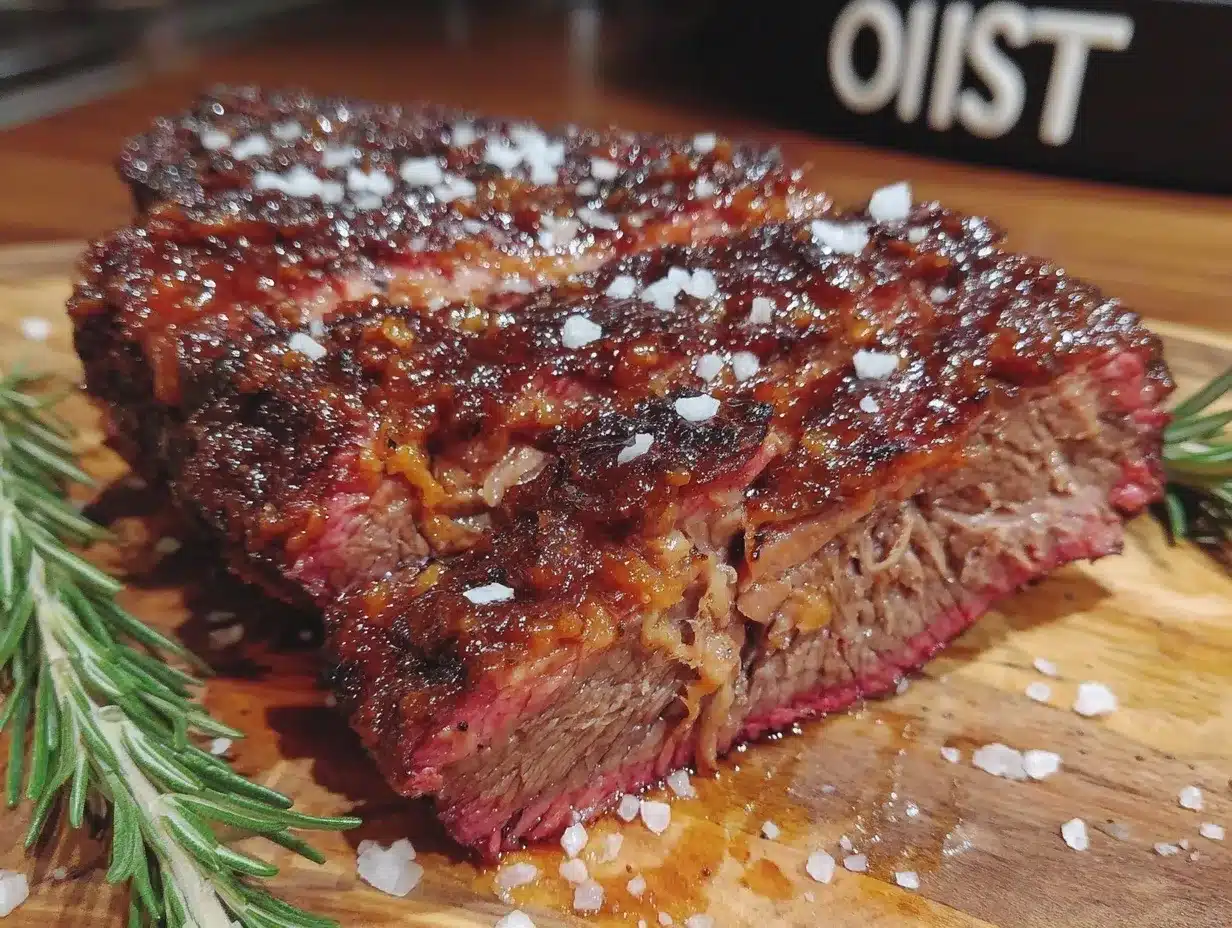
- Trim the Brisket: Remove excess fat, leaving about ¼ inch of fat cap to keep the meat juicy. Trim off any silver skin or hard fat pockets. (15 minutes)
- Prepare the Rub: Mix 1/4 cup kosher salt, 1/4 cup coarse black pepper, 1 tbsp smoked paprika, 1 tbsp garlic powder, 1 tbsp onion powder, 1 tbsp brown sugar, and 1 tsp cayenne pepper (optional). Stir well. (5 minutes)
- Apply Mustard Binder: Lightly coat the brisket all over with yellow mustard. It won’t taste like mustard but helps the rub stick and aids bark formation. (5 minutes)
- Apply the Rub: Generously rub the seasoning mix all over the brisket, pressing it in well, especially on the fat cap side. Don’t skimp here! (10 minutes)
- Preheat Smoker: Bring your smoker to a steady 225-250°F (107-121°C) using lump charcoal and your wood chunks. Maintain airflow for consistent smoke. (30 minutes)
- Smoke the Brisket: Place the brisket fat-side up on the smoker grate. Insert a probe thermometer into the thickest part of the meat. Smoke for about 6 hours, maintaining temperature and adding wood chunks every hour as needed. (6 hours)
- Wrap the Brisket: When the internal temp hits about 165°F (74°C), wrap the brisket tightly in butcher paper or foil. This helps push through the “stall” and keeps the bark intact. (5 minutes)
- Continue Smoking: Return the wrapped brisket to the smoker and cook until internal temp reaches 203°F (95°C). This usually takes another 3-4 hours. (3-4 hours)
- Rest the Brisket: Remove from smoker and let it rest wrapped for at least 1 hour to redistribute juices. (60 minutes)
- Slice and Serve: Slice against the grain in ¼ inch thick slices and serve with your favorite sides. (10 minutes)
Keep an eye on the smoker temperature—it’s the trickiest part. I remember once my fire died out after 5 hours, and I had to scramble adding coals back for almost half an hour. Using a good thermometer and plenty of fresh charcoal helps avoid that panic.
Cooking Tips & Techniques
Smoking a brisket is as much art as science. Here are some tips I picked up that might save you from rookie mistakes:
- Patience is key: Rushing the cook kills the bark and dries out the meat. Keep the smoker steady at low temperatures between 225-250°F.
- Don’t skip the mustard binder: It’s a secret weapon for bark texture, even though it sounds odd.
- Use butcher paper for wrapping: It lets the brisket breathe better than foil, preserving that crispy bark while still locking in moisture.
- Maintain consistent smoke: Avoid heavy smoke—it can make the brisket bitter. Thin, blue smoke is the goal.
- Rest is non-negotiable: Let the brisket rest at least an hour after cooking to let juices redistribute. Cutting too soon leads to dry meat.
One time I made the mistake of slicing too early—ended up with a dry brisket that no amount of sauce could rescue. Also, if your bark looks pale, don’t panic; it can darken during the rest period. And if you want to multitask during the long smoke, prepping sides like fluffy mini quiches or a refreshing champagne punch can keep your guests happy while the brisket works its magic.
Variations & Adaptations
While this recipe sticks to traditional Texas roots, here are some ways to customize it:
- Spice it up: Add a bit more cayenne or chipotle powder for a smoky heat twist.
- Low and slow in the oven: If you don’t have a smoker, you can replicate the slow cook at 225°F in your oven with liquid smoke added to the rub—but you’ll miss some authentic bark texture.
- Gluten-free: This recipe is naturally gluten-free, but double-check Worcestershire sauce if using injection.
- Smoked turkey breast: Use the same rub and smoking method on turkey for a leaner but still smoky option.
- Sweet glaze variation: Brush on a thin layer of molasses mixed with apple cider vinegar during the last hour for a sweet-savory bark.
One variation I tried was swapping out the post oak for pecan wood, which gave the brisket a slightly nuttier flavor. It’s a great way to adapt based on what wood is available locally.
Serving & Storage Suggestions
This Texas-style smoked brisket shines best served warm or at room temperature. Slice it thin against the grain and serve on a platter with classic BBQ sides like baked beans, pickles, or a crisp slaw. For a festive touch, I often pair it with a sparkling New Year’s sangria to balance the smoky richness.
Store leftover brisket wrapped tightly in foil in the refrigerator for up to 4 days. For longer storage, freeze sliced brisket in airtight containers for up to 3 months. When reheating, wrap the slices in foil with a splash of beef broth and warm gently in a low oven (around 250°F/120°C) to keep the meat moist.
Flavors actually deepen after a day or two in the fridge, making this a great make-ahead dish for BBQ gatherings. Just be sure to reheat gently to preserve that perfect bark texture.
Nutritional Information & Benefits
This smoked brisket offers a hearty source of protein with roughly 250 calories and 20 grams of protein per 4-ounce slice, depending on fat content. The brisket’s fat marbling helps keep it moist and flavorful, though trimming excess fat can reduce calories if desired.
Key ingredients like garlic and paprika add antioxidants, and using simple, natural seasonings keeps this recipe free from additives. For those on a low-carb or keto diet, this brisket fits perfectly as a satisfying main course.
Be mindful that brisket is high in fat, so moderation is key, especially if watching saturated fat intake. The recipe contains common allergens like mustard and Worcestershire sauce (which may contain anchovies), so adjust accordingly for allergies.
Conclusion
This flavorful Texas-style smoked brisket with perfect bark has become one of those recipes I keep coming back to — not just because it tastes incredible, but because it captures what BBQ is all about: patience, skill, and the joy of sharing good food. It’s a recipe that invites you to make it your own, whether you stick to tradition or add your personal spin.
Trust me, there’s nothing quite like pulling a brisket off the smoker with that crackly bark and tender inside. If you’re ready to try your hand at authentic Texas BBQ, this recipe will walk you through the process without overwhelming you. And hey, you might find yourself making it more often than you expected (I know I did).
Feel free to share how your brisket turns out or any tweaks you try—I love hearing from fellow BBQ fans. Now, fire up that smoker and let the magic happen!
Frequently Asked Questions
How long does it take to smoke a Texas-style brisket?
Typically, smoking a 10-12 pound brisket at 225-250°F takes around 9-10 hours, including resting time. It’s best to use a meat thermometer to check doneness rather than relying solely on time.
What wood is best for smoking brisket?
Post oak is the classic Texas choice, offering a mild, sweet smoke flavor. Hickory is another great option if you prefer a stronger smoke. Avoid heavy woods like mesquite if you want a more balanced flavor.
Why is the bark important on smoked brisket?
The bark is the flavorful crust formed by seasoning and smoke interaction during cooking. It adds texture and a concentrated smoky, spicy flavor that defines a great brisket.
Can I use a charcoal grill instead of a smoker?
Yes, you can set up a charcoal grill for indirect heat and add wood chips for smoke. It requires more attention to maintain temperature but can produce delicious results.
How should I slice brisket for serving?
Slice brisket thinly against the grain to ensure tenderness. The flat cut is easier to slice thin, while the point can be chopped or sliced thicker for more marbled bites.
Pin This Recipe!
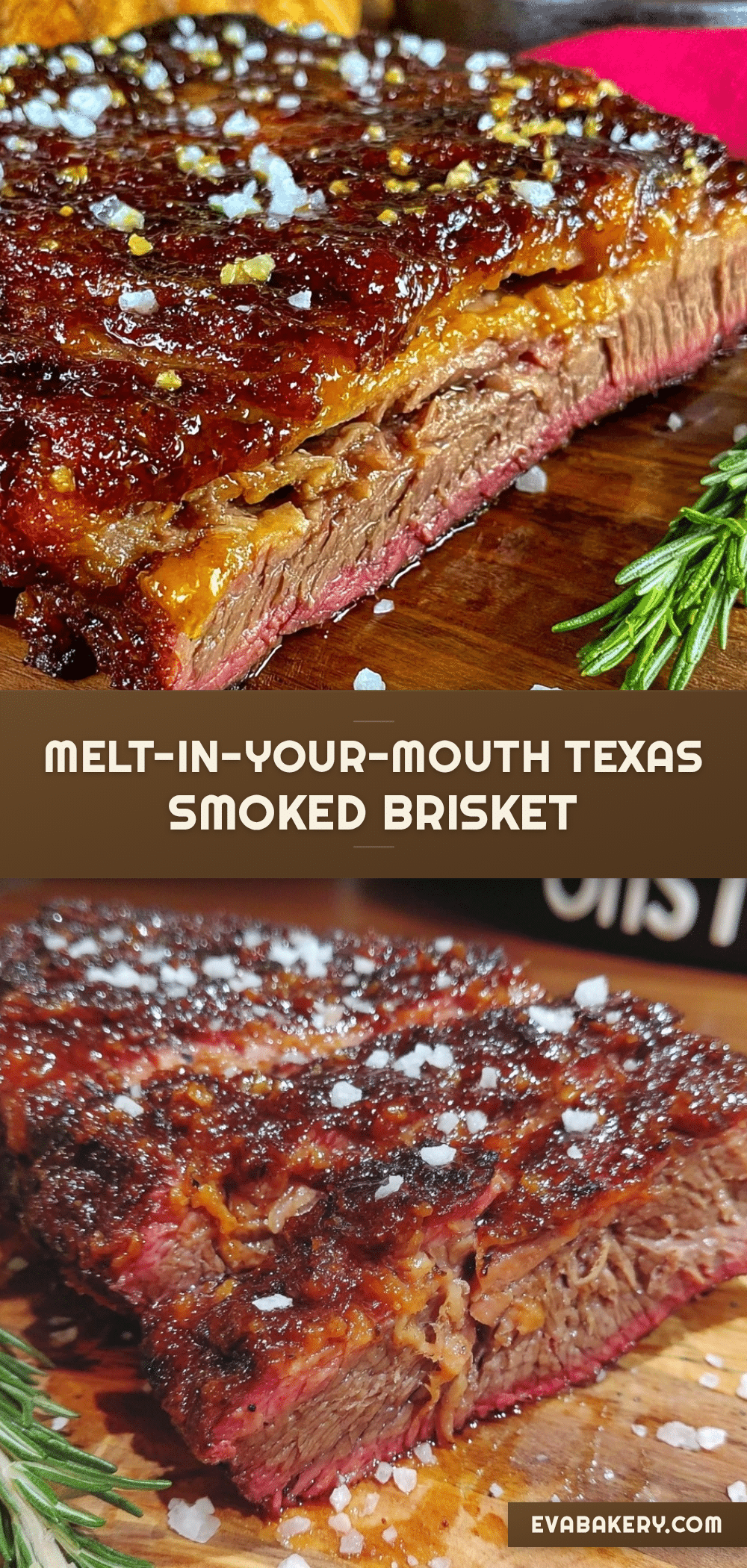
Texas-Style Smoked Brisket
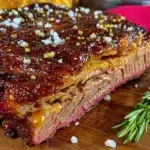
A flavorful Texas-style smoked brisket recipe that delivers tender, smoky meat with a perfect bark. This recipe simplifies the smoking process while preserving authentic Texas BBQ flavors.
- Prep Time: 35 minutes
- Cook Time: 9-10 hours
- Total Time: 9 hours 35 minutes to 10 hours 35 minutes
- Yield: 10-12 servings 1x
- Category: Main Course
- Cuisine: Texas BBQ
Ingredients
- 10–12 pounds whole packer brisket (includes both flat and point cuts), well-marbled
- 1/4 cup coarse kosher salt
- 1/4 cup coarse black pepper, freshly cracked
- 1 tbsp smoked paprika
- 1 tbsp garlic powder
- 1 tbsp onion powder
- 1 tbsp brown sugar
- 1 tsp cayenne pepper (optional)
- Post oak or hickory wood chips/chunks
- Beef broth mixed with a splash of Worcestershire sauce (optional injection)
- Yellow mustard (binder)
Instructions
- Trim the brisket: Remove excess fat, leaving about 1/4 inch of fat cap. Trim off any silver skin or hard fat pockets. (15 minutes)
- Prepare the rub: Mix kosher salt, black pepper, smoked paprika, garlic powder, onion powder, brown sugar, and cayenne pepper (optional). Stir well. (5 minutes)
- Apply mustard binder: Lightly coat the brisket all over with yellow mustard to help the rub stick and form bark. (5 minutes)
- Apply the rub: Generously rub the seasoning mix all over the brisket, pressing it in well, especially on the fat cap side. (10 minutes)
- Preheat smoker: Bring smoker to a steady 225-250°F using lump charcoal and wood chunks. Maintain airflow for consistent smoke. (30 minutes)
- Smoke the brisket: Place brisket fat-side up on smoker grate. Insert probe thermometer into thickest part. Smoke for about 6 hours, maintaining temperature and adding wood chunks hourly. (6 hours)
- Wrap the brisket: When internal temp hits about 165°F, wrap brisket tightly in butcher paper or foil to push through the stall and keep bark intact. (5 minutes)
- Continue smoking: Return wrapped brisket to smoker and cook until internal temp reaches 203°F. This takes another 3-4 hours. (3-4 hours)
- Rest the brisket: Remove from smoker and let rest wrapped for at least 1 hour to redistribute juices. (60 minutes)
- Slice and serve: Slice against the grain in 1/4 inch thick slices and serve with favorite sides. (10 minutes)
Notes
Maintain smoker temperature between 225-250°F for best results. Use butcher paper for wrapping to preserve bark texture better than foil. Rest brisket at least 1 hour after cooking to redistribute juices. Use a good digital meat thermometer to avoid temperature issues. For gluten-free, verify Worcestershire sauce ingredients. Variations include adding more cayenne or chipotle powder, using oven with liquid smoke, or sweet glaze with molasses and apple cider vinegar.
Nutrition
- Serving Size: 4-ounce slice
- Calories: 250
- Protein: 20
Keywords: Texas brisket, smoked brisket, BBQ brisket, smoked meat, Texas BBQ recipe, brisket bark, smoked beef, BBQ recipe, smoked brisket recipe