“You’ve got to try this one-pot pasta thing,” my coworker texted me last week, and honestly, I was skeptical. Pasta primavera sounded fancy, but the idea of tossing everything into one pot felt almost too good to be true. I pictured a mushy, flavorless mess. But that evening, after a chaotic day with back-to-back meetings and a fridge that was more “barely there” than stocked, I gave it a shot. What happened next was a surprise—bright, fresh veggies mingled perfectly with tender pasta, all cooked together without the usual pot juggling. It wasn’t just quick; it felt like a little reset, a splash of color and calm on a hectic night.
The smell of garlic and sweet spring peas simmering alongside cherry tomatoes and ribbons of zucchini filled the kitchen and pulled me away from my screen. That night, I realized this easy one-pot pasta primavera with fresh veggies wasn’t just a busy cook’s shortcut. It was a recipe that made simple ingredients shine, no fuss or fancy gear needed. I’ve made it nearly every week since—sometimes swapping veggies based on what’s fresh or what’s hiding in my crisper drawer. It’s honest food, with no complicated steps, just comfort and color in one pot.
There’s something quietly satisfying about stirring a pot and knowing dinner is practically done. No extra pans, no stress—just a bowl of fresh, vibrant pasta primavera that tastes like it took more time and effort than it did. It’s a recipe that stuck with me because it’s reliable, wholesome, and honestly, a little bit joyful when the day feels anything but. So if you want a quick, fresh, and forgiving dinner option that doesn’t skimp on flavor, this one-pot pasta primavera might just be the answer.
Why You’ll Love This Recipe
After testing countless pasta dishes in a busy kitchen, I can confidently say this easy one-pot pasta primavera with fresh veggies hits the sweet spot between convenience and taste. Here’s why it’s become a staple in my meal rotation:
- Quick & Easy: Ready in about 30 minutes, this recipe is perfect for busy weeknights or when you need a fast, wholesome meal.
- Simple Ingredients: No need to hunt down exotic items—most of these are pantry staples or common fresh veggies you probably already have.
- Perfect for Any Occasion: Whether it’s a casual dinner or a light lunch, this pasta primavera works beautifully, and it’s great for entertaining when time is tight.
- Crowd-Pleaser: The fresh veggies and tender pasta combo always gets nods of approval, even from picky eaters.
- Unbelievably Delicious: The magic lies in the one-pot cooking method, which lets the noodles soak up all the flavors from garlic, herbs, and fresh veggies—resulting in a satisfying, soul-soothing dish.
What sets this version apart? Instead of the usual separate boiling and sautéing steps, everything goes into the pot together, making cleanup a breeze. The secret is the timing and layering of ingredients, which creates a balance of textures—crispy-tender veggies and perfectly al dente pasta. Also, using fresh herbs and a splash of lemon juice at the end brightens up the dish, making it feel fresh and lively rather than heavy.
Honestly, it’s the kind of recipe that makes you close your eyes after the first bite and think, “Yep, this is a keeper.” Plus, it pairs wonderfully with a light, bubbly drink—like the refreshing champagne punch I love for casual gatherings. It’s comfort food that feels fresh, fuss-free, and just right.
What Ingredients You Will Need
This easy one-pot pasta primavera recipe uses simple, wholesome ingredients to bring bold flavors and vibrant colors to your plate. Most are pantry staples or fresh veggies that are easy to swap based on the season or what you have around.
- Pasta: 12 oz (340 g) of dried linguine or spaghetti (I prefer Barilla for consistent texture)
- Vegetables:
- 1 cup (150 g) cherry tomatoes, halved (fresh or frozen works)
- 1 cup (130 g) fresh or frozen peas
- 1 medium zucchini, sliced into thin half-moons
- 1 red bell pepper, thinly sliced
- 1 small yellow onion, thinly sliced
- 2 cloves garlic, minced (adds that aromatic punch)
- Liquid Base: 4 cups (960 ml) vegetable broth or water (vegetable broth adds more flavor)
- Olive oil: 2 tablespoons (for a silky finish)
- Fresh herbs: 1/4 cup chopped fresh basil or parsley (brightens the dish)
- Seasoning: Salt and freshly ground black pepper to taste
- Lemon juice: Juice of half a lemon (optional but highly recommended for brightness)
- Parmesan cheese: 1/3 cup grated, for serving (optional, but adds richness)
If you want to swap ingredients, here are some quick tips:
- Use gluten-free pasta for a gluten-free option.
- Swap peas with asparagus tips or green beans in spring and summer.
- For dairy-free, skip the Parmesan or try nutritional yeast for a cheesy flavor.
- Frozen veggies work just fine if fresh isn’t available—just don’t thaw beforehand.
Equipment Needed
- Large deep skillet or wide pot with a lid (at least 12-inch/30 cm diameter) – this is where all the magic happens.
- Sharp knife and cutting board for prepping veggies.
- Measuring cups and spoons for precise liquid and seasoning amounts.
- Wooden spoon or heat-resistant spatula for stirring.
- Optional: Microplane or grater if you’re adding fresh Parmesan cheese.
If you don’t have a large skillet, a wide Dutch oven works well, too. I’ve even made this in a large sauté pan with higher sides—just keep an eye on the liquid level to prevent sticking. A non-stick pan helps, but isn’t necessary; just stir often. For budget-friendly options, any mid-sized pot you have will do, as long as it can hold the pasta and veggies comfortably.
Preparation Method
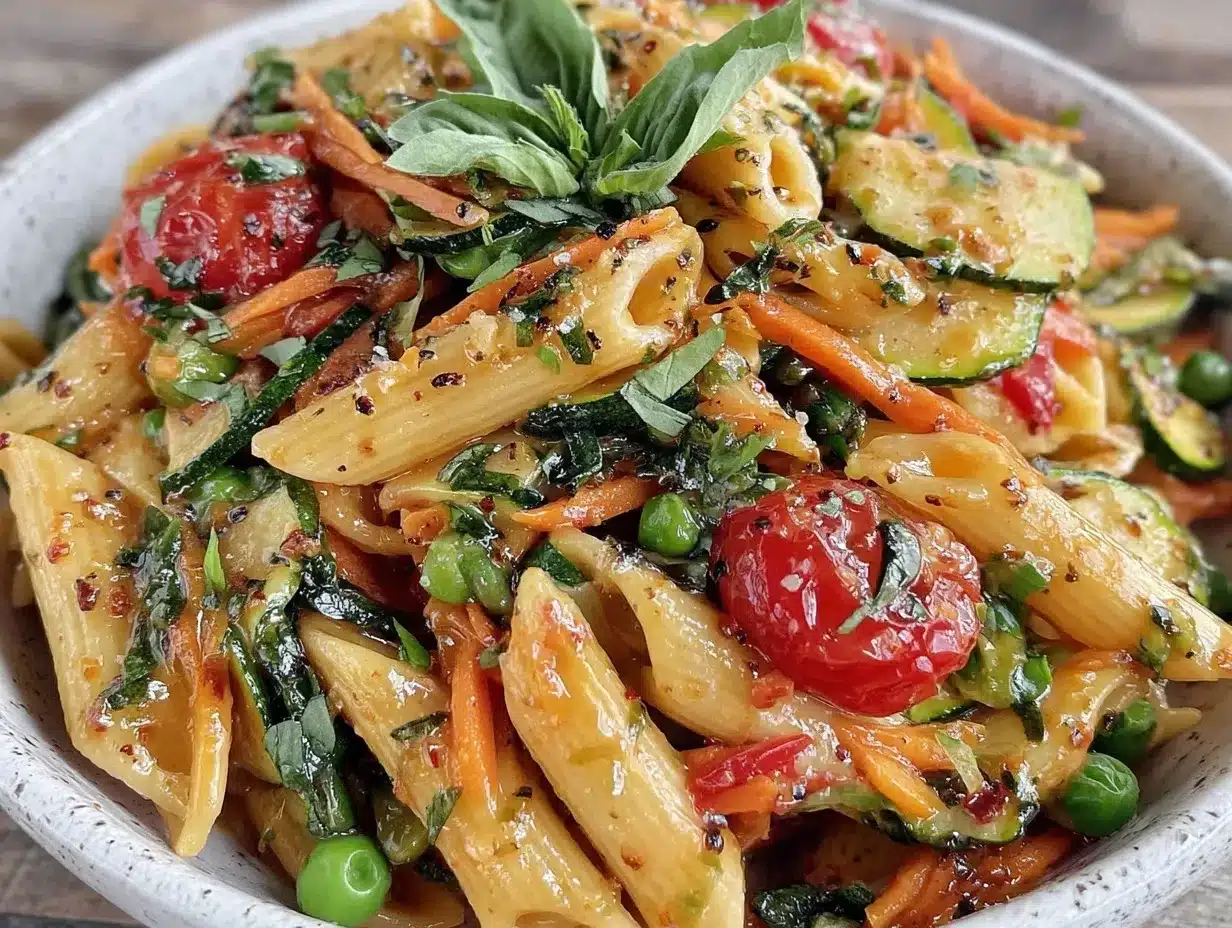
- Prep your vegetables: Rinse and slice cherry tomatoes, zucchini, bell pepper, and onion as described. Mince the garlic. Having everything ready before you start cooking makes the process smoother. (Prep time: 10 minutes)
- Heat the olive oil: Place your skillet or pot over medium heat and add 2 tablespoons of olive oil. Once shimmering, add the sliced onion and garlic. Sauté for about 2-3 minutes until fragrant and translucent, but not browned. This builds the flavor base.
- Add the veggies: Toss in the bell pepper and zucchini. Stir for another 3 minutes to soften slightly. This step keeps veggies crisp-tender.
- Pour in the pasta and liquid: Add the dry pasta, then pour in 4 cups (960 ml) of vegetable broth or water. Make sure the pasta is mostly submerged. This is key for cooking everything evenly.
- Add peas and tomatoes: Scatter the peas and halved cherry tomatoes on top, but don’t stir just yet. Season with salt and pepper (about 1 teaspoon salt and ½ teaspoon pepper). This layering helps prevent mushiness.
- Cook with lid on: Bring the mixture to a boil, then reduce to medium-low heat. Cover loosely with the lid and simmer for about 12-15 minutes, stirring occasionally to prevent sticking. The pasta will absorb the liquid, and the veggies will cook perfectly alongside it.
- Check for doneness: Taste the pasta—look for al dente texture and tender veggies. If the liquid is absorbed but pasta is still firm, add ½ cup (120 ml) more broth or water and continue cooking a few minutes.
- Finish with herbs and lemon: Once cooked, remove from heat. Stir in chopped fresh basil or parsley and the juice of half a lemon. This adds a fresh zing that balances the richness.
- Serve and garnish: Plate the pasta primavera, then sprinkle with grated Parmesan cheese if desired. A drizzle of extra virgin olive oil on top can add silkiness and shine.
Pro tip: Stir gently but regularly during cooking to keep noodles from sticking and to distribute flavors. The pot’s heat can be tricky, so adjust to avoid burning the bottom. If you accidentally overcook, a splash of broth and a quick stir can revive texture.
Cooking Tips & Techniques
One-pot pasta dishes can be unpredictable, but a few tricks make this pasta primavera a reliable crowd-pleaser every time:
- Choose the right pasta: Long, thin pasta like linguine or spaghetti works best because it cooks evenly in liquid. Avoid very thick or stuffed pasta here.
- Don’t overfill the pot: Give the pasta room to move so it cooks evenly. Too crowded means uneven texture.
- Layer ingredients thoughtfully: Adding delicate veggies like tomatoes and peas later prevents them from turning to mush.
- Watch your liquid: This recipe depends on the pasta absorbing broth. If it looks dry too soon, add more slowly—not all at once.
- Fresh herbs matter: Adding herbs at the end keeps their flavor bright. Cooking them too long dulls the freshness.
- Timing is flexible: This dish holds well for a few minutes off heat, so don’t stress if dinner runs late. Just cover to keep warm.
My first attempt was a bit too soggy—I learned that quick stirring and careful liquid monitoring are key. Now I aim for a lightly saucy, not soupy, finish that coats the pasta just right. Also, lemon juice at the end is a small step that makes a huge difference in lifting the flavors.
Variations & Adaptations
This easy one-pot pasta primavera is incredibly adaptable, so feel free to put your spin on it depending on dietary needs or what’s in season:
- Protein boost: Add cooked chicken, shrimp, or cannellini beans for a heartier meal.
- Vegan version: Skip the Parmesan or use a plant-based cheese alternative. Nutritional yeast sprinkled on top works nicely too.
- Seasonal swaps: In summer, toss in fresh corn kernels and fresh basil; in fall, try roasted butternut squash cubes and sage instead of zucchini and basil.
- Low-carb option: Substitute spiralized zucchini noodles for pasta, adding them in the last 3-4 minutes to avoid mushiness.
- Spicy kick: Add red pepper flakes when sautéing the garlic or finish with a drizzle of chili oil.
Personally, I once tried this with a handful of sautéed mushrooms and garlic scapes from the farmer’s market—it was an earthy twist that gave the dish a little extra oomph without complicating the process.
Serving & Storage Suggestions
This pasta primavera is best served warm, straight from the pot, so the veggies are vibrant and the pasta is perfectly tender. I like to garnish with extra fresh herbs and a sprinkle of Parmesan for a little indulgence.
It pairs beautifully with a crisp white wine or a bubbly non-alcoholic spritzer—something light to complement the fresh veggies. For a light appetizer, I sometimes serve it alongside crispy prosciutto-wrapped asparagus bites, which contrast nicely with the pasta’s softness.
Leftovers keep well in the fridge for up to 3 days in an airtight container. When reheating, add a splash of broth or water and warm gently on the stove or microwave to revive the texture. Flavors actually deepen after a day, so it’s a great make-ahead meal for busy days.
Nutritional Information & Benefits
This easy one-pot pasta primavera is a balanced meal full of fiber, vitamins, and minerals thanks to its fresh veggies and whole ingredients. Here’s a rough estimate per serving (makes 4 servings):
| Calories | 350–400 kcal |
|---|---|
| Carbohydrates | 60 g |
| Protein | 10 g |
| Fat | 8 g (mostly healthy olive oil) |
| Fiber | 6 g |
Key benefits come from the fresh veggies—zucchini and bell peppers offer antioxidants and vitamin C, peas bring plant-based protein and fiber, and tomatoes add lycopene, a powerful antioxidant. Using olive oil instead of butter keeps the fat heart-healthy. For gluten-free diets, simply swap in your favorite gluten-free pasta.
As someone who tries to balance convenience with nutrition, this recipe feels like a win: it’s light but filling and supports a healthy lifestyle without being complicated.
Conclusion
There’s something genuinely satisfying about an easy one-pot pasta primavera with fresh veggies that comes together so effortlessly yet tastes like you spent much more time on it. It’s a recipe that fits into busy schedules, honors fresh produce, and keeps things light but delicious. I love how forgiving it is—whether I toss in whatever veggies are left in the fridge or make it exactly as written, it always turns out comforting and fresh.
Feel free to tweak it to match your mood or pantry. Maybe you’ll add a little protein or a spicy twist, or stick to the classic fresh herb finish. Either way, it’s a recipe I keep returning to for a quick, wholesome meal that’s anything but boring.
If you give it a try, I’d love to hear how you make it your own—drop a comment or share your variations. And when you want to round out the meal with something light and elegant, the fluffy mini quiches are a perfect match for a brunch or light dinner spread.
FAQs About Easy One-Pot Pasta Primavera
Can I use frozen vegetables in this recipe?
Absolutely! Frozen peas and cherry tomatoes work well without thawing first. Just add them as instructed, and they’ll cook right in with the pasta.
What if I don’t have vegetable broth?
Water works fine if you don’t have broth, though the dish will be a bit less flavorful. You can boost flavor by adding a pinch of bouillon powder or extra herbs.
How do I avoid mushy vegetables?
Layer veggies carefully and add delicate ones like tomatoes last. Don’t overcook—keep an eye on timing and test for doneness often.
Can I make this recipe vegan?
Yes! Skip the Parmesan or use a vegan cheese alternative or nutritional yeast for a cheesy flavor.
What’s a good side dish to serve with this pasta primavera?
A crisp salad or light appetizer like crispy prosciutto-wrapped asparagus bites pairs beautifully for a balanced meal.
Pin This Recipe!
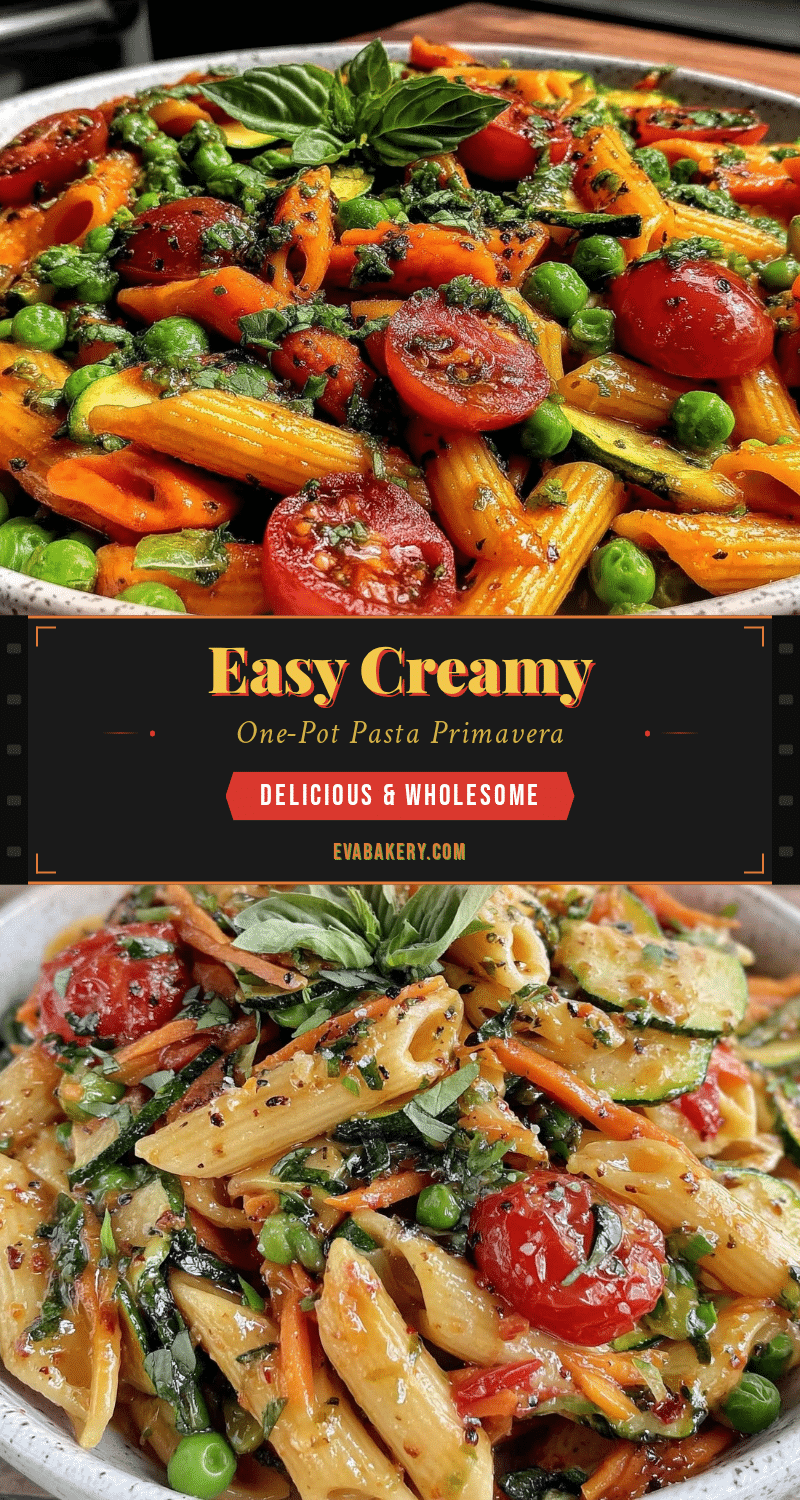
Easy One-Pot Pasta Primavera Recipe with Fresh Veggies for Quick Healthy Meals
A quick and wholesome one-pot pasta primavera featuring fresh vegetables, perfect for busy weeknights. This recipe combines tender pasta with vibrant veggies and fresh herbs for a flavorful, fuss-free meal.
- Prep Time: 10 minutes
- Cook Time: 20 minutes
- Total Time: 30 minutes
- Yield: 4 servings 1x
- Category: Main Course
- Cuisine: Italian
Ingredients
- 12 oz dried linguine or spaghetti
- 1 cup cherry tomatoes, halved (fresh or frozen)
- 1 cup fresh or frozen peas
- 1 medium zucchini, sliced into thin half-moons
- 1 red bell pepper, thinly sliced
- 1 small yellow onion, thinly sliced
- 2 cloves garlic, minced
- 4 cups vegetable broth or water
- 2 tablespoons olive oil
- 1/4 cup chopped fresh basil or parsley
- Salt and freshly ground black pepper to taste
- Juice of half a lemon (optional)
- 1/3 cup grated Parmesan cheese (optional)
Instructions
- Prep your vegetables: rinse and slice cherry tomatoes, zucchini, bell pepper, and onion as described. Mince the garlic.
- Heat the olive oil in a large deep skillet or wide pot over medium heat. Add sliced onion and garlic and sauté for 2-3 minutes until fragrant and translucent.
- Add the bell pepper and zucchini to the pot and stir for another 3 minutes to soften slightly.
- Add the dry pasta to the pot, then pour in 4 cups of vegetable broth or water, ensuring the pasta is mostly submerged.
- Scatter the peas and halved cherry tomatoes on top without stirring. Season with salt (about 1 teaspoon) and pepper (about ½ teaspoon).
- Bring the mixture to a boil, then reduce heat to medium-low. Cover loosely with a lid and simmer for 12-15 minutes, stirring occasionally to prevent sticking.
- Check pasta for doneness; if still firm and liquid is absorbed, add ½ cup more broth or water and continue cooking a few more minutes.
- Remove from heat and stir in chopped fresh basil or parsley and juice of half a lemon.
- Serve the pasta primavera plated, garnished with grated Parmesan cheese if desired and a drizzle of extra virgin olive oil.
Notes
Stir gently but regularly during cooking to prevent noodles from sticking and to distribute flavors evenly. Adjust heat to avoid burning the bottom. If overcooked, add a splash of broth and stir to revive texture. Use gluten-free pasta for gluten-free option. For dairy-free, omit Parmesan or use nutritional yeast.
Nutrition
- Serving Size: 1 serving (approxima
- Calories: 350400
- Sugar: 6
- Sodium: 600
- Fat: 8
- Saturated Fat: 1
- Carbohydrates: 60
- Fiber: 6
- Protein: 10
Keywords: one-pot pasta, pasta primavera, quick dinner, healthy meals, fresh vegetables, easy pasta recipe, vegetarian pasta, weeknight dinner